
Frequently Asked Questions
Learn more about professional esthetics with our frequently asked questions related to Esi Show attendees. Buying guide, career paths, beauty trends, regulations & more.
Below are some common frequently asked questions designed specifically for ESI Show B2B attendees, exhibitors & partners.



- Acne, Aging & Skin Concerns
- Beauty Trends & Industry Innovations
- Career Paths in Esthetics & Beauty Industry
- Equipment & Technology Buying Guide
- ESI Show
- Hygiene, Safety & Regulations
- Medical Esthetics & Advanced Technologies
- Professional Skincare Treatments
- Skin Types & Skin Conditions
- Skincare Ingredients & Formulation Science
- Spa & Clinic Business
Technical expertise alone does not guarantee a successful spa or clinic. Owners must also manage finances, employees, scheduling, inventory, marketing, client retention and investments. Strong business management allows professional expertise to translate into a sustainable and profitable operation.
Revenue is only one indicator. Owners should also monitor treatment margins, retail sales, payroll, operating expenses, average transaction value, rebooking, client retention, room utilization and equipment utilization. Together, these numbers provide a much clearer picture of business performance.
A business can generate impressive revenue while producing relatively little profit. Labour, products, equipment, rent, marketing and other expenses must all be considered. Owners should understand what remains after the actual cost of delivering their services.
Calculate the revenue generated by each treatment and subtract its direct costs, including products, consumables and practitioner time. Room occupancy and equipment costs can also be considered. Comparing treatments this way can reveal which services contribute most effectively to the business.
An empty treatment room represents unused revenue potential, while an overbooked room may indicate an opportunity for expansion. Measuring utilization helps owners make better decisions about scheduling, staffing, operating hours and future investments.
Average transaction value represents the average amount spent during a client visit. It can include treatments, upgrades and retail purchases. Monitoring this number helps businesses understand whether growth is coming from more clients or from creating greater value within existing client relationships.
Acquiring new clients requires time and marketing investment. Retaining appropriate existing clients can create more predictable revenue and stronger long-term relationships. Retention data can also reveal problems with service quality, follow-up or the overall client experience.
The next appointment should be connected to the professional treatment plan rather than treated as a generic sales request. When clients understand why another appointment is recommended and when it should occur, rebooking becomes a natural extension of professional consultation.
Existing clients may represent significant opportunities through appropriate rebooking, treatment programs, complementary services and professional home-care recommendations. Increasing the value and longevity of existing client relationships can be as important as acquiring new ones.
Some services may become less relevant, less profitable or unnecessarily complicated over time. A periodic review can identify opportunities to simplify the menu, adjust pricing, introduce new treatments or eliminate services that no longer support the business strategy.
Pricing should consider labour, products, consumables, equipment, room occupancy, overhead and desired margin. Market positioning and local competition also matter, but pricing should ultimately reflect the economics of the individual business.
Competitors may have different rent, payroll, equipment, volumes and operating models. Matching their prices without understanding your own costs can result in services that generate insufficient margins.
Pricing should be reviewed periodically as costs, salaries, products and market conditions evolve. Owners do not necessarily need to change prices every time a cost increases, but they should understand how those increases are affecting margins.
Clear communication and consistency are important. Businesses should avoid apologizing excessively for pricing that reflects the professional value and cost of their services. Clients should continue to understand the expertise, quality and experience behind what they are purchasing.
Not necessarily. Certain services may contribute strategically through client acquisition, recurring visits or complementary retail sales. However, owners should understand the margin of each service so lower profitability is a deliberate business decision rather than an unnoticed problem.
Packages can encourage clients to commit to structured treatment programs and create more predictable revenue. They should be designed around genuine professional treatment objectives rather than simply bundling appointments for promotional purposes.
Frequency of use, included services, discounts, capacity and profitability should all be calculated carefully. Memberships can strengthen recurring revenue, but poorly designed programs may create excessive obligations or reduce margins.
Not necessarily. Loyalty can be built through expertise, results, service, convenience and professional relationships. Constant discounting may condition clients to wait for promotions and can weaken both margins and brand positioning.
Every promotion should have an objective, such as introducing a new service, filling specific appointment periods or generating trial. The business should calculate the financial impact before launching the offer and measure the results afterward.
A promotion can generate appointments without generating profitable business. Tracking revenue, new clients, repeat visits, retail sales and margins helps determine whether the promotion actually created long-term value.
Employees directly influence treatment quality, client experience, retail performance and reputation. Strong management provides clear expectations, training, communication and opportunities for professional development.
Technical skills are important, but attitude, communication, professionalism, reliability and willingness to learn should also be considered. Skills can often be developed through training, while poor professional behaviour can be much more difficult to change.
Compensation matters, but so do leadership, scheduling, workplace culture, education and opportunities for advancement. Employees are more likely to remain when they understand expectations and can see a future within the organization.
Education improves technical knowledge while helping employees adapt to new products, technologies and protocols. It can also support professional engagement and create opportunities for team members to develop specialties.
Consider aptitude, interest, existing qualifications and the needs of the business. Training investments should ideally create value for both the professional and the establishment rather than being assigned without a clear development plan.
Identify areas where both client demand and employee interest exist. Advanced education, mentoring and practical experience can then help individual practitioners develop deeper expertise that strengthens the clinic’s overall offering.
Standardization creates a common quality framework and helps ensure clients receive a consistent level of service. Individual professional judgment remains important, but core procedures, documentation and service expectations should be clearly defined.
Performance should not be evaluated exclusively through total sales. Client retention, rebooking, productivity, retail performance, professionalism, teamwork and treatment quality may all provide useful indicators depending on the employee’s role.
Professional recommendations are part of comprehensive skincare service. The objective should not be aggressive selling, but helping clients understand which home-care products complement their treatments. Education and consultation skills can make this process more natural.
Reception is often the first and last point of contact with the client. Staff should understand services sufficiently to manage appointments, answer basic questions and direct clients appropriately. Their role can significantly influence the overall client experience.
Differentiation can come from specialization, expertise, service, technology, atmosphere, consultation or a distinctive combination of these elements. Simply offering the same treatments as nearby competitors makes differentiation much more difficult.
Both models can succeed, but specialization can create stronger professional positioning. Businesses should consider their clientele, competition and expertise before deciding whether breadth or depth provides the greater advantage.
Positioning helps clients understand what the business represents and why they should choose it. It also guides decisions about services, products, pricing, technologies, marketing and even the type of professionals the business recruits.
Review the clients who currently generate strong professional relationships and fit the services the clinic wants to develop. Demographics can be useful, but needs, expectations, purchasing behaviour and treatment interests often provide more actionable information.
A strong consultation demonstrates expertise before the treatment begins. Professionals who listen carefully, explain their observations and create clear recommendations can differentiate themselves from businesses focused primarily on completing individual services.
Both matter. Professional expertise may attract clients, but communication, punctuality, comfort, follow-up and consistency influence whether they return. The complete client journey should therefore be managed with the same attention as the treatment itself.
Feedback should be analyzed for recurring patterns rather than treated only as individual compliments or complaints. Repeated comments about scheduling, communication, treatments or facilities can reveal opportunities for operational improvement.
Potential clients frequently research businesses before booking. Reviews, recommendations and professional reputation can therefore influence acquisition significantly. Consistently delivering a strong experience remains one of the most effective foundations for reputation management.
Social media can demonstrate expertise, introduce professionals, explain services and educate potential clients. Content should reflect the establishment’s professional positioning rather than relying exclusively on promotions and trends.
Marketing can create demand, but operations must be able to deliver on the promise. Promoting a treatment without adequate staffing, inventory, training or appointment capacity can create a poor client experience rather than business growth.
The decision should be based on client demand, strategic fit and financial projections. Owners should calculate acquisition costs, operating expenses, treatment pricing and realistic utilization before committing to an investment.
Expansion may make sense when existing capacity is consistently being used and demand cannot be accommodated efficiently. Revenue alone should not drive the decision; profitability, staffing, cash flow and operational stability should also be considered.
Strong suppliers can provide more than products or equipment. Education, training, technical support, market knowledge, merchandising and business resources can all contribute to the success of the professional account.
Business needs change, and supplier performance can change as well. Pricing, service, availability, education and support should periodically be reviewed to ensure each supplier relationship continues to provide value.
Networking allows owners and professionals to exchange ideas, identify trends, discover suppliers and develop collaborations. It can also provide perspective by exposing professionals to how other businesses are addressing similar challenges.
Because many decisions made at ESI Show extend beyond treatment technique. Owners can investigate equipment investments, professional brands, supplier agreements, education, retail opportunities and business solutions while meeting the companies behind them directly.
Identify the business priorities before attending. These might include replacing equipment, finding a skincare line, improving retail, researching technologies or identifying staff education. A focused agenda helps transform the show from general browsing into productive business research.
Managers can identify education relevant to different employees and allow team members to explore areas of specialization. Attending together can also generate discussions about new protocols, technologies and ideas that can be evaluated after the show.
Review exhibitors in advance and prioritize meetings according to specific purchasing objectives. Prepare comparable questions about pricing, margins, minimum orders, training, warranties, consumables and support, while leaving some time to discover suppliers and innovations that were not originally on the agenda.
Because professional beauty is ultimately both a practice and a business.
Ingredient knowledge helps professionals understand the logic behind the products they use and recommend. Rather than relying exclusively on marketing claims, professionals can consider an ingredient’s function, its place within a formulation and its relevance to a treatment objective. This knowledge strengthens both product selection and client consultation.
Because a cosmetic product functions as a complete formulation. Concentration, pH, stability, delivery system, texture and interactions between ingredients can all influence the finished product. The presence of a popular active ingredient alone does not determine the quality or suitability of a formulation.
It helps to recognize major ingredient families and their functions, including humectants, emollients, surfactants, antioxidants, exfoliating ingredients and preservatives. Professionals do not need to memorize every ingredient name, but should understand enough formulation terminology to evaluate products and ask manufacturers informed questions.
No. An ingredient list provides useful information, but generally does not reveal exact concentrations, manufacturing processes, stability or the performance of the finished formulation. INCI should therefore be considered one component of a broader professional product evaluation.
The same ingredient can be incorporated at different levels depending on the formulation and intended application. However, a higher concentration does not automatically mean better performance. Tolerance, stability, formulation and the intended use of the product must also be considered.
No. Some ingredients are designed to perform effectively within specific concentration ranges. Increasing concentration may sometimes increase irritation without providing a proportional improvement in results. Professionals should avoid assuming that stronger automatically means better.
For certain ingredients and formulations, pH can influence stability, activity and skin tolerance. It can become particularly relevant when evaluating exfoliating products and other active formulations. Understanding pH helps professionals make more informed comparisons between products.
Because their complete formulations may be very different. Concentration, delivery system, pH, texture, complementary ingredients and stability can all affect how a product is used and performs. Comparing only the featured ingredient provides an incomplete picture.
They should ask what evidence supports the claim. This may include ingredient research, testing of the finished formulation, instrumental measurements or clinical evaluations. Professionals should also distinguish between evidence concerning an individual ingredient and evidence specifically supporting the finished product.
Ask why particular active ingredients were selected, how they are formulated, what supports the product claims and how the products are intended to fit into professional protocols. A professional brand should be prepared to provide more than consumer-oriented marketing language.
Humectants are commonly incorporated into formulations to help attract and retain water in the superficial layers of the skin. They can play an important role in professional hydration strategies. Their value should still be considered within the context of the complete formulation and the skin condition being addressed.
Emollients can contribute to softness, flexibility and overall skin comfort. Different emollients can also influence texture and the sensory experience of a formulation. Professionals should therefore consider both treatment objectives and client preferences when selecting products.
Occlusive ingredients can help reduce water loss by creating a barrier at the skin’s surface. Their suitability depends on the formulation, skin condition and intended use. Professionals should avoid assuming that all occlusive ingredients are automatically too heavy or inappropriate for certain skin types.
Ceramides are associated with skin-barrier function and are commonly incorporated into products designed to support skin comfort and barrier care. Their growing presence in professional skincare reflects the industry’s increasing focus on barrier-conscious treatment protocols.
Its properties make it a widely used ingredient in hydrating formulations. However, the words “hyaluronic acid” alone do not indicate the overall quality of a product. Professionals should evaluate the complete formulation and its intended role within a skincare protocol.
Brands may use different forms or molecular weights of hyaluronic acid within a formulation. Professionals should ask what formulation objective these variations serve and what supports the claimed benefits rather than automatically assuming that more forms mean greater effectiveness.
Because an ingredient does not need to be new to be valuable. Glycerin remains widely used in hydrating formulations. It is a good reminder that established ingredients and well-designed formulations may sometimes be more useful than products built primarily around the latest trend.
They may be particularly relevant when the skin presents dryness, discomfort or reduced tolerance. Barrier-support products can also complement more active treatment programs. Selection should be based on the skin’s current condition and the other treatments being performed.
The industry is placing greater emphasis on hydration, tolerance, comfort and overall skin balance. This has influenced ingredient selection and the development of professional protocols that consider barrier condition alongside corrective treatment objectives.
By examining what the product actually contains, how it is formulated and what evidence supports its claims. As terminology becomes popular, it can quickly appear across many products. Professionals should continue evaluating the formulation rather than relying on the marketing phrase alone.
Because different acids, concentrations, pH levels and formulations can produce different treatment characteristics. They may also appear in both home-care products and professional treatments at very different levels. Appropriate knowledge and training are therefore essential.
They should consider the characteristics of each acid, the formulation, intended treatment objective and desired level of tolerance. The choice should be based on the professional protocol rather than simply selecting whichever acid is currently most popular.
Client concerns, phototype, sensitivity, previous treatments and desired treatment intensity should all be considered. Professionals should also evaluate the manufacturer’s education, protocols and recommended pre- and post-treatment care.
Because cumulative intensity matters. Professionals should consider both in-clinic treatments and the active products clients use at home. Combining several exfoliating products or procedures without a clear rationale can create unnecessary treatment intensity.
Different vitamin A derivatives and formulations can have different characteristics and are not necessarily interchangeable. Professionals should understand the products they recommend, how clients use them and how they may interact with professional treatment schedules.
Because home-care products can influence sensitivity and treatment planning. Knowing which active ingredients are being used helps professionals identify potential conflicts and appropriately coordinate professional treatments with the client’s routine.
Vitamin C is commonly incorporated into products associated with antioxidant care and improved appearance of skin tone and radiance. Different forms can have different formulation characteristics, making it important to evaluate the finished product rather than simply looking for “vitamin C” on the label.
Stability, concentration, formulation and product environment are among the factors to consider. A professional brand should be able to explain why a particular form was selected and how it is intended to function within the formulation and treatment protocol.
Its versatility has contributed to its use across many different product categories. As with any popular ingredient, however, its presence does not automatically determine product quality. Concentration, formulation and intended use still need to be considered.
By returning to a fundamental question: What role does this formulation need to play in my professional protocol? A professional skincare assortment should be built around client needs rather than a constantly changing list of ingredients popular on social media.
Antioxidants are incorporated into many formulations to support different cosmetic objectives, including helping address environmental factors affecting the appearance of the skin. Their performance depends on the specific ingredient, formulation and stability, making evaluation of the finished product important.
An ingredient can be promising but challenging to maintain in a finished formulation. Exposure to air, light, temperature and interactions with other ingredients can affect stability. This is one reason formulation technology matters as much as the list of featured actives.
Yes. Certain ingredients may be sensitive to air, light or contamination. Packaging can therefore play a functional role in protecting the formulation during storage and use. Professionals should consider packaging as more than a branding or design element.
Peptides represent a broad category of ingredients that can be incorporated into formulations for different cosmetic objectives. Professionals should avoid treating the word “peptide” as a guarantee of performance and instead ask which peptides are used, why they were selected and how they are formulated.
With informed professional scrutiny. Products within these categories can differ considerably in formulation and claims. Professionals should ask manufacturers what their products contain, what supports the claims and how they are intended to be used.
Biotechnology can provide new methods of developing or producing ingredients with specific characteristics. For professionals, however, the important question remains whether the resulting formulation provides meaningful value—not simply whether the ingredient can be described as technologically advanced.
Ask what is genuinely different. Improved stability, delivery, formulation characteristics or another measurable advantage may represent meaningful innovation. In other cases, new terminology may primarily represent a marketing distinction.
Interest in the skin microbiome is influencing new formulations and professional discussions surrounding skin balance. Because the science continues to evolve, professionals should approach broad claims carefully and evaluate what individual brands actually mean when they use microbiome-related terminology.
These terms should not automatically be treated as interchangeable. Formulations may use very different ingredients and approaches. Professionals should ask exactly what the product contains, why those ingredients are being used and what supports the benefits being claimed.
Research into ingredients, delivery systems, stability and consumer needs continues to progress. This creates new possibilities for professional skincare while also making continuing education increasingly important for professionals responsible for selecting and recommending products.
Begin with the needs of the clientele. Then compare formulations, protocols, treatment objectives, cost per service, retail products, education and supplier support. There is not necessarily one universally superior philosophy; compatibility with the professional practice is what matters.
Look beyond the price of individual products. Consider cost per treatment, minimum orders, professional sizes, retail margins, shipping, testers, samples and inventory requirements. A more expensive product can sometimes offer better commercial value depending on how it is used.
Because it helps professionals understand why they are using a product rather than simply how to apply it. Better formulation knowledge can improve consultations, product selection, protocol customization and the professional’s ability to answer client questions.
Ask which active ingredients are central to the formulation, why they were selected, how the product is formulated, what supports its claims, which professional protocols are recommended and what education is available. These questions help move the conversation beyond promotional messaging.
Professionals can experience textures, discuss formulation science and ask detailed technical questions directly. They can also compare education, professional protocols, retail opportunities and commercial terms while evaluating several brands in the same environment.
When multiple manufacturers introduce similar ingredient concepts, technologies or formulation approaches, attendees can identify broader industry developments. More importantly, they can compare how different companies interpret and apply those trends in professional products.
They should arrive with clearly defined needs and evaluate formulations, professional protocols, home-care products, education, supplier support, pricing, margins and commercial conditions. The objective should be to determine how the line would perform within the actual business.
By providing direct access to professional skincare brands, manufacturers, distributors, educators and industry specialists. Conferences, demonstrations and conversations with exhibitors can help professionals explore ingredients and formulation technologies beyond what appears on a product label.
Because it improves the quality of professional recommendations. A practitioner who can explain why a product or formulation was selected can establish greater credibility and differentiate professional advice from trends, influencer content and general consumer retail.
Why is ingredient and formulation science becoming strategically important for beauty professionals?
Because professionals now operate in a market filled with an extraordinary number of products, active ingredients and competing claims. Knowing how to evaluate products is becoming just as important as knowing how to use them.
Because an effective protocol should be based on the skin’s actual condition rather than a general category. Texture, sebum, hydration, sensitivity, pigmentation and treatment history can all influence professional decisions. Analysis also helps identify situations that may fall outside the esthetic professional’s scope of practice and require referral.
Skin type describes relatively persistent characteristics, while a skin condition can change because of environment, habits, products, treatments and other factors. A typically oily skin, for example, can temporarily become dehydrated or sensitized. Understanding this distinction helps professionals avoid building protocols around general labels alone.
Because the skin may have changed since the previous visit. Seasonal conditions, new products, recent procedures, medications or reactions can affect tolerance and appearance. A brief reassessment helps confirm whether the planned protocol remains appropriate.
A consistent approach can combine a client questionnaire, visual observation, treatment history, current home care, client objectives and, when appropriate, professional analysis tools. The goal is to create a repeatable process that allows observations to be documented and compared over time.
The clinic can establish shared assessment criteria, standardized consultation forms and common terminology. Internal training can then help team members compare observations and recommendations. The objective is not to eliminate professional judgment, but to provide a consistent framework for it.
They can complement visual observation, document certain skin characteristics and make the consultation more visual for the client. They may also facilitate comparisons over time. Their role should remain complementary to professional judgment and the information collected during consultation.
They should consider which parameters are analyzed, image quality, repeatability, ease of use, reporting functions and data storage. Integration into the consultation process, training, cost and privacy considerations should also form part of the evaluation.
It can support assessment, but it should not automatically replace professional judgment. Client history, treatment objectives, skin tolerance and context still require interpretation. Technology is most valuable when it enhances the consultation rather than attempting to replace the professional.
Images should be captured under conditions that are as consistent as possible, including lighting, positioning, angle and distance. Standardization makes comparisons between appointments more meaningful. Consent and secure management of client photographs should also be incorporated into clinic procedures.
Documentation helps professionals follow changes and understand why previous treatment decisions were made. Detailed records are especially valuable when several team members work with the same client or when a treatment program extends over several months.
They should assess comfort, hydration, barrier condition and any additional concerns before selecting products and techniques. Protocols may emphasize hydration and skin comfort while avoiding unnecessarily aggressive interventions.
Dryness and dehydration do not describe exactly the same condition and can sometimes coexist. This distinction can influence product and protocol selection. A skin presenting significant oil production, for example, may still show signs of dehydration.
The strategy should not focus exclusively on reducing oil. Overly aggressive treatments may increase discomfort or compromise tolerance. Professionals should consider congestion, hydration and barrier condition together when developing the protocol.
The objective should not automatically be to eliminate as much oil as possible. Assessing congestion, sensitivity, products being used and client habits can help professionals choose a more balanced approach and avoid creating an unnecessarily aggressive routine.
Different areas of the face may require different approaches rather than identical products throughout the entire treatment. Combination skin demonstrates why professionals should work according to observed conditions instead of relying exclusively on broad skin classifications.
It may be appropriate to temporarily reduce treatment intensity and prioritize approaches supporting comfort and barrier function. The skin can then be reassessed before more active interventions are gradually reintroduced.
Because a compromised barrier can affect tolerance to products, exfoliation and technologies. Considering barrier condition helps prevent professionals from pursuing corrective objectives at the expense of skin comfort and overall tolerance.
Increased sensitivity, persistent discomfort or reduced tolerance can indicate that reassessment is necessary. Professionals should review treatment frequency, products and combined interventions rather than simply continuing the same program.
Because triggers and tolerance can vary significantly between clients. A thorough consultation can identify previous reactions, problematic products and recent treatments so that the protocol can be adjusted accordingly.
Sensitivity may represent a relatively persistent characteristic, while sensitization can occur after certain treatments, products or environmental exposures. Understanding the timing and circumstances helps the professional determine how to approach the client’s current condition.
Persistent redness should be approached carefully because there can be many contributing factors. Professionals may adapt treatments to minimize aggravating factors within their scope of practice, while unusual, persistent or concerning presentations may warrant referral to a healthcare professional.
Beginning with a controlled, conservative protocol may be appropriate so tolerance can be observed. Introducing new products or treatment steps progressively also makes it easier to identify what the skin tolerates rather than changing several variables simultaneously.
The first step is recognizing that pigmentation concerns can have different origins. History, phototype, exposure and appearance may help guide the esthetic approach. Unusual or concerning pigmentation should not be subject to improvised esthetic diagnosis and may require appropriate referral.
Phototype can influence the response to certain technologies and procedures as well as the potential for pigmentary changes. Understanding different phototypes becomes particularly important when clinics offer energy-based, exfoliating or other advanced treatments.
They need knowledge, protocols, products and technologies appropriate for the diversity of the clientele they serve. Clinics should also ensure that their education and professional resources adequately represent different phototypes.
Because not every technology necessarily has the same applications or treatment parameters across all phototypes. Before purchasing equipment, clinics should determine how much of their clientele can appropriately benefit from the technology.
They should ask which phototypes can be treated, what precautions or parameter adjustments may be required and what education is provided. It is also useful to request supporting information and examples representing a diverse clientele.
Temperature, heating, humidity and sun exposure can influence skin condition. Professionals may need to adjust exfoliation, hydration, treatment frequency or intensity rather than maintaining exactly the same protocol throughout the year.
Climate, outdoor work, travel and exposure to different environments may influence the condition being observed. These factors can help explain why the skin has changed even when the client’s regular skincare routine has remained relatively consistent.
Products and routines used at home may help explain sensitivity, congestion or other changes. Understanding the client’s major products and active ingredients can help professionals avoid inappropriate combinations and better coordinate in-clinic treatments with home care.
Age alone should not determine the protocol. Texture, hydration, sensitivity, pigmentation and individual client concerns should be evaluated. Two clients of the same age can have very different skin conditions and therefore require very different approaches.
Professionals may need to reconsider treatment intensity, frequency and combinations. The pursuit of visible results should remain compatible with skin tolerance. A progressive strategy may be preferable to accumulating several intensive interventions.
Hormonal changes can coincide with changes in sebum, hydration, pigmentation or sensitivity. Esthetic professionals do not diagnose hormonal conditions, but they can consider changes reported by clients and adapt esthetic services within their scope of practice.
Protocols should be reassessed when clients report significant changes that may affect skin condition or treatment suitability. Certain procedures or products may need to be modified or postponed depending on the situation and applicable professional guidance.
They should avoid assuming that adult skin has the same needs as younger skin. Adult clients may simultaneously experience blemishes, sensitivity, dehydration, pigmentation and visible signs of aging. Protocols should therefore address this combination rather than focusing on one concern alone.
By establishing priorities and working progressively. A professional may first focus on improving tolerance or supporting the skin barrier before introducing additional corrective objectives. This approach also makes it easier to evaluate the skin’s response.
Why should professionals avoid combining too many active products and technologies in one treatment?
Because more interventions do not necessarily produce better results. Combinations should have a clear professional rationale and respect skin tolerance. A simpler, well-designed protocol may sometimes be more appropriate than an overly complex one.
An unusual, persistent, evolving or concerning presentation should encourage professionals to recognize the limits of esthetic practice. Professional expertise includes knowing when not to treat and when to recommend assessment by an appropriate healthcare professional.
Because esthetic assessment and medical diagnosis are not equivalent. Professionals can observe, document and adapt services within their practice, but they should not attribute a skin condition to a disease or establish diagnoses beyond their qualifications.
Having relationships with complementary professionals makes it easier to direct clients appropriately when their needs exceed the services offered. This supports professional boundaries while helping clients obtain the expertise they require.
They should evaluate formulation variety, customization possibilities, education and supplier support. A useful professional line should address the needs of the clinic’s clientele without forcing the business to maintain an unnecessarily complicated inventory.
Compare formulations, ingredients, protocols, cost per treatment, retail products, education and supplier support. The question is not which brand offers the greatest number of products, but which one integrates most effectively into the professional practice.
They should examine the formulation and treatment rationale rather than relying only on marketing claims. Professionals should be able to ask representatives why particular ingredients or products are recommended and what information supports their intended use.
Quality education helps professionals understand how products can be incorporated into different protocols. It should develop professional understanding rather than simply teach practitioners to automatically match one product with one skin category.
By making consultation a genuine educational service. When clients understand the professional’s observations, treatment objectives and evolution of the protocol, the relationship gains value. Retention then becomes a consequence of expertise rather than simply a sales strategy.
Because professional knowledge, formulations and technologies continue to evolve, as does the diversity of the clientele being served. Continuing education helps professionals challenge outdated habits and develop more inclusive and appropriate protocols.
They can compare skin-analysis systems, imaging tools, professional skincare lines, technologies and education. Professionals should ask exhibitors specifically how their solutions can improve consultation, personalization, documentation and treatment planning.
By bringing together brands, suppliers, technologies and educators offering different professional approaches. Attendees can investigate products and treatment systems, attend demonstrations and education, and ask detailed questions about solutions for the diverse clients they serve.
Because demonstrations reveal far more than specifications alone. Professionals can assess image quality, speed, interface, reporting, client experience and integration into the consultation process while comparing multiple suppliers in the same environment.
Because personalization begins with understanding what the professional is actually observing.
Medical esthetics generally refers to esthetic services delivered within a setting where medical and esthetic expertise may intersect. Depending on the clinic and jurisdiction, teams may include physicians, nurses, estheticians and other qualified professionals. For the beauty industry, this creates opportunities for collaboration, specialized skincare, technologies and integrated treatment programs.
Clients increasingly seek results-oriented services that combine professional skincare, technologies and medical-esthetic options. This evolution has encouraged traditional spas, advanced esthetic clinics and medical practices to reconsider how their services can complement one another while respecting professional scopes of practice.
The distinction can involve the services offered, technologies used, professionals involved and level of medical oversight required. However, business models vary considerably. Some establishments focus exclusively on esthetic care, while others operate multidisciplinary environments combining medical and non-medical services.
Yes. Multidisciplinary clinics can bring together professionals with complementary skills. Estheticians may provide appropriate skincare treatments and client support while nurses and physicians perform services within their respective professional scopes. Clearly defined responsibilities are essential.
Depending on qualifications and the clinic model, estheticians may provide skin assessments, professional skincare treatments, home-care recommendations and other appropriate esthetic services. They can also play an important role in maintaining continuity throughout a broader client treatment plan.
Depending on their qualifications, jurisdiction and scope of practice, nurses may participate in various medical-esthetic services, consultations and client care. They may also work in education, technology training, clinical support and other areas of the professional esthetics industry.
Physicians may provide medical assessment, perform appropriate procedures, supervise certain clinical activities where required and contribute to treatment planning. Their exact role depends on the clinic structure, services offered and applicable professional requirements.
Because clients may not always understand which professional is responsible for each service. Clearly defining responsibilities helps support appropriate care, professional accountability and effective collaboration while reducing confusion within the team.
Different professionals can contribute expertise at different stages of the client journey. When communication and responsibilities are well structured, clients can receive more coordinated recommendations rather than experiencing each service as an isolated treatment.
An internal referral system helps direct clients to the professional whose expertise is most appropriate for a particular concern or service. It can also improve continuity and create stronger collaboration between esthetic and medical team members.
Professional skincare can help prepare, support and maintain the skin as part of a broader esthetic plan. Products and treatments should be selected according to the procedure, skin condition and recommendations of the professionals involved.
Depending on the procedure, preparing the skin may form part of the treatment strategy. The objective may include improving skin condition, establishing an appropriate routine or ensuring that products being used are compatible with the planned procedure.
Appropriate post-treatment care may support comfort and the client’s overall experience following certain procedures. Recommendations should correspond to the treatment performed and follow the instructions of the qualified professional responsible for the procedure.
Because those procedures may influence the timing, intensity or suitability of subsequent esthetic treatments. A complete client history helps the esthetician coordinate services appropriately and recognize when additional guidance from the treating medical professional may be needed.
Scheduling should consider the procedure performed, the client’s current skin condition and any professional instructions provided. Establishments offering integrated services should develop clear protocols rather than relying on informal assumptions about treatment timing.
Every combination should serve a defined professional objective. Adding multiple procedures can increase complexity, cost and treatment intensity without necessarily improving outcomes. Integrated treatment plans should be deliberate rather than based on the number of available technologies.
Begin with the client’s objectives and determine which professional should address each component. The clinic can then establish sequencing, responsibilities, communication and follow-up so that individual services contribute to one coordinated plan.
Without communication, recommendations may overlap or conflict. Appropriate documentation and internal communication help professionals understand what has already been performed, what is planned and how their own services fit into the overall strategy.
The clinic can integrate skin analysis, professional treatments and home-care recommendations into the client journey rather than treating skincare as an unrelated retail category. This creates opportunities for estheticians and skincare professionals to contribute meaningful expertise.
Because the presence of advanced procedures does not eliminate the need for strong skincare knowledge. Understanding formulations, skin conditions and treatment compatibility helps teams provide more coherent recommendations and strengthens collaboration between professional disciplines.
They should examine the technology, intended applications, professional requirements, contraindications, training, maintenance and supporting information. The clinic must also determine who will operate the equipment and whether it fits the qualifications and responsibilities of those professionals.
Because a device being commercially available does not necessarily mean every professional can use it. Requirements can vary according to the technology, procedure, practitioner and jurisdiction. These issues should be investigated before purchasing equipment.
They should ask which professionals the system is intended for, what training is required and whether there are specific professional or regulatory considerations. The clinic should then independently verify applicable requirements rather than relying exclusively on sales information.
They can compare mechanism, applications, treatment parameters, client experience, consumables, training, maintenance, warranty and total cost of ownership. Clinical relevance and commercial viability should both form part of the decision.
Advanced systems may require detailed knowledge of parameters, client selection and operating procedures. Initial training should provide a strong foundation, while ongoing support and refresher education can help teams maintain competency.
Calculate acquisition and financing costs, consumables, practitioner time, maintenance and expected treatment volume. The clinic can then estimate the number of treatments required to recover the investment and determine whether that volume is realistic.
Online visibility may create client awareness, but it does not establish professional suitability or profitability. Equipment should be evaluated according to evidence, applications, clientele, professional requirements and business potential.
Demonstrations allow professionals to observe workflow, ergonomics, treatment time and practitioner involvement. They also create an opportunity to ask technical and operational questions that may not be answered by promotional material.
Different professionals notice different considerations. A practitioner may focus on treatment protocols and usability, a physician or nurse on professional applications, and an owner or manager on investment, staffing and profitability. Combining these perspectives can improve purchasing decisions.
Every purchase should be connected to a defined treatment need, target clientele and business objective. Utilization should then be monitored after implementation. Technology should support the clinic’s strategy rather than become the strategy itself.
Clients may arrive with complex expectations influenced by advertising, social media and before-and-after imagery. A structured consultation helps professionals understand their objectives, explain appropriate options and determine whether treatment should proceed.
Communication should be realistic and specific. Clients should understand the purpose of the procedure, anticipated progression, potential need for multiple sessions, maintenance and limitations. Professional credibility is strengthened when expectations are managed before treatment.
When several professionals are involved, accurate records support continuity and communication. Treatment history, relevant observations, technologies, products, parameters and recommendations can help the team understand the client’s overall journey.
Consistent photography can help document changes over time. Lighting, positioning, camera distance and background should be standardized as much as possible so comparisons are meaningful. Appropriate consent and privacy practices are also essential.
Consent should provide relevant information in a form the client can understand and should accompany a proper professional discussion. Different procedures may require different consent processes depending on their nature and applicable requirements.
A client’s circumstances can change between appointments. Medications, recent procedures, health information or skin condition may affect treatment suitability. Previous eligibility does not automatically guarantee that the same procedure remains appropriate.
The clinic should have established procedures for immediate response, documentation, follow-up and escalation when necessary. Team members should know who is responsible and when another healthcare professional should become involved.
A multidisciplinary team should not rely entirely on informal conversations. Clear procedures for documentation, referrals and follow-up help ensure that important information reaches the appropriate professional.
A coordinated client journey can identify who performs each service, when reassessment occurs and how recommendations are communicated. This helps prevent the client from receiving disconnected advice from different areas of the same clinic.
Clients are placing significant confidence in the expertise and judgment of the clinic. Clear communication, appropriate professional boundaries, realistic claims and strong procedures all contribute to that trust.
Owners should evaluate clientele, positioning, local demand, investment requirements, staffing and professional obligations. Moving toward medical esthetics is a significant strategic decision and should not be based simply on the popularity of advanced treatments.
No. There remains significant value in professional skincare, spa treatments, wellness and specialized esthetic services. The strongest positioning is the one that corresponds to the establishment’s expertise and clientele rather than attempting to imitate every market trend.
Technology alone is rarely sufficient. Expertise, consultation, professional collaboration, treatment planning, client experience and follow-up can create stronger differentiation than simply offering the same devices as competitors.
An integrated clinic may be able to serve clients across several stages of their esthetic journey. Internal referrals, professional skincare, maintenance programs and complementary services can create additional opportunities while improving continuity.
Professional qualifications, experience, communication, philosophy and expectations should all be considered. Financial arrangements matter, but successful collaboration also depends on compatible standards and a shared understanding of client care.
They can investigate advanced technologies, professional skincare, treatment protocols, education, equipment, business solutions and supplier partnerships. The show can also provide opportunities to compare how different companies approach the growing medical-esthetic market.
They can discover professional skincare, technologies and industry developments that complement their medical-esthetic activities. They can also meet manufacturers, distributors and educators and better understand the broader professional beauty ecosystem surrounding their practices.
They can learn more about professional skincare, technologies, advanced education and multidisciplinary clinic models while speaking directly with companies serving the sector. This can help them identify skills and training that may support future career development.
A clinic owner, esthetician, nurse, physician, manager and buyer may each attend with different objectives. Bringing these perspectives together allows the team to evaluate products, technologies, education and business opportunities from multiple professional viewpoints.
The professional beauty industry is becoming more interconnected. Skincare, advanced esthetics, medical esthetics, technology, education and business management increasingly overlap, creating opportunities for professionals with different expertise to work together.
The decision should begin with the needs of the clientele and the establishment’s positioning. Product quality, formulations, professional protocols, retail selection, pricing, margins, minimum orders, education and supplier support should all be evaluated. A professional skincare line should make sense both clinically and commercially.
Professional products are selected primarily according to their role within treatment protocols, while retail products must also fit naturally into clients’ home-care routines. Ideally, both sides of the line should complement each other and create continuity between professional treatments and home care.
Brand recognition can help generate interest, but popularity does not automatically mean the line is appropriate for every business. Professionals should evaluate formulations, treatment philosophy, pricing, distribution, education and profitability before making a decision.
There is no ideal number. The goal should be to provide enough variety to meet the needs of the clientele without creating unnecessary duplication or excessive inventory. Each additional line should fill a specific gap or contribute something strategically different.
Review the concerns commonly encountered in consultations and determine whether current products adequately address them. Professionals can also examine client requests, retail sales and treatment protocols to identify areas where another formulation, product category or brand may add value.
Either approach can work. A single line may simplify training, inventory and protocols, while a curated multi-brand approach can provide greater flexibility. The best strategy depends on the establishment’s philosophy, clientele and ability to manage multiple supplier relationships.
The products should support the image and clientele of the business. A luxury spa, results-oriented clinic and specialized skincare practice may require very different brands even when they address similar skin concerns.
Rather than focusing on one featured ingredient, professionals should consider the complete formulation, intended use, supporting information and how the product performs within a protocol. Brands should also be able to explain the reasoning behind their formulations and recommendations.
Because products are often designed to work within a broader system. Understanding the philosophy helps determine whether the protocols correspond to the professional’s own approach and whether the line can be integrated naturally into existing services.
Ask about minimum orders, professional pricing, retail margins, opening requirements, exclusivity, training, testers, samples, marketing support, shipping and account support. These commercial considerations can be just as important as the products themselves.
Retail can extend the professional relationship beyond the treatment room. Appropriate home-care products support the overall skincare strategy while creating an additional source of revenue for the business.
Recommendations should be based on the consultation and treatment objectives. Explaining why a product is being suggested and how it fits into the client’s routine makes the conversation educational rather than transactional.
Because professional services and daily skincare should ideally work toward compatible objectives. Understanding what the client uses between appointments also helps the professional avoid conflicting or unnecessarily aggressive combinations.
There is no fixed number. Recommendations should reflect what the client actually needs and can realistically use. A focused routine of essential products may provide greater value than an unnecessarily complicated regimen.
Professionals can discuss home care as part of the treatment plan rather than waiting until checkout to mention products. When recommendations are introduced during the consultation and explained throughout the service, the connection between professional treatment and home care becomes clearer.
Professionals are more comfortable making recommendations when they understand what products do, who they are intended for and how they should be used. Strong product knowledge creates confidence and reduces dependence on scripted sales language.
Anyone responsible for consultations, treatments or product recommendations should understand the relevant products. Reception and customer-service staff may also benefit from appropriate training so they can answer basic questions and direct clients to the right professional.
Useful indicators include total retail sales, retail revenue per client, percentage of clients purchasing products, margin, units sold and repurchase rate. These figures help determine whether the retail strategy is actually contributing to the business.
It compares product sales with service revenue and can provide a useful indication of how effectively home care is integrated into the client experience. Rather than focusing on a universal target, businesses can track their own ratio over time and identify opportunities for improvement.
Because repeat purchases can indicate that products have become part of the client’s routine. Tracking repurchases can also help clinics forecast inventory and identify which products generate sustainable demand rather than one-time sales.
Inventory should be based on actual consumption and sales patterns. Businesses should monitor quantities, turnover, delivery times and expiration dates while maintaining sufficient stock for treatments and regular retail demand.
Excess inventory ties up cash and increases the risk of products expiring or becoming difficult to sell. Discounts offered for larger orders should therefore be weighed against realistic sales volume.
Review sales by SKU and compare inventory levels with monthly turnover. Products that remain on shelves for long periods may require better staff education, different merchandising or eventual removal from the assortment.
First determine why. The issue may be insufficient awareness, unclear positioning, pricing or limited relevance to the clientele. If the product still fails to perform after reasonable adjustments, reducing or eliminating it may improve inventory efficiency.
A high-selling product may not necessarily generate the strongest profit. Wholesale cost, retail price, discounts, testers, samples and promotional programs can all affect margin. Understanding profitability by product provides a clearer picture of retail performance.
Minimums should be compared with realistic product turnover and cash flow. A favorable wholesale price can become less attractive if the business must purchase more inventory than it can reasonably sell.
Frequent smaller orders may create significant freight costs, while large orders can increase inventory exposure. Shipping thresholds, delivery frequency and supplier location should therefore be included in the commercial evaluation.
Very important. Frequent backorders can disrupt treatment protocols and client home-care routines. Reliable supply is particularly important for products that become essential components of recurring professional services.
Maintaining appropriate safety stock for key products and understanding expected delivery times can help. Professionals may also identify suitable alternatives in advance rather than improvising when an essential item becomes unavailable.
Because skincare products have a limited useful life. Tracking expiration and using appropriate inventory rotation reduces waste and helps ensure products are used within recommended periods.
Consider retail margins, professional treatment costs, minimum orders, shipping, testers, samples and staff training. The line’s contribution to treatment revenue and client retention can also be considered alongside direct retail profitability.
Because product consumption directly affects the margin of each service. Knowing how much cleanser, mask, serum or other professional product is used helps establish accurate treatment costs and pricing.
Estimate the amount of each product used during the service and calculate its cost based on professional purchase pricing. Adding these amounts provides a more realistic cost per treatment than simply estimating based on the price of full containers.
Larger professional formats may reduce cost per treatment, but only if they are used efficiently and within their appropriate period. The best format depends on treatment volume and product consumption.
They should be treated as part of the cost of selling the line. Sampling can be an effective professional tool, but clinics should understand whether samples and testers are provided by the brand or purchased by the business.
Not automatically. Free products, volume discounts or promotional bundles can provide value, but only if the inventory will actually be used or sold. Clinics should evaluate promotions according to their real needs rather than the apparent size of the discount.
Discounting should be planned carefully so it does not unnecessarily reduce margins or undermine the positioning of the brand. Promotions can be useful when tied to specific objectives such as launches, seasonal programs or client events.
Clients may compare professional recommendations with online pricing and availability. Professionals should understand whether the brand sells directly to consumers, how pricing is managed and whether online distribution supports or competes with professional accounts.
If clients routinely find the same products heavily discounted elsewhere, the clinic may struggle to maintain margins and perceived value. Distribution and pricing policies should therefore be considered when selecting a professional brand.
Geographic or account exclusivity may help differentiate a business, but its value depends on the market and contractual terms. Professionals should understand exactly what exclusivity means and whether any purchasing commitments are attached to it.
Education helps the team understand formulations, protocols and appropriate recommendations. Strong supplier education can improve treatment consistency, professional confidence and retail performance.
Beyond products, a strong supplier may provide education, account support, product information, marketing resources, reliable distribution and responsive service. The quality of this relationship can significantly influence how successfully the brand performs within the business.
Establish objectives before introducing it. Track treatment integration, product sales, margins, client response and repurchase rates over a defined period. This allows the business to determine whether the new line is meeting expectations.
Education is usually more effective than simply announcing that new products have arrived. Consultations, treatment integration, demonstrations, sampling and staff recommendations can help clients understand why the line was selected.
Not necessarily. A phased transition may reduce inventory losses and allow the team to become comfortable with the new products. The appropriate approach depends on existing stock, supplier agreements and the reason for making the change.
They should investigate the formulations, professional protocols, retail assortment, education, opening requirements, pricing, margins, minimum orders, distribution and ongoing support. The goal is to evaluate the complete professional partnership, not simply sample products.
Because professionals can meet several manufacturers and distributors in one environment. They can experience textures, ask formulation questions, discuss commercial terms and compare education and support much more efficiently than evaluating each company separately.
They should identify gaps in their current offering and establish priorities before attending. Preparing a consistent list of questions makes it easier to compare brands objectively and prevents purchasing decisions from being based primarily on packaging, trends or show promotions.
Yes. Trade shows can provide access to established companies as well as newer brands seeking professional distribution and partnerships. For buyers, this creates an opportunity to identify emerging concepts and formulations before they become widely available in their market.
Because the products selected by a spa or clinic influence much more than the treatment room.
Hygiene helps protect clients, professionals and the reputation of the business. Procedures should address surfaces, instruments, equipment, linens, products and treatment areas. A structured approach also helps ensure that standards remain consistent across the entire team.
Procedures should be documented, accessible and incorporated into staff training. They can define cleaning methods, products, frequencies, responsibilities and procedures between clients. Periodic reviews can then help ensure that written protocols are actually being followed.
These terms describe different levels of decontamination and should not be used interchangeably. The appropriate procedure depends on the instrument, how it is used and the level of potential exposure involved. Professionals should understand these distinctions and follow applicable requirements.
The decision depends primarily on how the instrument is used and its potential contact with skin, mucous membranes or biological material. Professionals should follow applicable requirements as well as manufacturer instructions for each instrument.
A disinfectant generally needs to remain in contact with a surface for a specified period to achieve its intended effectiveness. Spraying and immediately wiping a surface may therefore not follow the required protocol. Manufacturer directions should always be respected.
They should consider the product’s intended use, compatibility with surfaces and equipment, manufacturer instructions and applicable requirements. A disinfectant appropriate for a work surface is not necessarily suitable for every instrument or device.
Because the risks associated with a traditional facial, advanced technology or more invasive procedure are not necessarily the same. Each service should have appropriate procedures for preparation, handling, cleaning and management of treatment materials.
Good organization is essential. Hand hygiene, separation of clean and used materials, appropriate surface disinfection and proper product handling should all be incorporated into the workflow. Practitioners should also consider what they touch during treatments to avoid contaminating containers, handles or equipment.
Because gloves do not replace proper hand hygiene. Gloves themselves can become contaminated during use and must be changed when appropriate. Hand hygiene should remain part of professional procedures before and after treatments.
The appropriate PPE depends on the treatment and potential exposure involved. Gloves, eye protection, masks or other protective equipment may be required in certain situations. Establishments should clearly define requirements for the services they provide.
Items designed for single use should be used according to their intended purpose and discarded after use. Reusing them can create unnecessary risks. Clinics should also maintain sufficient inventory so practitioners are never tempted to improvise when supplies run low.
The layout should make it easy to separate clean and used materials, access necessary supplies and minimize unnecessary handling. A well-designed treatment environment can make proper hygiene procedures easier and more consistent.
Some materials are significantly easier to clean and disinfect than others. When designing or renovating a professional space, ease of maintenance should therefore be considered when selecting countertops, furnishings and treatment-room materials.
Towels, sheets and other textiles should follow a clear process from use through storage and laundering. Clean materials should remain protected until needed and should be kept separate from used linens.
Because they are handled frequently during treatments. Fingers, spatulas or applicators can potentially transfer contamination into a product. Dispensing systems and product-handling methods should therefore minimize unnecessary contact.
A method should be used that allows the required amount of product to be removed without contaminating the remaining contents. Spatulas and applicators should be managed appropriately and should not be reintroduced into the container after contact with the client.
Because formulation stability and performance are not unlimited. A structured inventory system helps reduce waste and prevents products from remaining in professional use beyond their recommended period.
Products can be organized according to receiving and expiration dates so older inventory is used appropriately. Periodic inventory reviews can also identify slow-moving products and items approaching their expiration dates.
Storage requirements depend on the formulation and manufacturer recommendations. Temperature, light, humidity and container closure can affect certain products. Teams should understand any specific storage requirements associated with the professional lines they use.
Components that contact clients or are handled during treatments need to be cleaned appropriately. Poorly maintained equipment can compromise both hygiene procedures and device performance.
It allows the professional to gather information that may affect whether a treatment is appropriate. Health information, medications, recent procedures, previous reactions and other relevant factors may influence whether the protocol proceeds, is modified or should be postponed.
It should collect information that is genuinely relevant to the services offered and use language clients can understand. Questions may vary depending on the treatments and technologies involved. The establishment should also determine how frequently this information needs to be updated.
Because contraindications can directly influence treatment safety. Every practitioner authorized to provide a service should understand the contraindications associated with it and know what to do when further evaluation is required.
Safety should take priority. Depending on the circumstances, the treatment may need to be modified, postponed or declined. The professional should clearly explain the reason to the client and document the decision according to the clinic’s procedures.
They help document the information provided about the treatment, expectations, precautions and potential risks. A consent form does not replace a proper professional discussion and should never be treated simply as paperwork to be signed quickly.
Not necessarily. Risks, precautions and expectations can differ significantly between services. Clinics should determine which treatments require specific information and consent procedures.
Because health status, medications, medical treatments and other relevant factors can change. Information collected during a client’s first appointment may no longer be accurate months or years later.
Depending on the service, records may include the treatment performed, products or technologies used, relevant parameters, observations, reactions and recommendations. Consistent documentation supports better continuity between appointments.
They provide a record of the protocol used and make it easier to understand the client’s response. This information becomes particularly valuable when several professionals within the same clinic work with the client.
Access should be limited to individuals who require the information, and appropriate storage systems should be used. Health information, contact details, photographs and other personal information must be handled carefully in accordance with applicable privacy requirements.
They should evaluate operating requirements, training, contraindications, safety procedures, maintenance and the qualifications required to provide the treatment. Purchasing a device does not automatically mean every member of the team should be permitted to use it.
Because permitted activities and professional responsibilities can vary according to the profession, technology and jurisdiction. Before investing in or promoting a service, the business should confirm that the intended practitioners are appropriately qualified.
The responsibility should not rest solely on statements made by a salesperson. Owners and professionals should conduct appropriate due diligence and consult relevant regulatory bodies, professional organizations or other authoritative sources when necessary.
A commercially attractive technology may not necessarily be appropriate for the buyer’s professional environment. Verifying requirements before signing an agreement can help avoid investing in equipment whose use may be restricted or incompatible with the clinic’s operations.
They should consult relevant authorities and professional organizations, maintain appropriate continuing education and follow official communications affecting their practice. Professional associations and industry events can also help raise awareness of important developments.
They are essential. Operation, maintenance, cleaning, parameters, consumables and precautions may be specific to each device. Procedures developed for one piece of equipment should not automatically be transferred to another.
They provide important references for operation, maintenance and certain troubleshooting procedures. Establishments should ensure that this information remains accessible to the professionals responsible for the equipment.
A maintenance log can track inspections, preventive maintenance, repairs and replacement parts. This supports better equipment management and may help identify recurring issues before they cause significant interruptions.
If safe operation is uncertain, use should be discontinued and the manufacturer’s or supplier’s procedures should be followed. Continuing to operate malfunctioning equipment can create unnecessary risk for clients, practitioners and the business.
Because knowledge can fade over time, while teams, protocols and technologies can change. Refresher education and periodic competency reviews can help maintain consistent professional standards.
Safety should be treated as a shared professional responsibility rather than a list of rules. Team members should feel comfortable reporting problems, asking questions and suggesting improvements. Management must demonstrate that quality and safety take priority over speed or convenience.
Checklists can reduce the likelihood of missing important steps during preparation, treatment or cleaning. They can be particularly useful for complex procedures, newly trained employees or services that are performed less frequently.
Training should combine explanation, demonstration, supervised practice and competency verification. Simply providing a written manual does not ensure that procedures are understood or applied correctly.
An internal audit compares written procedures with what actually happens in daily practice. It may identify gaps in cleaning, documentation, storage, equipment handling or staff training and allow corrective action before a larger problem develops.
The clinic should have a procedure understood by the team. Depending on the situation, this may include stopping the treatment, taking appropriate immediate action, documenting the incident and providing follow-up. Referral to a healthcare professional or additional reporting may also be required depending on the circumstances.
Suppliers can provide important information regarding product handling, equipment cleaning, maintenance, contraindications and operating procedures. These questions should be asked before purchasing—not only after a problem occurs.
Ask who is intended to use the technology, what training is required, what standards or authorizations apply, which safety procedures are recommended and what documentation accompanies the equipment. Important claims should then be independently verified with appropriate authorities when necessary.
ESI Show gives professionals direct access to manufacturers, distributors, educators and industry specialists. Attendees can ask detailed questions about product handling, equipment cleaning, maintenance, safety procedures and professional protocols while discovering solutions designed for professional environments.
It provides an opportunity to update knowledge as products, technologies and professional practices evolve. Demonstrations and education can also help professionals ask more detailed questions about new methods rather than relying exclusively on promotional information.
Because the reputation of a spa or clinic depends heavily on professional trust. Excellent marketing, beautiful facilities or sophisticated technology cannot compensate for inadequate professional practices.
The industry offers far more opportunities than traditional treatment-room services. Esthetics, medical esthetics, spa management, professional sales, education, distribution, brand development, technology, consulting and entrepreneurship are all potential career paths. Understanding this diversity can help professionals build careers around their skills, interests and long-term ambitions.
An esthetician can develop a specialization, learn advanced technologies, become an educator, manage a team, represent a professional brand or eventually launch a business. Hands-on client experience often provides an excellent foundation for moving into specialized, educational, managerial or commercial roles.
Specialization allows professionals to develop distinctive expertise and position themselves more clearly in the marketplace. Advanced skincare, specific skin concerns, technologies, body treatments, hair removal or other areas can help a practitioner become recognized for a particular field of expertise.
The decision should consider personal interests, existing skills, local demand and long-term career opportunities. Professionals should also evaluate the training, technologies and investment required before committing to a new specialization.
Technical ability remains essential, but employers also value professionals who can communicate, consult, educate, sell professionally, understand technologies and create excellent client experiences. The ability to continually learn and adapt has itself become an important professional skill.
Products, technologies, protocols and professional expectations evolve rapidly. Continuing education allows professionals to maintain their knowledge, develop additional skills and move into more specialized areas. It can also increase their value to an employer or strengthen their own business.
Start with the professional objective. Will the training allow you to introduce a service, improve your use of a technology, strengthen an existing protocol or develop a new specialization? Course content, instructor qualifications, prerequisites and practical relevance should all be evaluated.
Quality education should clearly explain its objectives, curriculum, limitations and expected competencies. Professionals should examine the educator’s experience, the amount of practical instruction provided and whether the program develops transferable knowledge or mainly promotes a particular product.
They can demonstrate additional training and commitment to professional development. Their value, however, depends on the quality and recognition of the education and its relevance to the desired role. Accumulating certificates without a clear career strategy does not necessarily create greater professional value.
Start by identifying the role or professional position you would like to reach. Then determine the skills, experience, education and industry relationships needed to get there. Training, hands-on experience, mentorship, networking and progressively greater responsibilities can then be planned strategically.
The growth of medical esthetics creates opportunities in clinics, technology companies, distribution, professional education and industry support. The positions available depend on an individual’s qualifications, training and the professional or regulatory framework applicable to each role.
Yes, depending on the responsibilities involved and applicable requirements. Estheticians may contribute to appropriate esthetic treatments, consultations, client experience, skincare programs and other services within their professional competencies. Responsibilities should always respect the scope of practice of each team member.
Because clinics may bring together estheticians, nurses, physicians, managers and other professionals with complementary expertise. A multidisciplinary structure can help define responsibilities and provide different levels of service within a coordinated professional environment.
Depending on their professional scope and applicable requirements, nurses may find opportunities in clinics, education, technology companies, manufacturers and distribution. Knowledge of professional esthetics can therefore complement their clinical background and create additional career possibilities.
Beyond clinical practice, physicians may participate in medical direction, professional education, research, technology evaluation and other industry activities. The professional esthetics sector can therefore provide opportunities beyond performing treatments directly.
Professionals can deepen their understanding of devices, complete appropriate training and gain practical experience with different platforms. This expertise may lead to positions within clinics as well as opportunities with manufacturers, distributors and professional education organizations.
Absolutely. Distribution, sales, marketing, education, product management, business development, events, operations, technical support and professional representation are just some examples. The professional beauty industry is a much larger ecosystem than the treatment room alone.
Hands-on experience is often a major advantage because it provides an understanding of the real needs of professionals and their clients. The next step is identifying transferable skills such as communication, product knowledge, demonstrations, education, sales, consultation or management.
A brand educator helps professionals understand and use a company’s products, protocols or technologies. Responsibilities may include training sessions, demonstrations, account support and industry events. The ability to communicate and teach effectively is therefore as important as technical expertise.
Strong professional experience, specialized knowledge and good teaching skills provide an excellent foundation. Educators need to explain concepts clearly, demonstrate techniques and adapt their teaching to professionals with different levels of experience.
A representative develops relationships with spas, clinics and other professional accounts, presents products or technologies and helps clients evaluate solutions. Strong representatives do more than sell: they understand the professional and business needs of the establishments they serve.
Yes. Practical knowledge of treatments, products and everyday clinic operations can be extremely valuable. It allows representatives to understand professional questions and discuss solutions within a realistic treatment and business context.
Understanding needs, presenting recommendations, explaining value, following up and developing long-term relationships are particularly important. Professional selling should not be viewed simply as closing transactions, but as the ability to recommend appropriate solutions.
Manufacturers may employ professionals in education, sales, marketing, product development, regulatory affairs, customer support and account management. Practical knowledge of professional esthetics can be a significant advantage in many of these positions.
Opportunities may include sales, clinical education, demonstrations, business development, technical support, marketing and territory management. Professionals who combine technical understanding with strong communication skills can be particularly valuable in this sector.
Distributors connect manufacturers with spas, clinics and other professionals. They may provide sales, representation, training, logistics and ongoing support. Distributors can therefore be important employers for professionals interested in moving into the B2B side of the beauty industry.
They must learn to understand the needs of a business rather than only those of an individual consumer. Profitability, training, inventory, support, client experience and service development become important considerations. Combining technical knowledge with business understanding can create a strong professional advantage.
A territory manager is generally responsible for developing and supporting professional accounts within a specific geographic area. Responsibilities may include prospecting, account development, training, sales growth, client support and participation in industry events.
Many professional opportunities develop through industry relationships. Meeting representatives, educators, managers and business owners helps professionals understand different companies and demonstrate their expertise before a position is necessarily available.
Trade shows bring many companies and industry roles together in one environment. Attendees can discover careers they may not have previously considered, speak directly with industry professionals and better understand the skills manufacturers, distributors, clinics and other employers are seeking.
In addition to understanding esthetics, management requires skills in leadership, operations, finance, client experience, human resources, inventory and business development. Moving from practitioner to manager therefore requires a broader set of professional competencies.
The transition can begin by taking on additional responsibilities such as coordinating staff, managing inventory, training colleagues or monitoring performance. Additional education in management, leadership or business operations can then help support the transition.
Both professional and entrepreneurial planning are required. Positioning, target clientele, services, equipment, suppliers, financing, location, staffing and marketing should all be considered. Being an excellent practitioner does not automatically make someone an effective business owner; both skill sets need to be developed.
There is no single required career path, but experience can provide valuable understanding of scheduling, client expectations, inventory, employees, suppliers and service profitability. This knowledge can reduce many of the surprises associated with starting a business.
Consider whether managing a business is as appealing as performing esthetic services. Ownership involves financial decisions, employees, marketing, operations and problem-solving. Enjoying the profession and enjoying business ownership are not necessarily the same thing.
Yes. Self-employment can provide greater control over services, scheduling and professional positioning. It also means managing pricing, expenses, marketing, bookings, inventory and client retention. The practitioner therefore becomes an entrepreneur as well as an esthetics professional.
They can develop a professional reputation around expertise, education and quality while respecting their employer’s policies and brand. Sharing knowledge and developing credibility can benefit both the professional and the organization when expectations are clearly defined.
Yes, when it is used to demonstrate expertise, professionalism and specialization. A strong digital presence may attract clients, employers, brands and collaboration opportunities. The quality and accuracy of the information being shared remain particularly important.
A portfolio can include relevant education, certifications, specialties, professional experience, authorized examples of work, technologies mastered and career achievements. For industry roles, it may also include examples of training delivered, commercial projects or collaborations with professional brands.
The industry is highly relationship-driven. Clients, colleagues, employers, suppliers and business partners can all influence career development. Professionalism, consistency, reliability and strong relationships therefore become valuable long-term career assets.
They can periodically reassess their professional objectives and explore new directions. Specialization, advanced education, management, teaching, representation, consulting or entrepreneurship can provide new opportunities. Experience can become a platform for progression rather than a reason to remain in the same role.
Yes. An experienced mentor can provide perspective on career decisions, help identify skills that need development and share practical knowledge about specific roles. Mentorship can be especially useful when transitioning into management, education, sales or entrepreneurship.
A professional network should not be developed only when someone needs a job or business opportunity. Relationships built over time provide access to knowledge, introductions, collaboration and industry developments. They can become particularly valuable when career goals change.
They bring together people facing similar opportunities and challenges. Conversations with practitioners, educators, suppliers, business owners and industry leaders can create relationships that continue well beyond the event itself.
Begin by learning about the company, its products and its role in the industry. A genuine professional conversation is usually more effective than immediately asking for employment. The attendee can then introduce their experience and interest in future opportunities naturally.
Because ESI Show brings together multiple parts of the professional beauty industry: brands, distributors, technologies, educators, business owners, managers and practitioners. This concentration creates opportunities to discover new knowledge, companies, specializations and potential career directions.
Start with a specific objective: exploring a specialization, finding advanced education, moving into professional sales, researching employers or planning a business. Attendees can then identify relevant exhibitors, conferences, demonstrations and industry professionals before arriving at the show.
Yes. An esthetician or other practitioner can meet manufacturers, distributors and technology companies and speak directly with the people working within those organizations. This can provide valuable insight into careers in sales, education, account management, training and business development.
Because the industry itself continually evolves. Technologies, products, business models and client expectations change, creating new roles and requiring new skills. Professionals who continue developing their knowledge, network and versatility are better positioned to recognize emerging opportunities.
A career in esthetics is built through much more than the hours spent providing treatments. It develops through knowledge, specialization, professional relationships and exposure to new opportunities.
An advanced treatment generally involves specialized techniques, professional-grade products, technologies or protocols requiring additional knowledge and training. For spas and clinics, the distinction is important because advanced services may also involve different contraindications, equipment, operating costs and professional responsibilities.
The decision should begin with the needs of the existing and target clientele. Professionals should then evaluate training requirements, treatment demand, equipment investment, operating costs, treatment time, expected results and compatibility with the establishment’s positioning.
A popular treatment may generate interest without necessarily fitting the clinic’s clientele or business model. Before adding it, owners should determine whether demand is sustainable, whether the team can deliver it competently and whether the service provides sufficient professional and commercial value.
How can professionals evaluate whether an advanced technique belongs within their scope of practice?
They should consider their professional qualifications, training and the regulations applicable in their jurisdiction. The fact that a technique or device is commercially available does not automatically mean every esthetic professional is qualified or permitted to use it.
Because protocols, technologies and professional knowledge continue to evolve. Continuing education helps practitioners maintain their skills, understand new applications and recognize changes in best practices. It can also help clinics standardize how advanced treatments are delivered across their teams.
The evaluation should cover the treatment principle, indications, contraindications, expected outcomes, required training, treatment time, consumables and potential risks. The clinic should also determine how the service complements its current menu and whether the expected demand justifies the investment.
Consultation becomes increasingly important as treatments become more specialized. It allows the professional to assess suitability, identify contraindications, understand expectations and explain the treatment plan. It also creates an opportunity to discuss preparation, aftercare and realistic outcomes.
Written protocols help establish consistency, safety and accountability. They can define client-selection criteria, preparation, treatment steps, parameters, aftercare and documentation requirements. This becomes particularly valuable when several professionals provide the same service.
How can clinics maintain consistency when several practitioners perform the same advanced treatment?
Training, written protocols, standardized consultation procedures and periodic competency reviews can help. The goal is not to eliminate professional judgment, but to ensure that all practitioners work within the same quality and safety framework.
A treatment may be professionally interesting but commercially difficult to sustain. Clinics must consider results and client experience alongside treatment time, equipment costs, consumables, pricing and potential demand. Both perspectives are necessary for a successful service.
Chemical peels can be positioned according to their intensity, indications and role within broader treatment programs. Clinics should establish clear selection criteria, preparation and aftercare protocols and ensure that professionals understand the formulations they are using.
They should compare the types of acids or formulations offered, treatment levels, protocols, training, client profiles and supplier support. The most extensive peel collection is not necessarily the best choice; the system should correspond to the clinic’s clientele and expertise.
Because acid type, concentration, pH, application method, exposure and client condition can all influence the treatment. Training helps practitioners understand how these variables interact rather than simply following a generic sequence of application steps.
The complete treatment schedule should be considered. Combining procedures without accounting for cumulative intensity can reduce tolerance or create unnecessary risk. A structured treatment plan should establish appropriate sequencing and intervals.
The clinic should evaluate the device, training, consumables, hygiene requirements, treatment protocols and applicable professional requirements. It should also determine how microneedling fits within existing services and which client concerns it is intended to address.
Device design, needle configuration, parameter control, cartridges and intended applications can differ. Professionals should therefore evaluate the complete system rather than assuming that all devices providing a similar mechanical action offer the same professional experience.
It should understand how the specific system delivers energy, its intended applications, treatment parameters, training requirements and client-selection criteria. Because multiple technologies may be marketed under the radiofrequency category, direct comparison is particularly important.
For technologies where thermal effects are part of the treatment mechanism, understanding how energy and temperature are controlled can be important to protocol consistency and safety. Professionals should know how the specific device monitors and manages treatment delivery.
They should understand the technology being used, intended applications, treatment protocols, session duration and how the service complements existing treatments. Different light-based systems should not automatically be assumed to offer identical capabilities.
They can provide additional treatment options for clients requiring more targeted protocols. Rather than replacing traditional facials, advanced exfoliation can occupy a different level within a structured menu and be selected according to the client’s needs and tolerance.
They should look beyond the popularity of the treatment name and evaluate the actual functions of the platform. Treatment steps, consumables, serums, maintenance, training, treatment time and cost per service should all be compared before purchasing.
A multifunction platform may allow a clinic to provide several treatment options from one equipment investment. Its value depends, however, on whether the functions will actually be used. A long list of features provides little advantage if most remain unused.
They should ask how each function differs, what concerns it addresses and whether the functions can be used independently or combined. It is also useful to evaluate whether each modality is sufficiently capable to replace separate equipment.
Training, technique, client selection, hygiene and treatment integration should all be considered. The clinic should also establish when dermaplaning is appropriate, when it should be avoided and how it can be incorporated into other professional protocols.
Extractions can remain relevant when appropriately selected and performed. They should be integrated according to the client’s skin condition and overall treatment objective rather than automatically included in every facial.
Because new products, research and technologies may change how established techniques are used. Reassessment does not mean abandoning traditional methods; it means ensuring each technique continues to serve a clear purpose within contemporary professional practice.
Each component should have a defined purpose. Manual techniques may contribute to preparation, client experience or specific treatment objectives, while technologies can add other capabilities. Combining them effectively requires more than simply adding an apparatus to an existing facial.
They should ask whether it improves the professional objective, client experience, efficiency or commercial positioning of the service. If an additional step increases treatment time and cost without providing a clear benefit, its role should be reconsidered.
Because time directly affects scheduling capacity and profitability. A technically impressive protocol may become commercially difficult if it requires excessive room or practitioner time relative to the price clients are willing to pay.
By identifying essential steps, standardizing preparation and eliminating unnecessary duplication. Efficiency should come from better protocol design and organization rather than rushing the professional or compromising the treatment.
Clinics should define the concerns they intend to address and then compare technologies accordingly. Treatment duration, number of sessions, room requirements, practitioner involvement, client expectations and profitability can vary considerably between body-treatment systems.
They should examine the technology’s mechanism, intended applications, contraindications, treatment schedule, training and expected client experience. From a business standpoint, investment, treatment duration, pricing and realistic utilization should also be analyzed.
Because client expectations can differ substantially from what a non-surgical esthetic treatment can realistically provide. A thorough consultation helps determine suitability and allows professionals to explain what the technology can and cannot accomplish.
They should use clear, realistic language and avoid absolute promises. Clients should understand the treatment objective, expected number of sessions, potential variability in results and any maintenance recommendations associated with the protocol.
Changes can be difficult to evaluate when lighting, posture, angle or distance vary. Standardized photography provides more useful documentation for both professional assessment and client follow-up, subject to appropriate consent and privacy procedures.
They should calculate the cost per session, practitioner time, room occupancy, equipment costs and expected package price. The analysis should use a realistic treatment volume rather than assuming the equipment will operate at maximum capacity.
That depends on the technology and recommended protocol. When several sessions are appropriate, a program can make the treatment plan easier to understand and schedule. Commercial structure should follow the professional protocol rather than the reverse.
They should complement the establishment’s positioning and clientele. A clinic focused on advanced esthetic technologies may integrate them differently from a wellness-oriented spa. The service should feel like a logical extension of the existing brand.
Body treatments may require additional space, changing procedures, equipment movement or greater privacy. These operational requirements should be considered before purchasing equipment rather than discovered after installation.
A comparison grid can examine applications, treatment duration, staffing, consumables, training, maintenance, client experience, price point and projected ROI. Using the same criteria for each supplier makes it easier to distinguish meaningful differences from marketing claims.
When selected strategically, they can create expertise in specific concerns or treatment approaches. Differentiation comes from the combination of technology, professional knowledge, consultation and client experience—not simply from owning a particular device.
They can. A signature protocol may combine professional products, manual techniques and technologies in a way that reflects the establishment’s expertise. For the concept to have value, however, the combination should serve a genuine treatment objective rather than simply create a marketable name.
Pricing should account for equipment investment, consumables, practitioner time, room occupancy, training and overhead while also considering market positioning and perceived value. Pricing solely according to competitors can overlook significant differences in operating costs.
Useful indicators include consultation volume, conversion rate, treatments sold, repeat bookings, package sales, revenue, margin and equipment utilization. These figures help determine whether marketing, pricing or the service itself needs adjustment.
Low demand, poor margins, outdated technology, excessive maintenance or a change in the clinic’s positioning can all justify reconsideration. The decision should be based on performance data and strategic relevance rather than attachment to the original investment.
They should observe the complete workflow: client preparation, equipment setup, treatment technique, practitioner involvement, session time, consumables and post-treatment procedures. They should also ask how the demonstrated protocol would translate into everyday clinical practice.
Ask about indications, contraindications, qualifications, training, consumables, maintenance, warranty, treatment duration, cost per session and ongoing support. For equipment, professionals should also understand what differentiates the technology from competing platforms.
The show provides an opportunity to see multiple approaches in one professional environment. Attendees can compare equipment, professional products and protocols, attend demonstrations and speak directly with the companies providing the technologies and training.
Owners and practitioners often evaluate an investment differently. The owner may focus on demand, cost and ROI, while the practitioner examines ergonomics, protocols, treatment time and client suitability. Combining both perspectives can lead to stronger purchasing decisions.
Because the evolution of professional esthetics increasingly combines technique, formulation science, technology, education and business strategy.
The first step is a thorough consultation and skin assessment. Professionals should evaluate the skin’s current condition, sensitivity, products being used, previous treatments and client expectations. Rather than relying on a single standardized acne treatment, the goal should be to build an appropriate professional protocol and recognize situations that require referral to a healthcare professional.
Because acne presentations and contributing factors can vary considerably. Congestion, inflammation, sensitivity, dehydration and pigmentation concerns may occur simultaneously. A professional assessment helps determine priorities and prevents the practitioner from treating every acne-prone client with the same approach.
Visual assessment, client history and the characteristics of the lesions can provide useful information within the professional’s scope of practice. This distinction can influence product selection and treatment intensity. When the presentation is severe, unusual or outside the professional’s expertise, referral should be considered.
Because stronger does not necessarily mean more effective. Excessive exfoliation or multiple intensive interventions can compromise comfort and tolerance. Professionals should consider the overall condition of the skin and build treatment intensity progressively when appropriate.
Oiliness and dehydration can coexist. A professional protocol should therefore evaluate hydration and barrier condition rather than focusing exclusively on reducing surface oil. Supporting hydration may be an important part of creating a more balanced treatment strategy.
The approach depends on the type of mark, skin tone, sensitivity and current skin condition. Professional treatments may focus on improving the appearance of uneven tone and texture while minimizing unnecessary irritation. Appropriate home care and realistic expectations are also important components of the strategy.
Because different skin tones can respond differently to inflammation and certain procedures. Professionals should understand the potential for pigmentary changes and select products, technologies and treatment intensities accordingly.
They should explain that improvement often requires consistency and that results may be progressive rather than immediate. The consultation should establish realistic objectives, discuss the proposed treatment schedule and clarify the importance of appropriate home care.
Referral should be considered when the condition appears severe, unusual, persistent, rapidly changing or beyond the professional’s scope of practice. Recognizing when not to treat is an important component of professional expertise.
A program can combine consultation, standardized assessment, personalized treatments, appropriate home-care recommendations and scheduled reassessments. Documenting progress allows the professional to adjust the strategy rather than repeatedly providing the same service.
Rather than treating “aging” as a single condition, professionals should identify the client’s specific concerns. Texture, hydration, firmness, pigmentation, fine lines and overall skin quality may require different approaches. The treatment strategy should reflect both the skin assessment and the client’s priorities.
Because two clients of the same age can have very different skin conditions, lifestyles, histories and objectives. Professional treatment should be based on what is observed and discussed rather than automatically assigning services according to age.
The consultation should identify which concerns matter most to the client and which issues should be addressed first from a professional perspective. A phased treatment plan can then target different objectives progressively rather than attempting to address everything in one appointment.
Professional services can provide treatments, technologies and techniques that are not part of everyday home care, while an appropriate home routine supports the skin between appointments. The two should be planned as complementary components of the same strategy.
Because treatment intensity should not overshadow the overall condition and comfort of the skin. Hydration and barrier support may help maintain tolerance while other professional interventions focus on texture, tone or visible signs of aging.
They should examine the technology’s mechanism, indications, contraindications, training requirements, expected outcomes, treatment time, cost and supporting evidence. The question is not simply whether a technology is new, but whether it adds meaningful value to the clinic’s existing treatment options.
Traditional skincare protocols and technologies can occupy different roles within a treatment plan. Professional facials may support hydration, exfoliation and maintenance, while advanced technologies may address more targeted objectives. The combination should follow a clear treatment strategy.
Frequency depends on the treatment, skin condition, objectives and response. Professionals should follow appropriate protocols and reassess the client periodically rather than automatically scheduling every client at the same interval.
Standardized photography, consultation notes, treatment records and periodic reassessments can help track changes. Consistent lighting, positioning and camera distance make photographs more useful when comparing results over time.
Because professional esthetic treatments can improve the appearance and quality of the skin, but marketing language should not create unrealistic promises. Clear communication about expected outcomes, treatment frequency and limitations builds greater professional credibility.
The first priority is to understand the appearance, history and context of the pigmentation without exceeding the professional’s scope of practice. Skin tone, previous inflammation, sun exposure and treatment history can influence the strategy. Unusual or concerning pigmentation should be referred for appropriate medical evaluation.
Because pigmentation concerns can have different causes and may respond differently to treatment. Some interventions can also contribute to unwanted pigmentary changes when poorly selected or overly aggressive. Professional assessment and appropriate training are therefore particularly important.
Phototype can influence the response to certain procedures and technologies. Professionals working with exfoliation, energy-based devices and other advanced treatments should understand how treatment parameters and risks may differ across skin tones.
Because the technology should correspond to the population the clinic actually serves. Before purchasing an equipment platform, professionals should determine which phototypes can be treated and whether the technology’s capabilities match their client demographics.
They should ask about indications, compatible phototypes, contraindications, treatment parameters, training and expected outcomes. It is also useful to request evidence and examples that represent a diverse range of clients rather than relying solely on promotional claims.
Uneven tone should be considered alongside hydration, sensitivity, texture and other concerns. Treating pigmentation in isolation can overlook factors that influence the skin’s overall tolerance and appearance.
By progressing carefully, respecting treatment intervals and considering everything the client is using or receiving. Multiple exfoliating products, professional procedures and home-care actives can create unnecessary cumulative intensity.
Because what happens between appointments can influence the overall strategy. Professionals should understand the client’s routine and recommend products that complement rather than conflict with professional treatments.
The treatment plan should be reassessed rather than automatically intensified. The professional should review recent treatments, products and relevant history. If the change is unusual or outside the esthetic scope of practice, referral may be appropriate.
Through continuing education, representative training materials, appropriate product selection and technologies suitable for the populations they serve. Expertise requires more than adding a few protocols; it requires understanding how assessment and treatment decisions may differ across skin tones.
They should begin conservatively and identify potential triggers through consultation. Treatment intensity, product selection and the number of variables introduced at once may need to be reduced. A progressive approach makes it easier to evaluate tolerance.
Sensitive skin may represent a more persistent tendency toward reactivity, while sensitization may occur temporarily following products, procedures or environmental exposure. Understanding the client’s history helps the professional determine whether the current condition represents a longer-term characteristic or a recent change.
Because barrier condition can influence comfort, hydration and tolerance to treatments. Greater awareness of barrier function has encouraged professionals to consider whether increasingly intensive protocols are always appropriate.
Unexpected sensitivity, discomfort or reduced tolerance may indicate that the planned treatment should be reconsidered. Professionals should be prepared to modify, postpone or simplify a service when the skin’s current condition warrants it.
The professional should assess the client’s history, triggers and current skin condition while remaining within the esthetic scope of practice. Gentle protocols may be appropriate in some situations, while persistent or concerning redness may require referral.
Because sensitivity can present differently and have different triggers. A standardized framework is useful for safety and consistency, but product selection and treatment intensity should still be individualized.
Understanding ingredient functions and formulations helps professionals identify products appropriate for the treatment objective and avoid unnecessary complexity. It also improves communication when clients ask why specific products have been selected or avoided.
A gradual approach can make it easier to evaluate tolerance. Introducing numerous new products and professional treatments simultaneously can make it difficult to determine what caused a reaction if one occurs.
Documentation allows professionals to identify previous reactions, successful protocols and changes in tolerance. This information becomes particularly valuable when the client sees different team members within the same clinic.
When the skin’s current condition makes the planned service inappropriate or when the professional cannot confidently determine that treatment should proceed. Safety and professional judgment should take priority over completing the scheduled appointment.
By creating structured consultation processes, treatment pathways, documentation standards and staff training around the concerns they want to specialize in. Expertise becomes commercially valuable when it can be delivered consistently across the client experience.
Specialization can help differentiate an establishment and guide decisions regarding products, technologies and training. The right strategy depends on the clinic’s clientele, market and professional expertise. A focused offering can sometimes be stronger than attempting to treat every possible concern.
It should evaluate formulations, treatment protocols, home-care options, cost per treatment, education and supplier support. The line should provide enough flexibility to personalize treatments without creating unnecessary inventory complexity.
They should ask how products are selected for different skin profiles, which professional protocols are recommended, what training is provided and what supports the product claims. It is also useful to understand how professional and retail products work together.
Education helps professionals update their understanding of ingredients, technologies, assessment methods and treatment strategies. It can also challenge routines that may have become outdated as professional knowledge and product technologies evolve.
They allow professionals to compare multiple approaches in one environment. Instead of learning about one brand or technology in isolation, attendees can meet manufacturers, educators and suppliers and evaluate how different solutions address similar professional challenges.
Rather than simply searching for an “acne product,” professionals can compare professional skincare lines, exfoliation systems, analysis technologies, treatment devices, education and home-care programs. The objective should be to understand how each solution could fit into a complete treatment strategy.
Professionals can see technologies demonstrated, question manufacturers and compare different approaches directly. They can evaluate treatment applications, training, consumables, support, investment and potential integration into their existing menu before pursuing a purchase.
Because professionals can ask brands and technology suppliers specific questions about phototypes, protocols, formulations, contraindications and training. This makes the show an opportunity to investigate whether a solution truly corresponds to the diversity of their clientele.
Because professional skincare evolves alongside formulation science, technologies, treatment protocols and client expectations.
Clients should be referred when symptoms are severe, persistent, medically concerning, or outside an esthetician’s scope of practice.
A common frequently asked question. Because ESI Show offers a curated, professional platform where education, innovation, and serious business opportunities converge.
Yes. ESI Show continues to expand across markets.
Move-in schedules are provided in exhibitor manuals.
Electrical services can be ordered through event services.
Yes. Custom booth builds are permitted within guidelines.
Yes. Policies align with local regulations.
Yes, as this is an important frequently asked questions. Venues comply with accessibility standards.
Use the Contact page form for all inquiries.
All sessions are included.
Yes. Many brands use the event for launches.
Exhibitors may receive digital exposure and promotional opportunities.
Yes, this is a frequently asked questions. International brands are encouraged to participate.
Submit a partnership inquiry through the Contact page.
Major credit cards are accepted online.
Yes. Venue concessions are typically available.
Follow official social feeds and subscribe to newsletters.
Yes. Select editions include networking segments.
Yes. Attendees must be 16 and older and meet professional requirements. (No child or infant will be admitted)
Arriving early ensures smoother registration.
Yes. ESI Show is entirely business-to-business.
Skincare, aesthetics, hair, wellness, spa, medical beauty, and retail.
Yes. Sponsorship opportunities are available upon request for exhibitors only.
Yes. Major venues are accessible via transit.
All venues are easily accessible from the local International Airport.
Yes. Nearby accommodations are listed on the location travel pages.
Yes. Exhibitors often accept pre-booked appointments.
The official floor plan is available on the Exhibiting Companies & Floor Plan page.
ESI Show offers an Official Certificate of Attendance at each event.
Yes. The full agenda is published on the “Featured Speakers & Schedule page.”
Keynotes, expert panels, technical demonstrations, and business workshops.
Yes. Select brands and experts may apply to participate in conference programming.
Yes. Approved exhibitors may conduct in-booth demonstrations.
Yes. Floor Plan availability is limited and allocated on a first-confirmed basis.
Skincare brands, aesthetic device manufacturers, haircare companies, wellness suppliers, distributors, and retail solution providers.
Complete the exhibitor inquiry form on the “Become an Exhibitor” page to receive detailed information.
Refund policies are outlined during the registration process and may vary by event.
Tickets can be purchased directly through our official website ticketing page.
Locations vary by edition, including major Canadian markets such as Vancouver, Calgary, Toronto & Montreal.
No. ESI Show is strictly a professional trade event.
Parking information is provided closer to each event date.
Attendance is reserved for licensed beauty professionals, salon and spa owners, clinic operators, distributors, and qualified industry buyers.
ESI Show is a professional B2B beauty industry event platform connecting brands, distributors, and licensed professionals across North America.
EXHIBITOR ADVERTISEMENTS


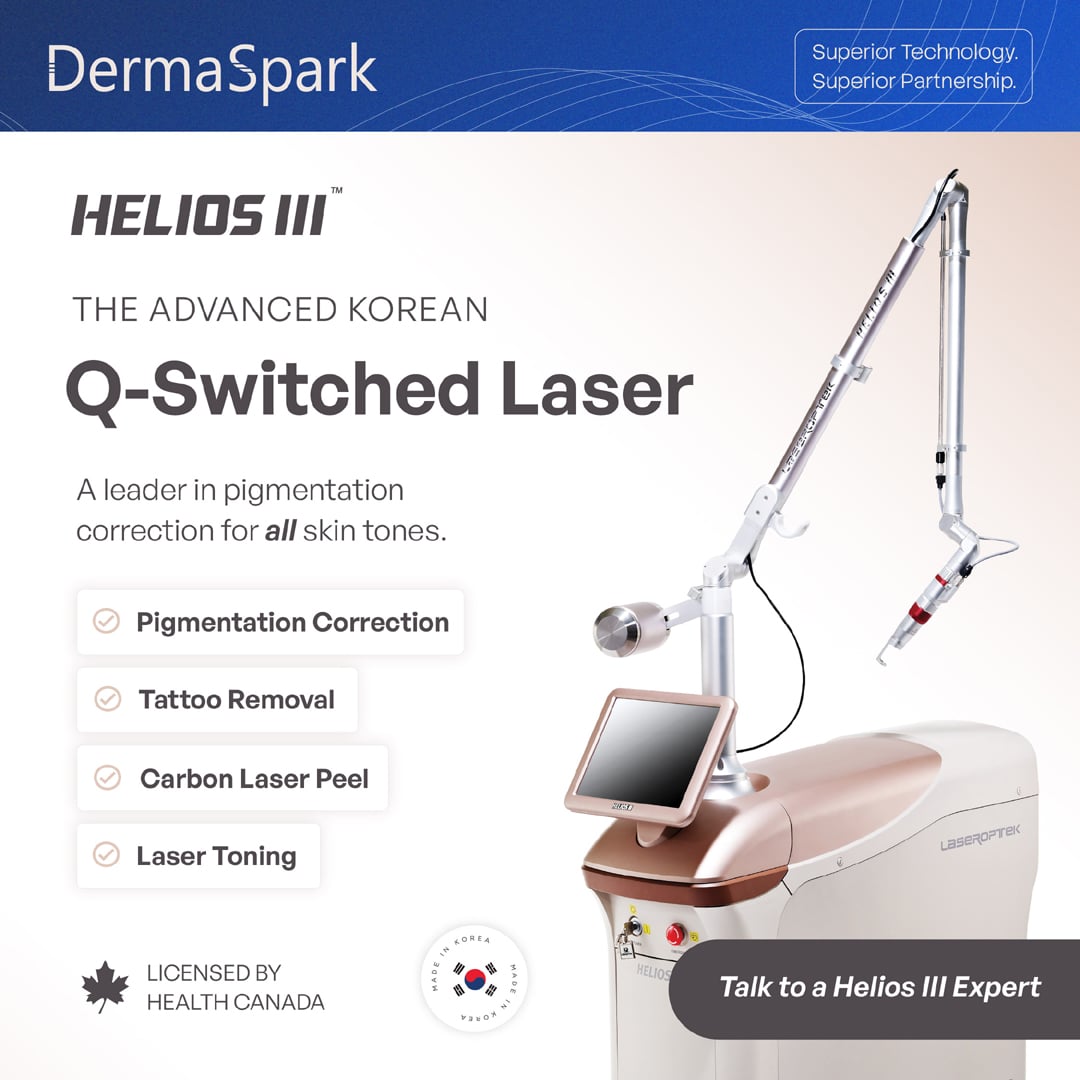
LATEST UPDATE:

Get the latest news!
Subscribe to the ESI SHOW Newsletter

Past Events
Watch our exhibitor testimonials
Discover our Beauty Industry Professional Blog
Your go-to source for insightful articles, expert advice, and the latest trends in the dynamic world of beauty.

Skin Types & Skin Conditions
Skin Types & Skin Conditions Deepening the analysis [...]
Professional Skincare Treatments
Professional Skincare Treatments Structuring professional skin treatments around [...]

Beauty Trends & Industry Innovations
Beauty Trends & Industry Innovations Understanding beauty trends [...]

Hygiene, Safety & Regulations
Hygiene, Safety & Regulations Structuring hygiene, safety and [...]
Medical Esthetics & Advanced Technologies
Medical Esthetics & Advanced Technologies Understanding medical esthetics [...]

Spa & Clinic Business
Spa & Clinic Business Developing spa & esthetic [...]