

Hygiene, Safety & Regulations
Structuring hygiene, safety and regulations to protect clients, guide teams and support a credible professional practice
In the professional beauty industry, the quality of a treatment never depends solely on the esthetic result. It also depends on how the treatment is performed, the environment, hygiene procedures, equipment maintenance, staff training and compliance with applicable professional and regulatory requirements.
For estheticians, medical esthetics professionals, nurses, physicians, spa owners and clinic managers, these considerations should never be viewed as simple formalities. They are an integral part of professional practice. And as services become more sophisticated, procedures must become increasingly rigorous.
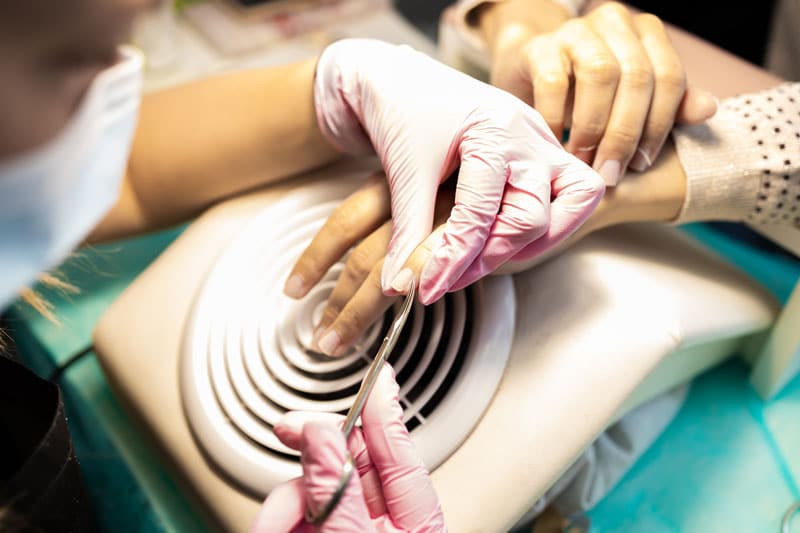
Professional Hygiene Begins Well Before the Client Arrives
An immaculate treatment room immediately inspires confidence, but visible cleanliness represents only part of the work. A surface may appear perfectly clean while still requiring appropriate disinfection. Treatment tables, trays, handles, screens, devices, accessories and other frequently touched surfaces should all be incorporated into consistent procedures.
Consistency is fundamental. Practices should not change according to how busy the establishment is, who is working or how much time is available between appointments. A protocol is truly professional only when it can be applied consistently, even during the busiest periods.
Cleaning, Disinfection and Sterilization Are Not Interchangeable
These terms are sometimes used as though they describe the same process, but they do not. Cleaning removes visible residue and debris. Disinfection provides a different level of microorganism control depending on the product and its intended use. Sterilization represents another level of processing and may be necessary for certain instruments or applications.
A professional team must therefore understand which level of processing applies to which instrument and in which situation. Reusable instruments should be incorporated into procedures appropriate to their use and applicable requirements.
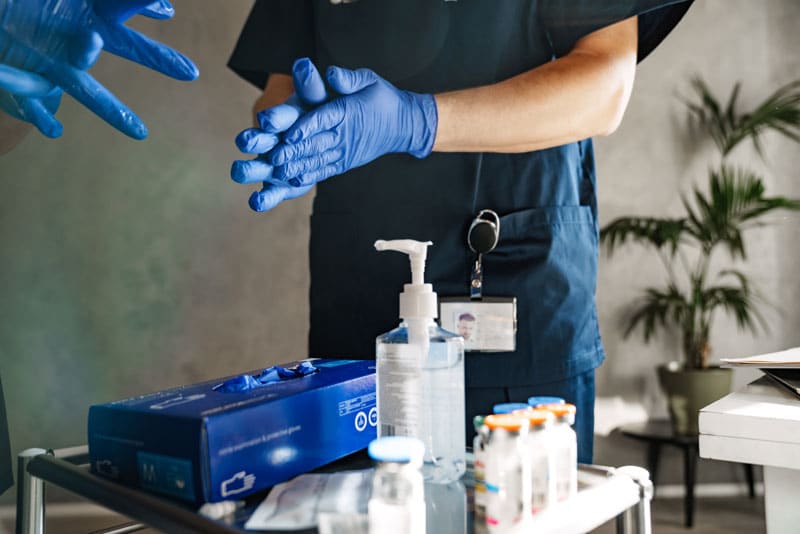
Disinfectant Contact Times Must Be Respected
A common mistake is assuming that a disinfectant works instantly. Its effectiveness depends on following the manufacturer’s instructions, which may include a specific contact time. Spraying a product and immediately wiping it away may not correspond to the required protocol.
For managers, this means products should be selected not only according to their stated effectiveness, but also according to their compatibility with daily operations. A procedure is only useful if the establishment can actually apply it correctly.
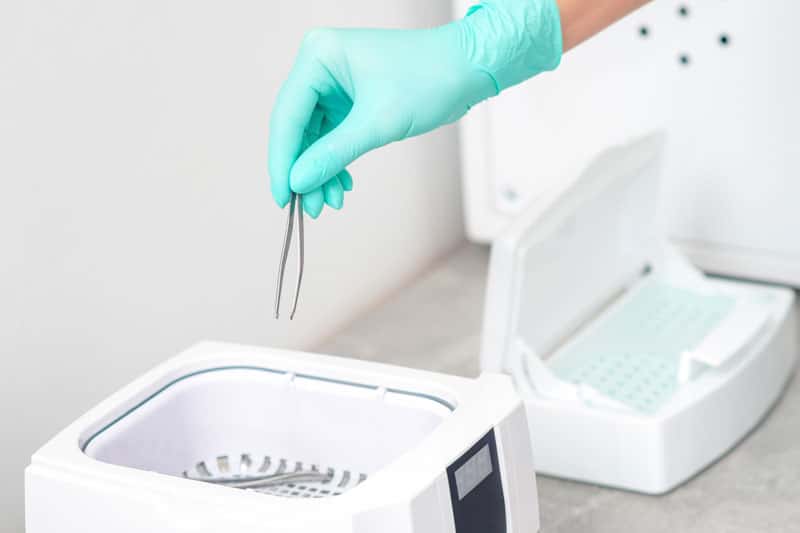
Adapt Procedures to the Services Actually Offered
A traditional facial, peel, technology-based treatment and more advanced procedure do not necessarily present the same considerations. A single general hygiene protocol may therefore not always be sufficient.
Each service should be evaluated according to:
- Surfaces used
- Instruments
- Consumables
- Products
- Equipment
- Level of client contact
- Post-treatment procedures
This becomes particularly important when introducing a new technology. Hygiene should never be considered after the purchase; it should be part of implementing the service from the beginning.
Prevent Cross-Contamination Through Better Organization
Many good practices depend on small actions. During a treatment, a professional may touch a container, handle, shelf, screen or device. If the process is not properly structured, these contacts can create opportunities for cross-contamination.
Treatment room organization should facilitate:
- Separation of clean and used materials
- Access to necessary supplies
- Proper product handling
- Cleaning between appointments
Good organization reduces dependence on memory and makes proper practices easier to follow naturally.
Gloves Do Not Replace Hand Hygiene
Gloves may be appropriate in certain situations, but they never automatically replace hand hygiene. Gloves can also become contaminated and should be changed when appropriate.
The team must understand not only when gloves should be worn, but also when they should be changed, when they should be removed and how to prevent them from becoming a source of contamination.
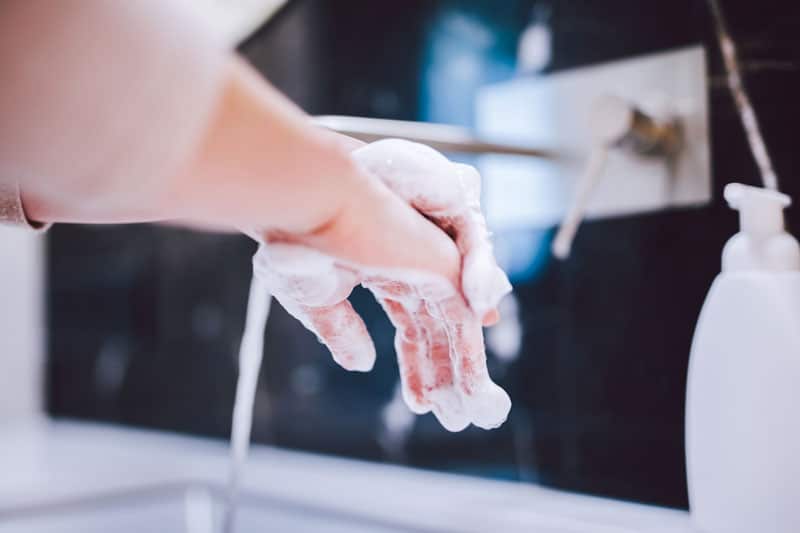
Single-Use Materials Must Remain Single Use
Items designed for a single use should be managed accordingly. Cost pressures should never lead to improvising with materials that were not designed to be reused.
This also requires proper inventory management. The establishment should maintain sufficient consumables so that shortages never encourage the team to bypass procedures. Hygiene therefore also depends on the quality of operational management.

Handle Products Professionally
Containers used in the treatment room can become sources of contamination when handled improperly. Jars, spatulas, applicators and pumps should all be incorporated into a clear procedure.
The objective is simple: remove what is needed without contaminating what remains. Procedures should also address how applicators are used, placed, discarded or processed after client contact.
Expiration dates, periods after opening and storage conditions should also be integrated into inventory management. Proper rotation reduces waste while helping preserve the quality and consistency of professional practice.
Equipment Maintenance Is Part of Safety
Professional devices also require specific procedures:
- Surface cleaning
- Applicator and tip maintenance
- Replacement of required parts
- Component inspections
- Preventive maintenance
Each technology may have its own requirements. A method appropriate for one device should not automatically be applied to another. This distinction becomes particularly important in establishments operating several different platforms.
Consultation Is Also a Safety Tool
Safety begins before the treatment, during the consultation. Medications, recent procedures, previous reactions, health changes, products used at home and other information may influence the decision to proceed.
Professional questionnaires should be adapted to the services actually offered and updated periodically. Information provided during a first visit may no longer be accurate several months later. The fact that a client has previously received a treatment does not automatically mean that it remains appropriate today.

Contraindications Must Be Understood
A treatment should not be performed simply because it appears on the service menu. Professionals authorized to provide it must understand its indications, contraindications and circumstances requiring further evaluation.
When a contraindication is identified, the professional must be prepared to:
- Modify the treatment
- Postpone the appointment
- Refuse to proceed when necessary
This decision may be commercially uncomfortable, but it remains professionally essential. A cancelled appointment costs less than a treatment that should never have been performed.

Consent Should Not Become a Simple Formality
A signed form never replaces a genuine professional conversation. Consent should allow clients to understand:
- What will be done
- Precautions
- Reasonable expectations
- Limitations
- Relevant risks
Different treatments may require different information. A single generic form should therefore not automatically be considered a universal solution. The objective is not simply to obtain a signature, but to ensure that the information has genuinely been communicated and understood.
Get the latest news!
Subscribe to the ESI SHOW Newsletter

Documentation Supports Professional Continuity
A properly maintained client record facilitates follow-up and may document:
- Treatment performed
- Products used
- Device parameters
- Observations
- Reactions
- Recommendations
Documentation becomes particularly important when several professionals work with the same client. It allows the team to understand what was previously done and how the client responded.
Device parameters should also be recorded when a technology offers different settings. This improves consistency, facilitates evaluation of client responses and transforms device use into a structured protocol rather than a practice dependent on one person’s memory.
New Technology Brings New Responsibilities
Introducing a new platform often introduces an entirely new set of procedures. Before launch, the establishment should determine:
- Who can use it
- What training is required
- Which contraindications apply
- How the equipment should be cleaned
- How it should be maintained
- How incidents will be managed
Purchasing the device is therefore only one step. Proper implementation requires much broader preparation. This is why regulations, hygiene and safety should be part of the purchasing process, rather than considered only after delivery.
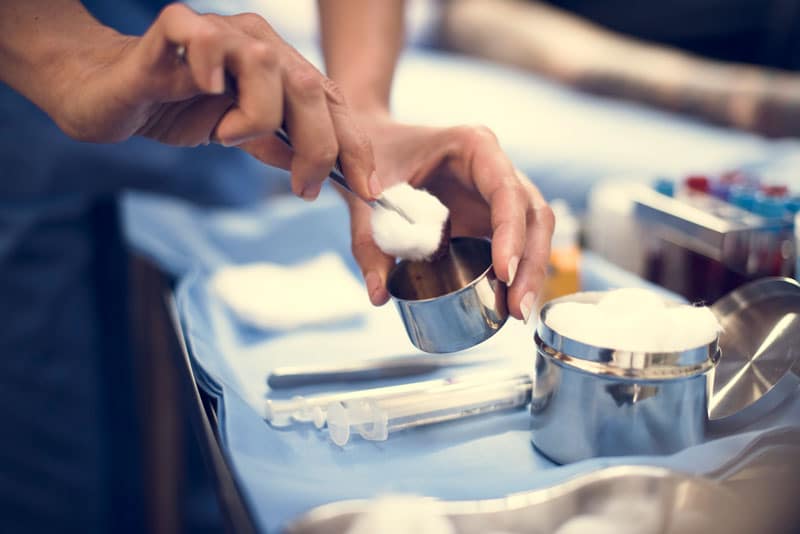
The Supplier Should Not Be the Only Source of Validation
Manufacturers and distributors can provide a significant amount of information, but professional responsibility should not depend entirely on the word of a salesperson.
Owners and practitioners should conduct their own verification with relevant organizations, authorities or professional resources when necessary, particularly when a technology operates within a more complex regulatory environment.
The appropriate approach is therefore to ask the supplier questions and independently verify any points requiring confirmation.

Manufacturer Instructions Remain an Essential Reference
Every device has its own characteristics. Cleaning, maintenance, parts, consumables, parameters and procedures can vary.
Manuals and technical documentation should remain accessible to those responsible for the equipment throughout its useful life. They provide an important reference for operation, maintenance and troubleshooting.
Maintenance should also be documented in a record covering:
- Inspections
- Technical service
- Parts replacement
- Preventive maintenance
This discipline helps identify recurring problems, anticipate certain expenses and know precisely what was performed and when.
A Questionable Device Should Be Removed From Service
When equipment begins operating unusually, the objective should never be to “finish the day anyway.” If its safe operation is uncertain, it is better to stop using it and follow the appropriate procedures.
Continuing to use potentially defective equipment can transform a technical problem into a much larger professional issue. A strong safety culture should allow employees to report a problem without pressure to continue using the equipment.
Initial Training Is Not Always Enough
A procedure learned once can be forgotten or altered over time. New employees join the team, technologies evolve and protocols change.
Teams should therefore schedule reminders, reviews and additional training when necessary. Professional competency is not acquired once and for all: it must be maintained and updated.
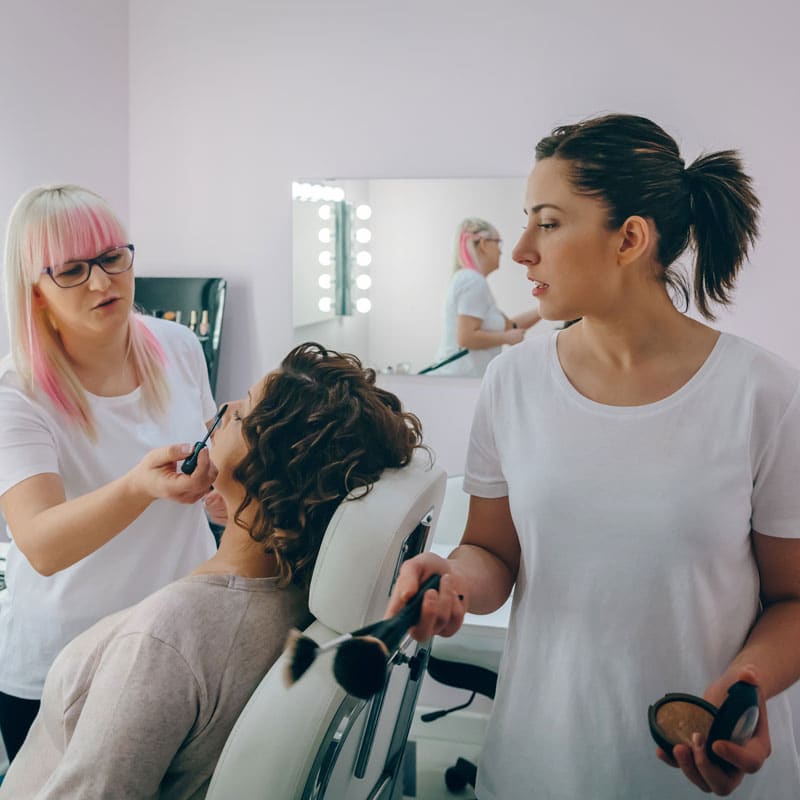
Written Procedures and Checklists Improve Consistency
In many small businesses, certain practices are communicated verbally. This works until a new employee arrives, a detail is forgotten or two people interpret the same instruction differently.
Written procedures can address:
- Cleaning
- Instruments
- Single-use materials
- Equipment maintenance
- Opening and closing treatment rooms
- Incident management
Checklists can also help guide treatment room preparation, cleaning between clients, required supplies and equipment maintenance.
The objective is not to create unnecessary bureaucracy, but to reduce dependence on memory and improvisation.

Internal Audits Help Verify What Actually Happens
A written procedure only has value if it is actually followed. Periodic reviews can therefore assess:
- Surface disinfection
- Separation of clean and used materials
- Product storage
- Client documentation
- Equipment maintenance
The objective is not to catch someone making a mistake, but to strengthen the quality of the system and correct gaps before they become significant problems.
Incidents Should Follow an Established Procedure
Even with good practices, a reaction or unexpected event can occur. The establishment should therefore know in advance how to respond:
- Stop the treatment when necessary
- Take appropriate measures
- Document the event
- Provide follow-up
- Determine whether a referral or other intervention is required
A clear procedure reduces improvisation in situations where stress may be high.
Hygiene Directly Influences Professional Perception
Clients may not know every standard or procedure, but they notice a great deal. A properly prepared treatment room, a professional who follows appropriate hand hygiene and well-organized materials immediately communicate professionalism. Conversely, a neglected detail can create doubt.
Strong standards therefore help build trust, protect reputation and support growth. Hygiene becomes an element of safety, client experience and professional positioning.
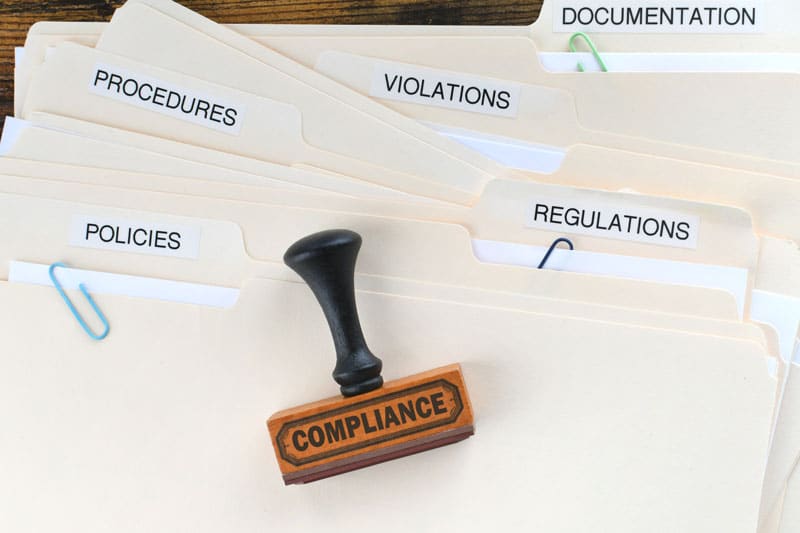
Compliance Also Protects the Business
Good practices do more than reduce the risk of contamination or incidents. They also help limit operational and legal risks.
For owners, compliance should therefore be considered a management responsibility alongside finances, human resources and insurance. A business that wants to grow must first have solid foundations.
ESI Show: Ask Questions That Go Beyond Performance
When professionals meet suppliers at ESI Show, they may naturally be interested in the performance of a product or device. But they should also ask questions about:
- Cleaning
- Maintenance
- Consumables
- Training
- Contraindications
- Usage requirements
- After-sales support
A demonstration can show what a device can do. A professional discussion should also help determine how to properly integrate it into a practice.
This is precisely what gives value to a B2B environment bringing manufacturers, distributors, educators and practitioners together.
Hygiene, Safety & Regulations: The Foundations of a Sustainable Practice
Hygiene, safety and regulations should never be considered the less interesting side of professional esthetics. On the contrary, they make everything else possible.
An innovative technology only has value when it is used correctly. An excellent protocol loses credibility when hygiene procedures are inconsistent. A beautiful clinic cannot build a lasting reputation without strong professional standards.
For estheticians, medical esthetics professionals, nurses, physicians, owners and managers, the evolution of professional practice must therefore be accompanied by an evolution in procedures. The more advanced the industry becomes, the more advanced its standards must become as well.
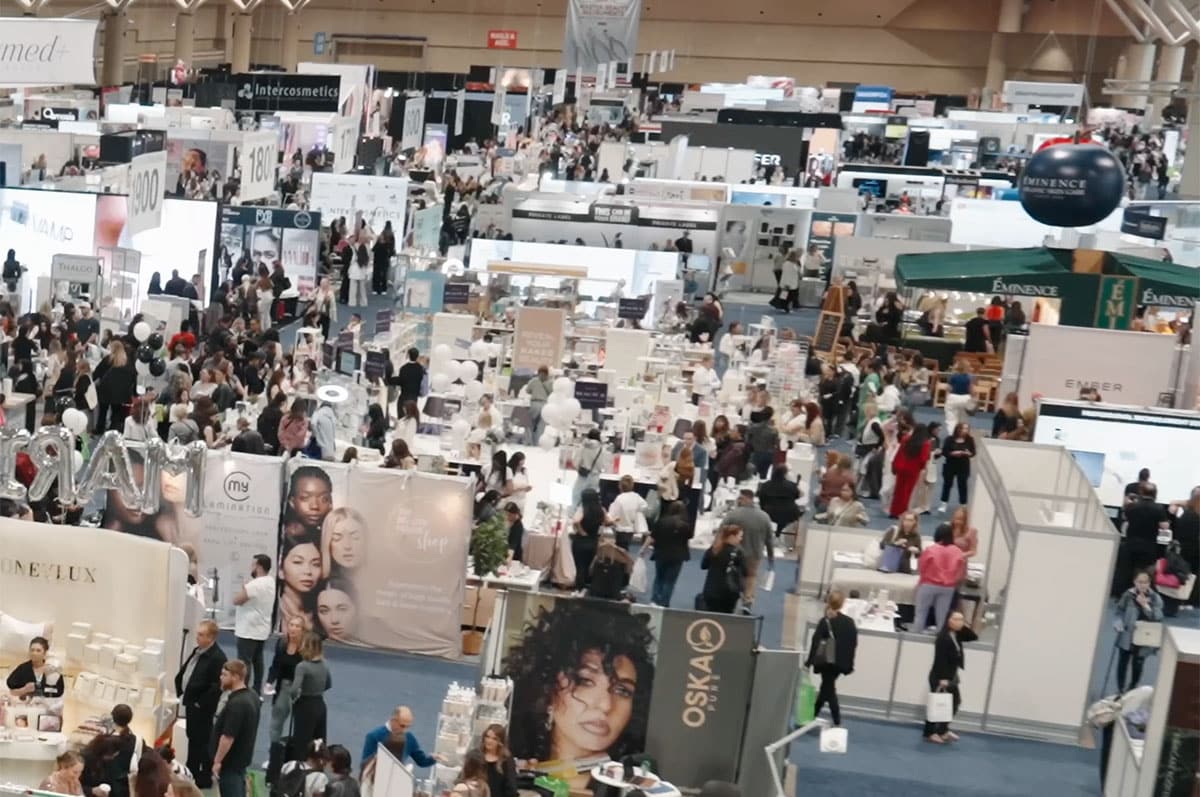
This is also why ESI Show should be viewed not only as a place for discovery, but as a professional environment where practitioners can learn, compare, ask questions and strengthen the standards of their practice.
Get the latest news!
Subscribe to the ESI SHOW Newsletter