

Skin Types & Skin Conditions
Deepening the analysis of skin types and skin conditions to personalize protocols, better select products and strengthen professional expertise
In professional esthetics, understanding the skin is the starting point for virtually every decision. Before selecting a product, recommending a treatment, integrating a technology or building a protocol, professionals need to determine what the skin is actually presenting at the time of consultation.
This analysis requires a fundamental distinction between skin type and skin condition. Skin type generally describes relatively consistent characteristics, while a condition can appear, disappear or evolve depending on the season, environment, age, hormonal changes, certain medications, products used or previous treatments.
Naturally oily skin can be dehydrated. Dry skin can experience acne. Mature skin can be both sensitive and hyperpigmented. Skin can never be reduced to a single label.
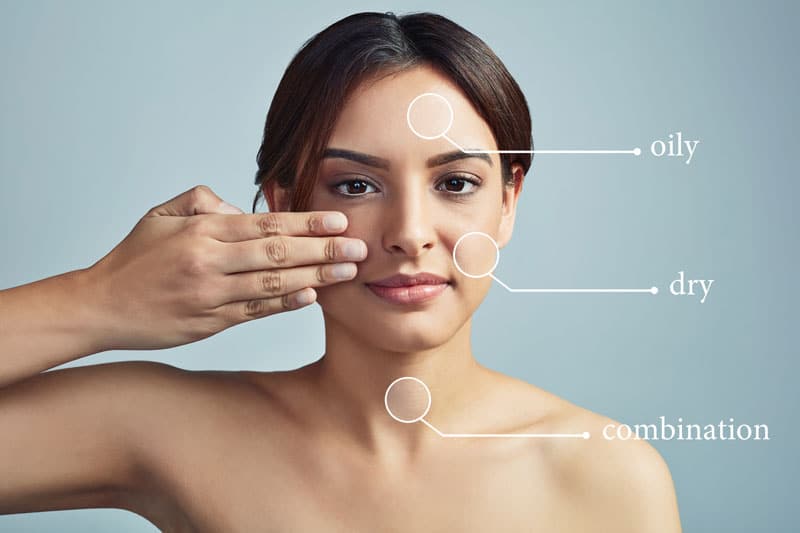
Skin Type and Skin Condition: Why the Distinction Is Essential
Skin is generally classified as normal, dry, oily or combination. These categories provide useful reference points, but they tell only part of the story.
Several conditions can overlap with them:
- Dehydration
- Sensitivity and redness
- Acne
- Hyperpigmentation
- Uneven texture
- Visible aging
- Loss of firmness
The right question is therefore not simply “What is the client’s skin type?”, but rather: “What is the client’s skin type and what is its condition today?”
It is this second question that makes true treatment personalization possible.
Normal Skin: Balance Does Not Eliminate the Need for Analysis
Normal skin generally presents a relatively stable balance between sebum and hydration without necessarily having a dominant concern. But “normal” does not mean “without needs.”
The professional objective is to preserve this balance, support the skin barrier and adapt the protocol when certain conditions appear. Sun exposure, cold weather, hormonal changes or an overly aggressive routine can temporarily alter the skin’s behaviour.
Professionals should therefore analyze what they observe today, even when they have known the client’s usual skin type for years.
Dry Skin: Understanding the Role of Sebum and the Barrier
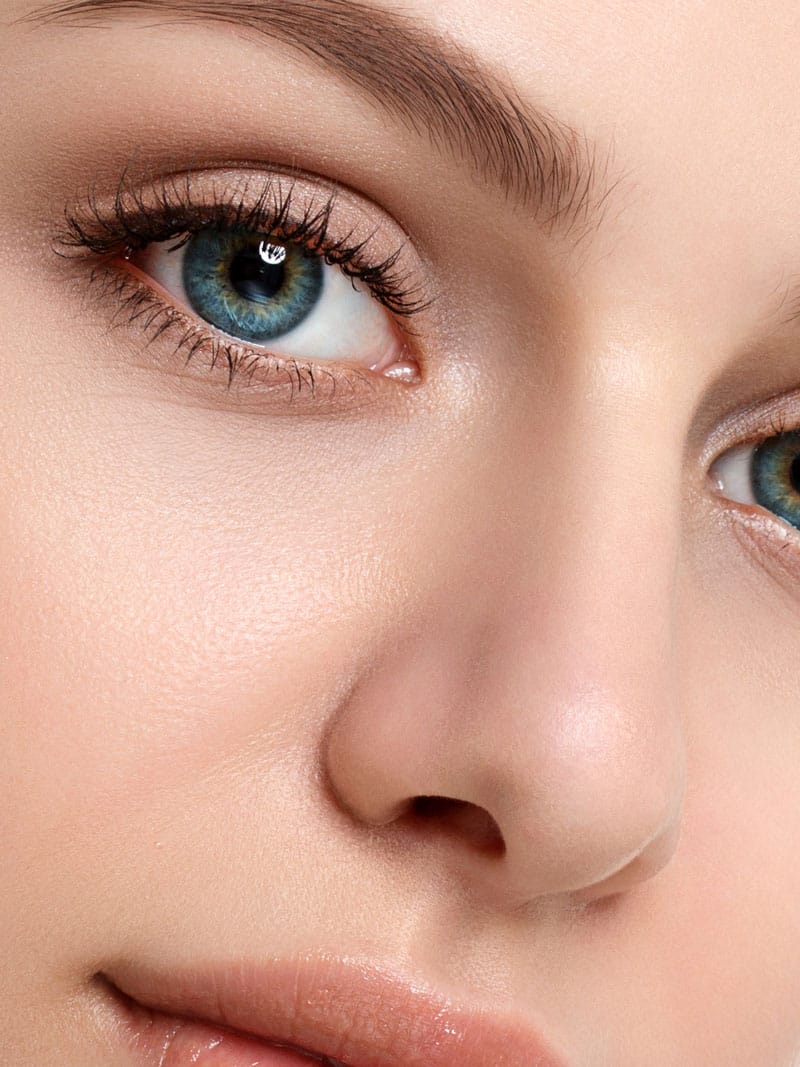
Dry skin generally produces less sebum and may present tightness, reduced suppleness, rough areas or more visible superficial fine lines.
The objective may therefore be to support comfort and the skin barrier through formulations containing humectants, emollients, lipids and other appropriate components.
One distinction remains essential: dry skin and dehydrated skin are not synonymous. Dry skin generally refers to a skin type, while dehydration is a condition that can affect virtually any skin type.
This difference directly influences product selection and protocol structure.
Oily Skin: Avoid the Stripping Approach
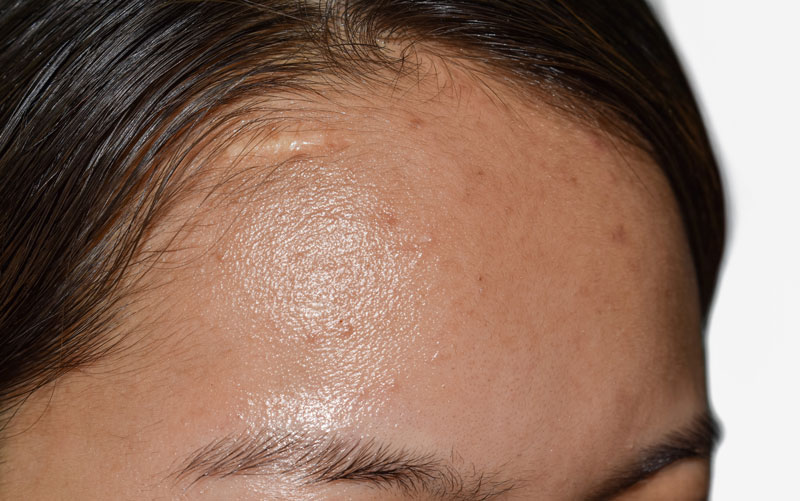
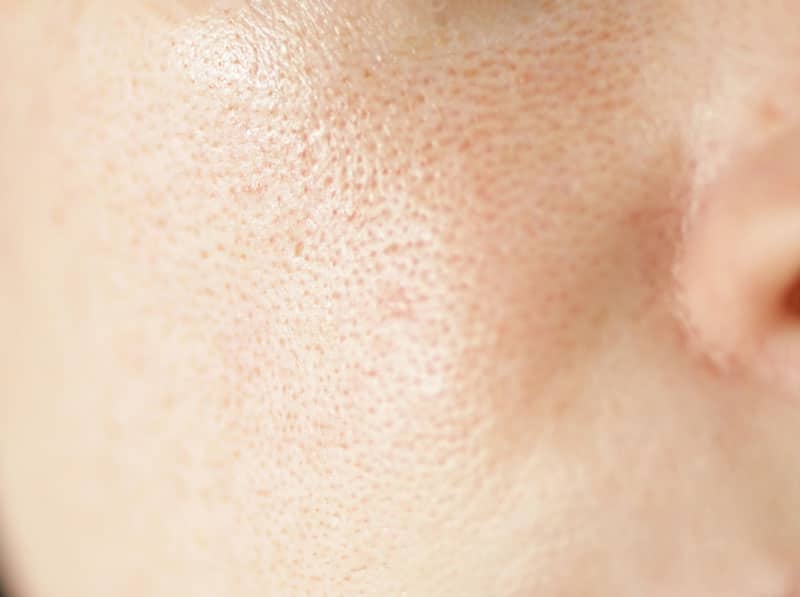
Oily skin produces more sebum and may present greater shine, visible pores or certain imperfections. A common mistake, however, is attempting to eliminate all sebum with overly aggressive products.
Oily skin can simultaneously be sensitive, irritated or dehydrated. The professional’s role is therefore not to “strip” the skin, but to seek better balance.
The presence of sebum should not automatically lead to conclusions about acne either. Analysis must come before treatment.
Combination Skin: Several Realities on the Same Face
Combination skin clearly demonstrates the limitations of uniform protocols. The T-zone may produce more sebum while the cheeks are normal or drier.
Using exactly the same product or intensity across the entire face may therefore not always be appropriate. Dehydration, imperfections, sensitivity or visible signs of aging can also overlap.
Personalization does not mean forcing the entire face into a single category. It means treating what the analysis actually reveals.
Sensitive or Sensitized Skin: An Important Professional Distinction
Some people naturally have more reactive skin, while others temporarily develop sensitivity following treatments, overly active products or environmental factors. This may be described as sensitized skin.
This distinction can completely change the strategy. Excessive use of exfoliants, retinoids or other active formulations can compromise the skin barrier.
When redness, discomfort, tingling or sensations of heat are present, professionals may need to reduce intensity rather than add another treatment. In some situations, less truly is more.
Dehydration Can Affect Every Skin Type
Dehydration refers to a lack of water and can occur even in oily skin. A person may therefore experience shine while also feeling tightness or showing other signs of insufficient hydration.
Indoor heating, air conditioning, seasonal changes and skincare habits can all influence this condition.
Professionals should therefore avoid automatically recommending sebum-reducing products simply because they observe shine. They need to consider the complete skin profile.
Acne Is Not a Skin Type
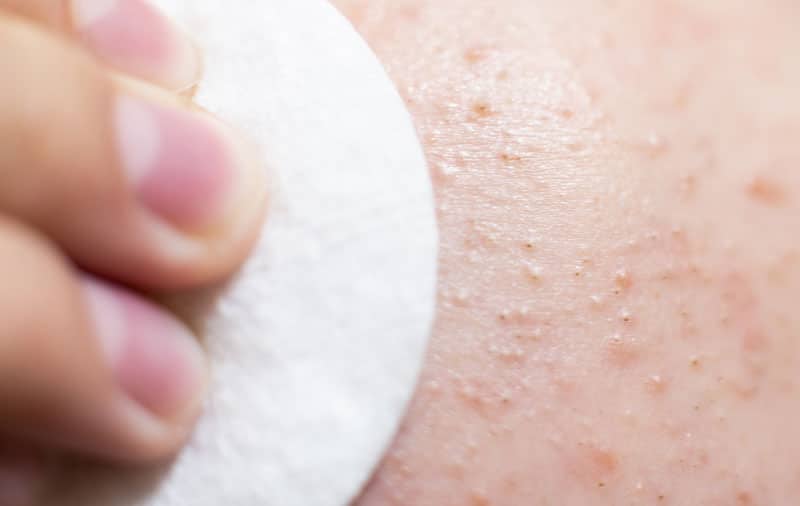
Acne is a complex condition that can occur across different skin types. Acne-prone skin is therefore not necessarily oily.
An excessively drying protocol applied to already compromised skin can increase discomfort. Professionals must also respect the limits of their scope of practice: certain manifestations may require assessment by a healthcare professional.
Professional expertise is not only about knowing how to treat. It is also about knowing when not to treat.
Post-Acne Marks and Scars Change the Objective of the Protocol
The disappearance of active lesions does not necessarily mark the end of the program. Residual pigmentation, persistent redness or changes in texture may become the new primary concern.
The protocol can therefore evolve: an initial phase may focus on stabilizing the skin, followed by a second phase that progressively addresses the appearance of marks left by imperfections.
This progression illustrates the difference between a one-time treatment and an evolving professional strategy.
Hyperpigmentation Requires a Differentiated Approach
Not all pigmentation is the same. Sun exposure, inflammation, hormonal changes and other factors can contribute to pigmentation irregularities.
The professional strategy should therefore consider:
- Probable origin
- Appearance
- History
- Skin characteristics
- Photoprotection
Professionals should not treat “a spot” simply because it resembles another. History matters.

The Skin Barrier Influences Almost Every Protocol
The skin barrier has become one of the central concepts in modern esthetics. When compromised, skin can become more reactive, uncomfortable and less tolerant of intensive interventions.
A client may request an intensive acne or pigmentation treatment while the analysis indicates that supporting the skin barrier should come first.
This is an excellent example of the professional’s role: the client expresses a request, but the practitioner determines the true priority. These two things are not always the same.

Seasons Change the Condition of the Skin
In a market such as Canada, seasonal changes can be particularly significant. Cold, wind, indoor heating, humidity, heat, perspiration and sun exposure can all influence skin condition.
A routine perfectly suited to January may no longer correspond to the skin’s needs in July. Skin type may remain relatively stable while its condition changes considerably throughout the year.
Professional protocols should therefore be able to evolve with the seasons.
Get the latest news!
Subscribe to the ESI SHOW Newsletter

Lifestyle Habits Provide Context for Skin Analysis
Skin does not exist independently from the rest of the person. Stress, sleep, smoking, environmental exposure and daily habits can influence its appearance.
This obviously does not mean that an esthetician becomes a physician, nutritionist or specialist in all these areas. Rather, it means recognizing that professional products and treatments represent only one part of a much broader picture.
This perspective also helps establish more realistic expectations.
Medications and Recent Treatments Must Be Considered
Certain medications, medical treatments or esthetic procedures can affect skin sensitivity or response. Consultation should therefore never be considered a form completed only once.
Before a peel, microneedling or another professional intervention, relevant information should be reassessed to identify factors that could modify the protocol or represent a contraindication.
A loyal client deserves an updated consultation, not an assumed one.

Technological Analysis Complements the Professional Eye
Skin analysis devices are increasingly present in spas and clinics. Depending on their functions, they can document certain characteristics, track changes and facilitate client education by making certain observations more visual.
These technologies do not replace professional judgment. On their own, they do not know the client’s history, tolerance, recent treatments, products used or overall objectives.
Technology must therefore remain a tool that supports analysis.
Phototype Adds an Essential Dimension
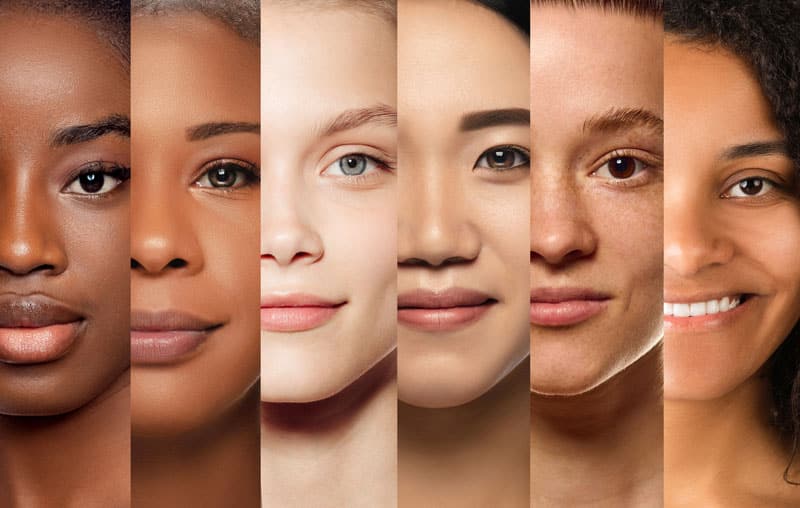
Skin type should not be confused with phototype. This distinction becomes particularly important when working with certain technologies or pigmentation concerns.
A truly personalized approach therefore involves much more than simply asking, “Dry skin or oily skin?” It requires a more complete profile that considers skin diversity.
This expertise becomes particularly important for clinics selecting technologies intended to appropriately serve a diverse clientele.
Esthetic Assessment Should Not Become Medical Diagnosis
Analyzing the skin to adapt a treatment does not mean making a medical diagnosis. Certain lesions, persistent conditions or unusual situations should be referred to a healthcare professional when necessary.
Knowing when to say “This situation should be evaluated before we proceed” can sometimes be the most competent recommendation made during the entire consultation.
This ability protects the client, respects professional scope of practice and contributes to professional credibility.
Personalization Does Not Mean Improvisation
Two people can book exactly the same service and receive slightly different protocols without the treatment lacking structure.
Temperature, duration, products, level of exfoliation or certain steps can be adjusted within established professional limits.
The client therefore does not simply receive “a treatment.” They benefit from analysis + selection + adaptation + follow-up.

The Home Care Routine Must Also Be Reassessed
A client may use the same products for years simply because they once worked well. But skin, environment, age, treatments and concerns evolve.
The routine should therefore be periodically reassessed. This does not mean replacing every product: changing the frequency or replacing a single step may sometimes be enough.
The best routine is not the longest. It is the one that is appropriate, well tolerated and realistic to maintain.
Standardize Analysis to Better Personalize Treatments
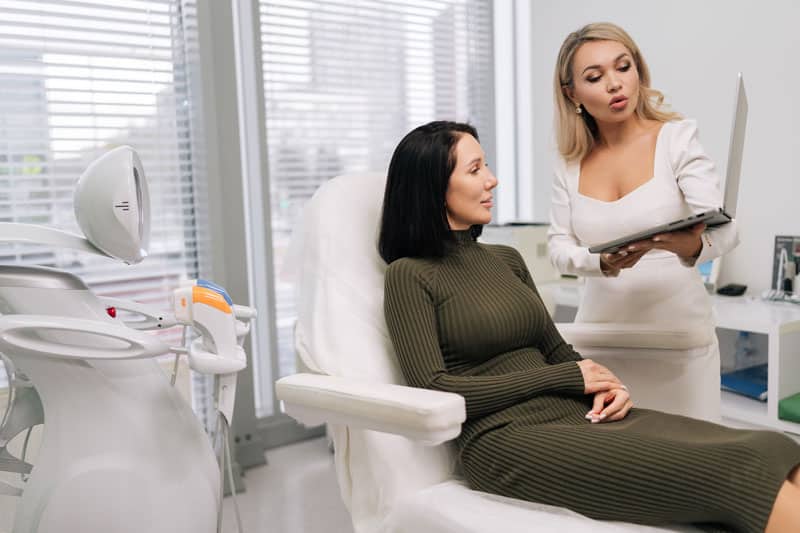
In a spa or clinic with several professionals, personalization becomes difficult to maintain if everyone analyzes skin using a completely different method.
A structured consultation can consider:
- History
- Products used
- Tolerance
- Observations
- Objectives
- Current conditions
- Previous technologies or treatments
A shared method allows the team to speak the same language while maintaining an individualized approach.
Standardizing analysis does not mean standardizing treatment. On the contrary, it helps explain why the treatment should be different.
Knowledge of Different Phototypes Should Also Influence Purchasing Decisions
For an owner or manager, understanding different skin profiles should also influence business decisions.
When considering a new technology, important questions include:
- Which phototypes is it designed for?
- What portion of our clientele can actually benefit from it?
- What parameters or precautions are required?
- What training does the supplier provide?
A spectacular technology that is appropriate for only a limited portion of the clientele may represent a poor investment. Skin diversity therefore also becomes a professional purchasing criterion.

Professional Product Lines Must Offer Sufficient Flexibility
The same reasoning applies to products. A professional line should make it possible to adapt protocols to the main skin profiles and conditions encountered:
- Dry skin
- Oily skin
- Dehydration
- Sensitivity
- Pigmentation
- Aging
- Acne
The objective is not to have a different product for every imaginable scenario, but to have an architecture flexible enough to personalize treatments without making inventory unmanageable.
For owners, clinical expertise and business management therefore intersect directly.
ESI Show: Deepening Your Understanding of All Skin Types
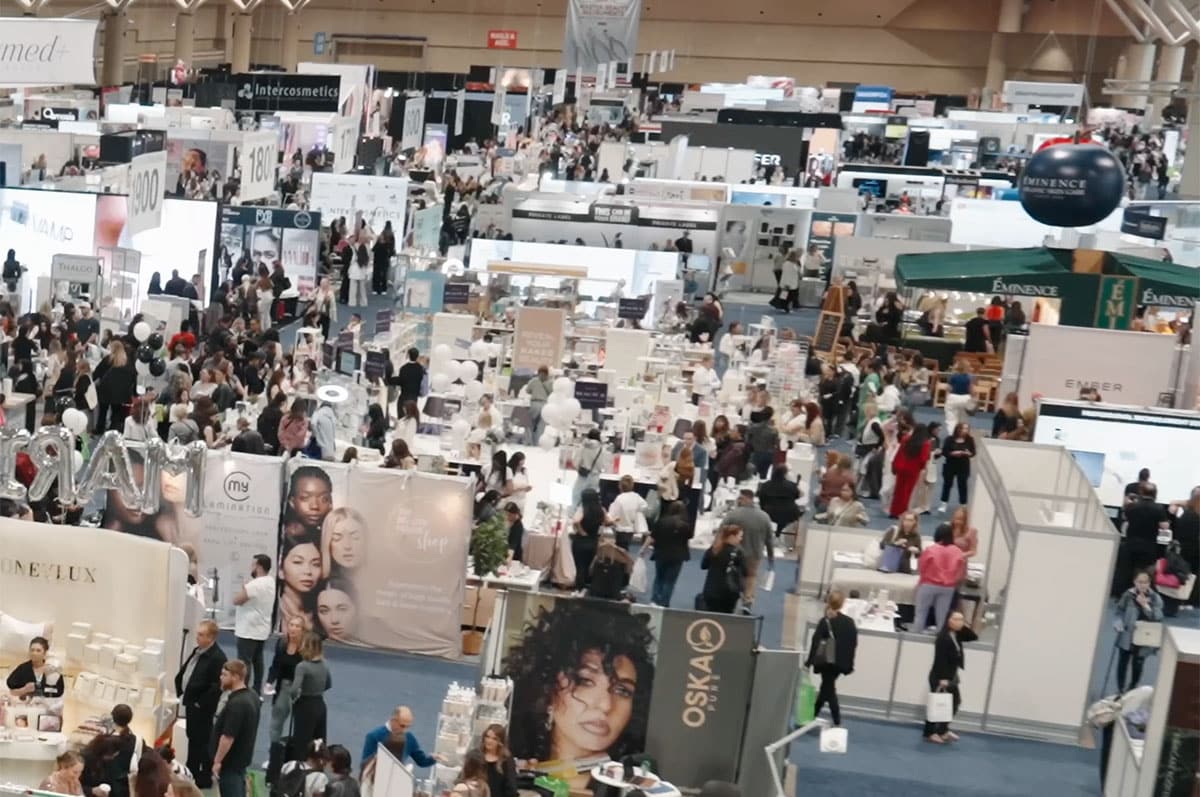
This is precisely where a professional environment such as ESI Show becomes particularly relevant. Our understanding of skin continues to evolve through new formulations, analysis technologies, skin barrier research, protocols adapted to different phototypes and consultation tools.
ESI Show allows professionals to meet brands, manufacturers, distributors and educators, attend demonstrations and directly compare different solutions.
For estheticians, it is an opportunity to deepen their analysis. For clinics, to compare imaging systems. For buyers, to evaluate product lines adapted to different clienteles. For medical esthetics professionals, to obtain more precise information about phototypes and technologies.
The show thus becomes a valuable tool for updating professional knowledge.
Skin Types & Skin Conditions: Analyze Before Recommending
Understanding skin types and skin conditions does not mean learning how to quickly place every client into a category. It is exactly the opposite.
Skin type represents only one part of the analysis. Current condition, skin barrier, seasons, products used, previous treatments, phototype and tolerance must also be considered. And sometimes, the limits of professional scope matter more than anything else.
A truly professional approach therefore means analyzing the skin as it presents today, personalizing recommendations and recognizing situations that require additional expertise.
This is the skill that technologies and products should support — never replace. And this is precisely why ESI Show provides a relevant B2B environment: not to learn which cream to use “for dry skin” or which treatment to offer “for oily skin,” but to deepen the ability to analyze, compare and personalize.
Because a professional’s value does not simply lie in the ability to recognize a category. It lies in the ability to understand what this skin, today, truly requires from their practice.
Get the latest news!
Subscribe to the ESI SHOW Newsletter