

Medical Esthetics & Advanced Technologies
Understanding medical esthetics and advanced technologies to better evaluate equipment, structure protocols and develop a responsible professional practice
Medical esthetics and advanced technologies now play a major role in the evolution of the professional beauty industry. The technologies available have considerably expanded the possibilities offered to spas, clinics and medical esthetics environments:
- Laser
- Intense Pulsed Light (IPL)
- Radiofrequency
- Microneedling
- LED
- Ultrasound
- Body contouring technologies
- Skin analysis systems
This evolution brings as many new responsibilities as it does opportunities. For estheticians, medical esthetics professionals, nurses, physicians, managers and clinic owners, the challenge is no longer simply knowing which technologies exist, but knowing how to analyze, compare, select and intelligently integrate them.
A sophisticated technology does not automatically improve a practice. It becomes truly valuable when it addresses a clearly identified need, can be used by the appropriate professionals, integrates into coherent protocols and contributes to a viable business model.
Medical Esthetics Is Transforming Professional Practice
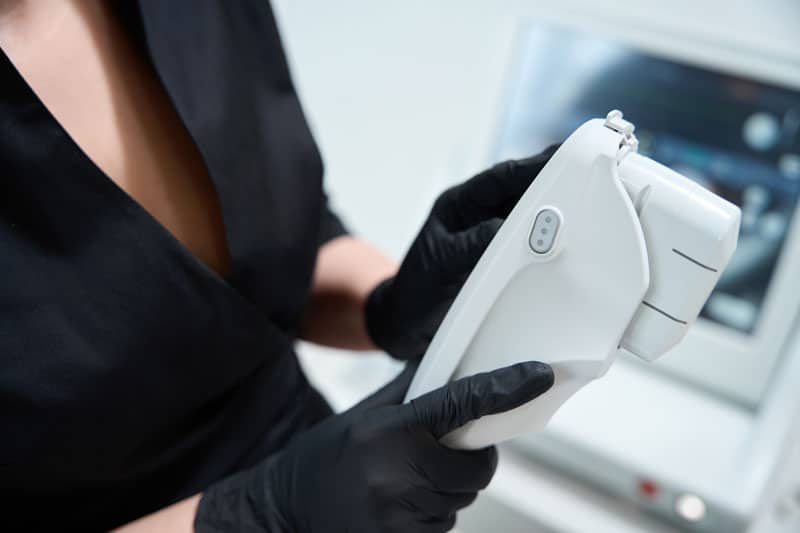
The arrival of new technologies has progressively brought together several areas of expertise: traditional esthetics, professional skincare, medical esthetics, energy-based technologies and multidisciplinary clinical environments. This evolution creates significant opportunities, but it also requires greater professional rigour.
Two devices marketed to address a similar esthetic concern may operate according to completely different principles, require different skills and provide very different treatment experiences. Professionals must therefore look beyond the name of the technology and understand:
- What mechanism is being used?
- What type of energy is delivered?
- At what depth?
- For which applications?
- With which parameters?
- For which client profiles?
- What are the system’s limitations?
This knowledge is the foundation of an informed professional decision.
Laser: Comparing Much More Than a List of Treatments
Laser technologies play an important role in medical esthetics. Depending on the system, they may be designed for different applications related to hair removal, texture, skin tone or certain visible signs of aging.
For a clinic, however, comparing laser platforms solely according to the list of treatments advertised by the manufacturer is not enough. Other considerations include:
- Technology used
- Available parameters
- Level of customization
- Training requirements
- Technical support
- Maintenance
- Versatility
- Actual target clientele
The professional question is therefore not: “Which laser is the best?” It becomes: “Which system best fits our clientele, our team, our service offering and our business model?”
This distinction is fundamental to avoiding investments based primarily on the popularity of a particular technology.
IPL and Laser: Understanding the Differences Before Comparing
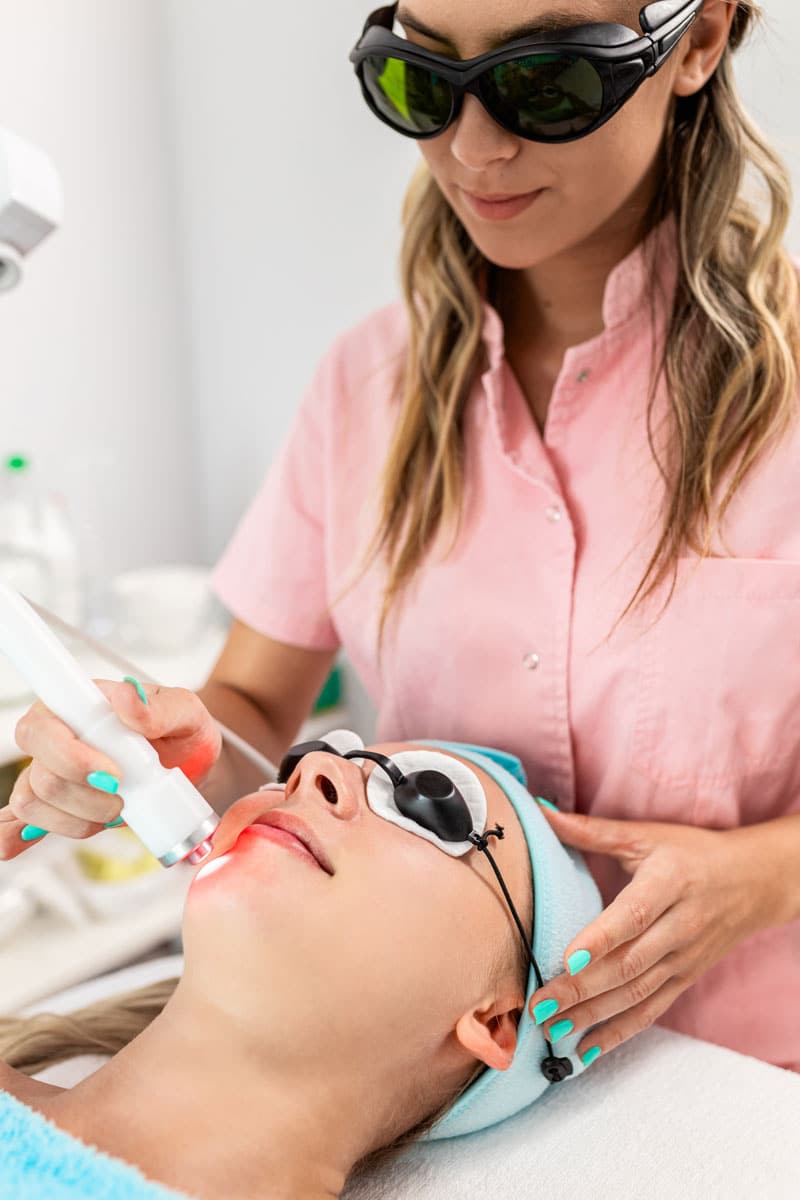
Intense Pulsed Light, or IPL, is sometimes grouped together with lasers in consumer conversations. For professionals, this simplification is insufficient. The two technologies operate according to different principles, and their applications may vary depending on the platform and available parameters.
Understanding these differences also makes it possible to ask suppliers better questions. Rather than simply asking whether a device “treats pigmentation” or “treats hair,” professionals can seek to understand:
- How the energy is delivered
- Which parameters can be adjusted
- Which client profiles are appropriate
- Which precautions must be considered
Professional comparison begins when commercial terminology is no longer enough.
Microneedling: The Technique Is More Than the Name of the Treatment
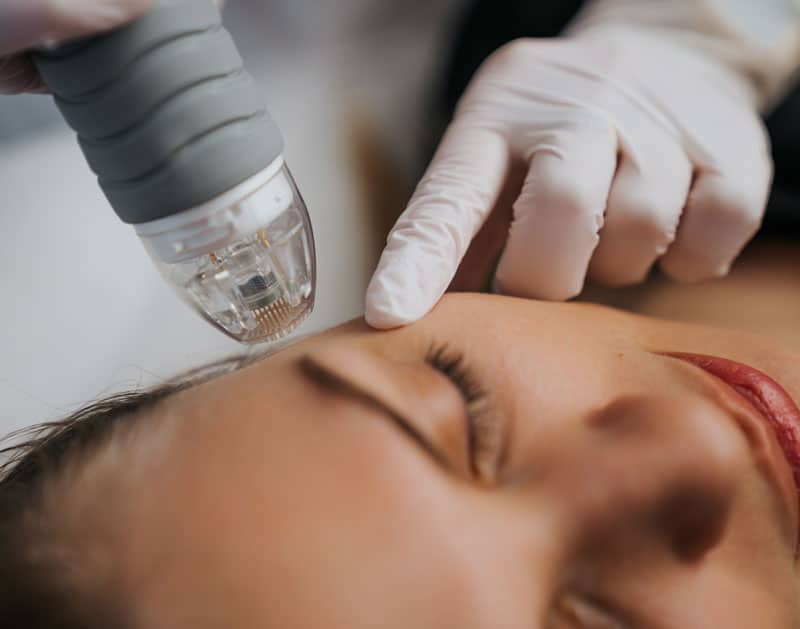
Microneedling also illustrates the importance of looking beyond the name of a technique. Devices may vary in their design, cartridges, parameters and applications. Treatment depth, area, skin condition, objectives and contraindications must all be considered according to the protocol and applicable professional framework.
For a clinic, integrating microneedling therefore requires more than purchasing a device. It requires:
- Appropriate training
- Documented protocols
- Rigorous hygiene procedures
- Proper client selection
- Consumable management
- A follow-up system
This same logic should apply to all advanced technologies.
RF Microneedling: When Combining Technologies Changes the Protocol
Radiofrequency microneedling demonstrates how the industry is now combining different modalities within a single platform. Mechanical action from the microneedles is combined with the delivery of radiofrequency energy.
For professionals, this combination should not simply be considered an “enhanced version” of an existing treatment. It is a technology that must be evaluated according to its own characteristics:
- Depth
- Energy
- Parameter control
- Consumables
- Client experience
- Training
- Applications
These elements can vary considerably from one platform to another. Two devices both described as “RF microneedling” should therefore never automatically be considered equivalent.
Radiofrequency: Understanding Different Platforms
Radiofrequency is now integrated into numerous technologies designed for the face and body. Once again, however, the term itself is not enough to compare devices. Platforms can differ in how energy is delivered, controlled and applied.
For an owner or professional buyer, a meaningful conversation with a supplier should therefore go beyond promises of “skin tightening.” Professionals should be able to obtain precise answers regarding:
- Applications
- Parameters
- Protocols
- Indications
- Contraindications
- Training
- Consumables
- Actual treatment time
LED: Apparent Power Does Not Determine Relevance
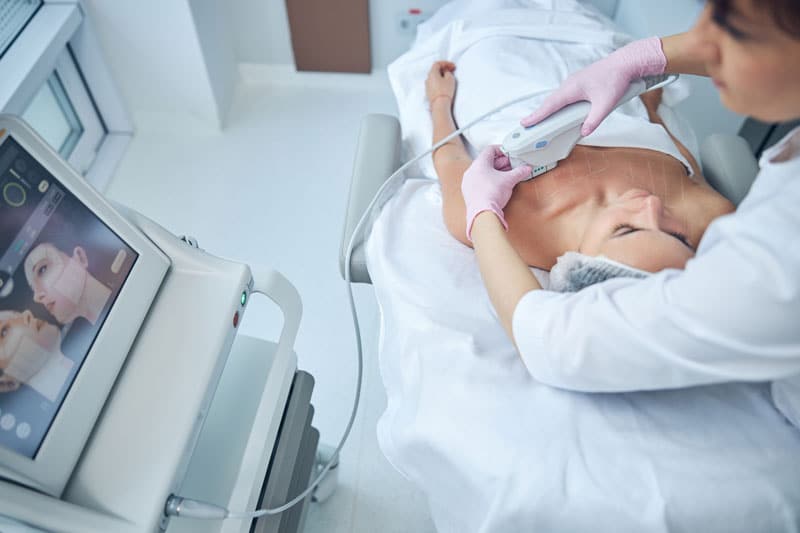
Advanced technologies do not all rely on intensive treatments. LED phototherapy can be incorporated into different professional protocols as either a primary or complementary modality.
It reinforces an important principle: the most impressive or expensive technology is not necessarily the most relevant for every objective.
A device should be evaluated according to the role it plays within a protocol. The objective is not to own the greatest number of devices, but to have the right tools for the services the business actually wants to provide.
Body Technologies Must Also Be Evaluated Strategically
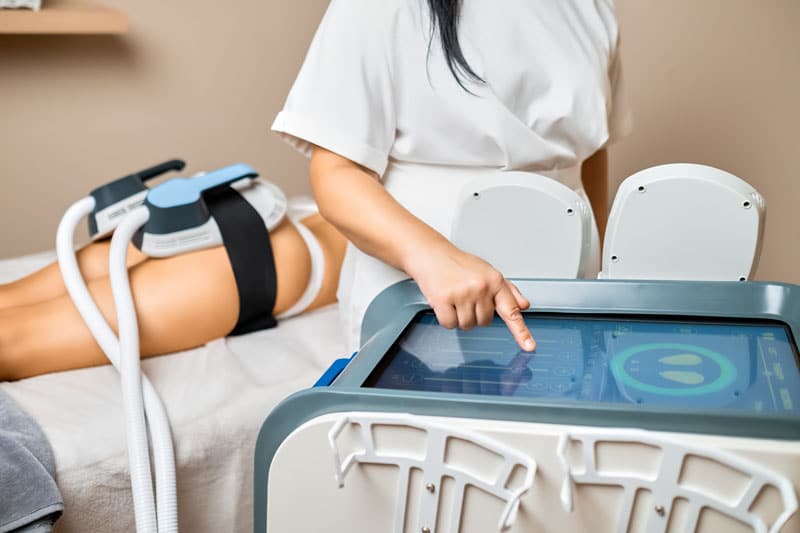
Technological innovation is not limited to the face. Body and contouring technologies have also diversified the services offered by many businesses and may provide an opportunity to develop a new service category.
Before investing, however, several questions become essential:
- What is the demand?
- How long does a session take?
- How many sessions are generally included in a program?
- Which professional must perform the treatment?
- How long will the treatment room be occupied?
- What will the service price be?
- What is the cost per treatment?
- How many appointments will realistically be required to recover the investment?
The theoretical potential of a technology is not necessarily the same as its actual commercial potential.
Skin Analysis Is Becoming Technological Too
Technology is no longer used solely to perform treatments. It can also contribute to the consultation process. Skin analysis and imaging devices can document certain observable characteristics, improve consultation consistency and help track changes over time.
For a business, these tools can also enhance the professional experience by making certain observations more visual and helping explain the reasoning behind a protocol.
Automated analysis, however, does not replace practitioner expertise. Data must always be interpreted while considering:
- Client history
- Products being used
- Previous treatments
- Client objectives
- Professional observation
Technology enhances the consultation; it should not become the consultation.
A Technology Is Never Better Than the Professional Using It
This is probably one of the most important principles in medical esthetics. A sophisticated device does not automatically guarantee an excellent treatment. Several elements remain essential:
- Client selection
- Consultation
- Protocol
- Parameters
- Indications
- Contraindications
- Follow-up
This reality should also influence purchasing decisions. When two devices appear comparable, the quality of training and professional support can become a determining factor.
Scope of Practice Must Come Before the Purchasing Decision
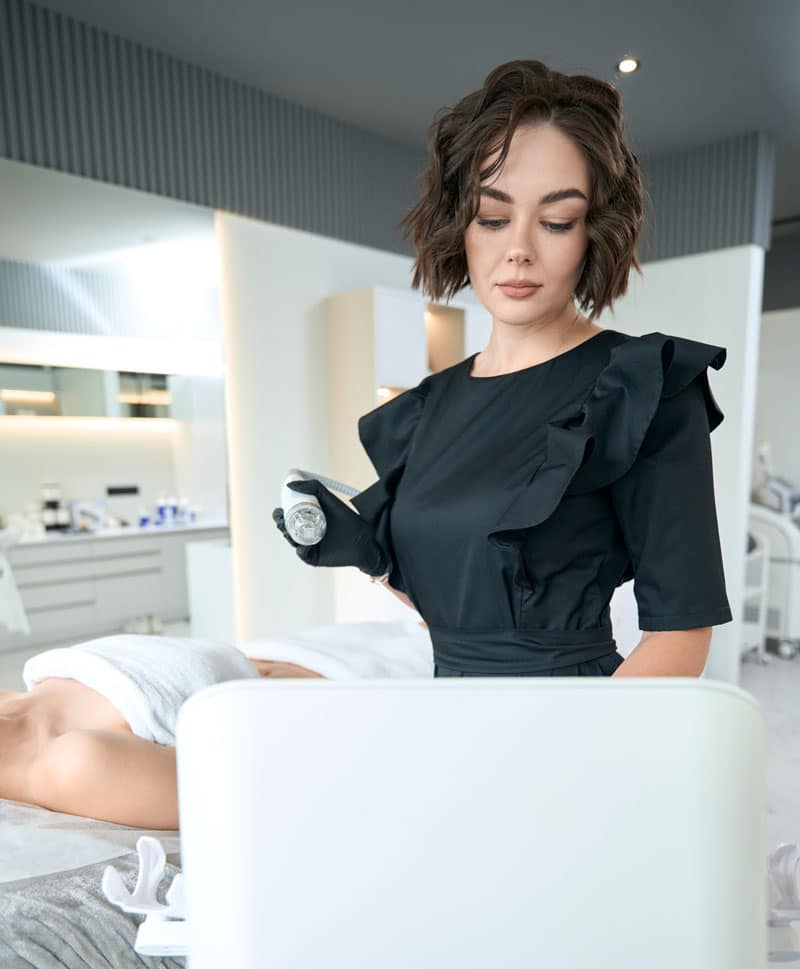
The fact that a device can be purchased does not automatically mean it can be used by every member of a team. Qualifications, responsibilities and applicable requirements may vary according to the technology, procedure and professional context.
Before purchasing, an owner should therefore determine:
- Who will actually use the device?
- What qualifications are required?
- What training will be necessary?
- Which responsibilities belong to each team member?
These questions should be resolved before signing a contract. It becomes much more difficult to generate a return on equipment when, after purchasing it, the business discovers that its use is more restricted than anticipated.
Safety, Hygiene and Documentation Are Inseparable From Technology
As treatments become more advanced, procedures must also become more structured. Several elements must be integrated into the business’s operations:
- Cleaning and disinfection
- Consumable management
- Maintenance
- Documentation of parameters
- Consent
- Follow-up
- Training
Safety cannot be considered a separate step from the treatment: it is part of the protocol.
The same principle applies to maintenance. Poorly maintained equipment can become unusable, affect treatment consistency and cause significant interruptions. In a clinic where a particular technology generates an important portion of revenue, prolonged downtime can have considerable financial consequences.
Get the latest news!
Subscribe to the ESI SHOW Newsletter

After-Sales Service Can Become as Important as the Device
This is an area professional buyers should examine much more carefully. Before investing, it is important to know:
- Who provides service?
- Where are the technicians located?
- Are parts available in Canada?
- What are the usual service times?
- What does the warranty cover?
- Is a replacement device available?
- Which consumables are required?
- How readily are they available?
A device that remains out of service for several weeks can represent a significant loss of revenue. The purchase price therefore represents only part of the true cost of a technology.
Buying as a Professional — and as an Entrepreneur
An equipment decision always has two dimensions: the professional dimension, which determines whether the technology is relevant, safe and appropriate for the desired treatments, and the business dimension, which determines whether the investment can generate an acceptable return.
Both should be analyzed simultaneously by considering:
- Financing
- Consumables
- Maintenance
- Training
- Treatment duration
- Potential service price
- Realistic treatment volume
A very high-quality technology can still be a poor investment if it remains underused. Conversely, a simpler platform that is exceptionally well suited to the existing clientele can become highly profitable.
The best device is therefore not automatically the one offering the greatest number of functions. It is the one that addresses a genuine need and can be used frequently enough to justify its place in the business.
Demonstrations Become a Valuable Evaluation Tool
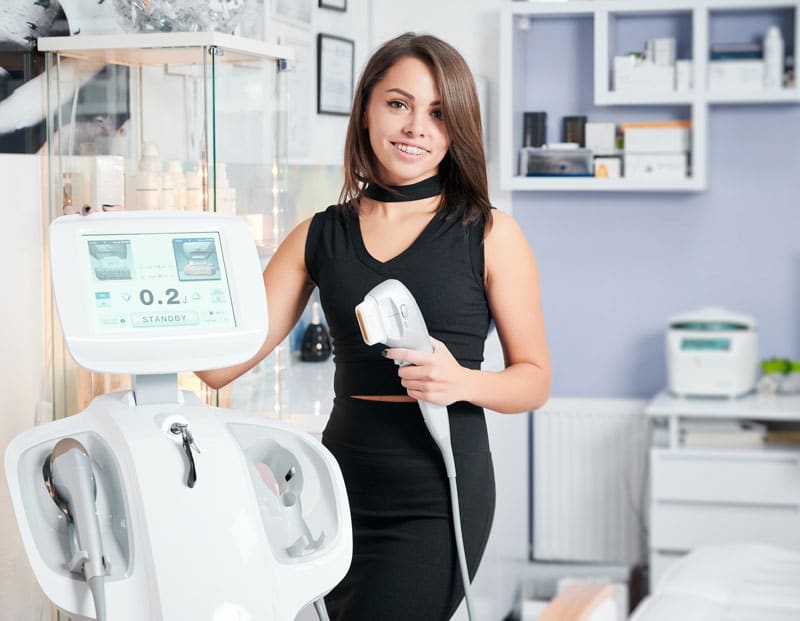
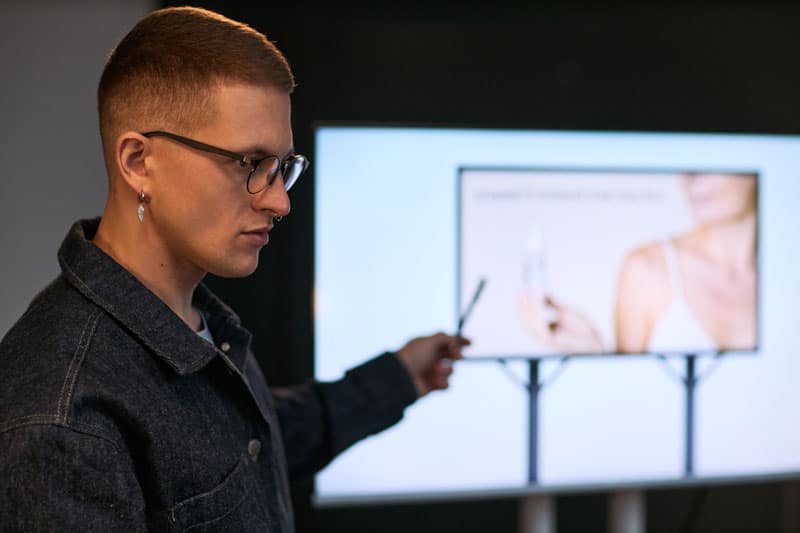
The Internet makes it easy to compare technical specifications, but a specification sheet cannot communicate the entire user experience. Seeing a device in operation makes it possible to observe:
- Preparation
- Treatment process
- Interface
- Ergonomics
- Noise
- Handling
- Treatment duration
- Consumables
- Actual involvement required from the professional
It also creates an opportunity to ask suppliers spontaneous questions. For professional buyers, being able to compare several technologies and demonstrations within the same environment can be particularly valuable.
ESI Show: See, Compare and Question Technologies
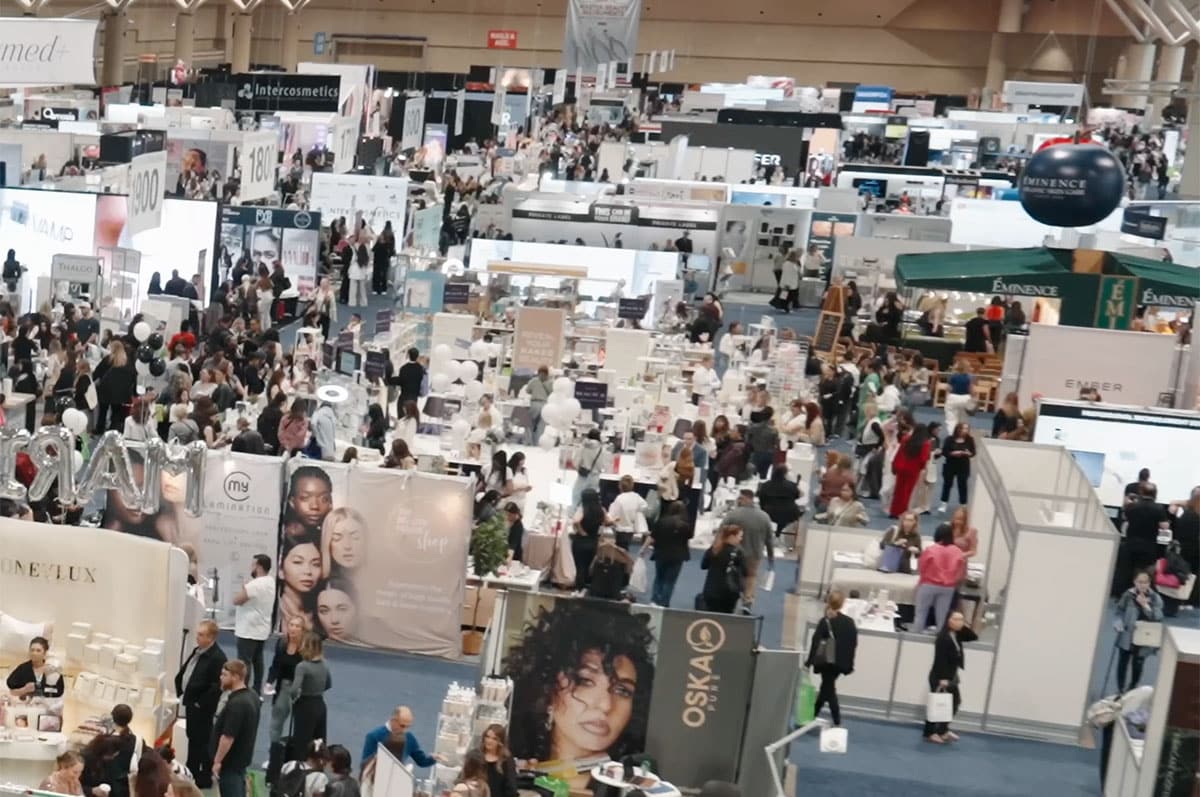
This is precisely one of the functions of a B2B event such as ESI Show. Professionals do not attend to receive a treatment. They attend to obtain information that can help them practise better, purchase more intelligently and manage their businesses more effectively.
Depending on their professional profile, the show can provide opportunities:
- For an esthetician to discover new techniques
- For a medical esthetics professional to deepen their understanding of a platform
- For a nurse or physician to examine technologies relevant to their professional environment
- For an owner to compare several suppliers
- For a manager to evaluate the costs, training and support associated with different equipment
Bringing manufacturers, distributors, educators and professionals together in the same environment transforms the show into a research and comparison tool. A clinic can discover a technology, attend a demonstration, meet the supplier, ask technical questions and compare different solutions before moving forward with a decision.
Medical Esthetics & Advanced Technologies: The Future Will Always Depend on Knowledge
Devices will continue to evolve. Platforms will become more versatile, parameters more customizable and new combinations of technologies will emerge. But increasing market sophistication does not reduce the importance of the professional: it increases it.
In medical esthetics and advanced technologies, true expertise means understanding what a technology can realistically accomplish, who it is appropriate for, what its limitations are and how it can be integrated into a responsible and profitable professional practice.
This is why continuing education, comparative analysis and direct contact with industry professionals are so important. ESI Show brings products, technologies, manufacturers, distributors, education, demonstrations and professionals together under one roof.
For practitioners and decision-makers alike, the objective is not to be the first to acquire every innovation. It is to become informed enough to determine which innovations truly deserve a place in their practice.
Get the latest news!
Subscribe to the ESI SHOW Newsletter