
Hygiene, Safety & Regulations
Professional standards, safety protocols and regulatory considerations for esthetics, medical aesthetics, spas & clinics
Professional beauty depends on something even more fundamental than products, treatments or technology: trust.
Clients trust practitioners and professional establishments to maintain appropriate environments, follow hygiene protocols, understand contraindications, operate equipment responsibly and provide services according to applicable professional and regulatory requirements.
For estheticians, medical-aesthetic professionals, spa and clinic owners, managers and educators, Hygiene, Safety & Regulations therefore represent much more than basic treatment-room procedures.
They are part of professional practice. They are part of staff training. They are part of operational management. And increasingly, they are part of business risk management.
As treatments and technologies become more sophisticated, professional responsibilities can increase with them.
The ESI Show Knowledge Centre brings together professional FAQs, educational articles and industry resources covering hygiene, sanitation, infection prevention, consultation, contraindications, equipment safety, documentation and regulatory considerations.
Because exceptional professional results should never come at the expense of responsible practice.

This content continues below our upcoming show overview…






Professional hygiene requires systems — Not good intentions
A clean treatment environment should not depend on which employee happens to be working.
Professional hygiene requires established procedures that can be understood, taught and repeated.
- Treatment surfaces.
- Tools.
- Equipment.
- Linens.
- Products.
- Reusable accessories.
- Waste.
- Hand hygiene.
Every element of the professional environment can become part of the system.
Businesses should establish clear procedures describing:
what needs to be processed, how, when, by whom and according to which requirements.
This is especially important when multiple professionals share treatment rooms or equipment.
Consistency transforms cleanliness from an individual habit into an organizational standard.
Start with our complete professional beauty guide
Looking for the bigger picture?
The Complete Guide to Professional Esthetics, Medical Aesthetics & the Beauty Industry in Canada brings together many of the subjects covered throughout the ESI Show Knowledge Centre.
Explore professional skincare, medical aesthetics, formulation science, skin concerns, equipment purchasing, safety, spa and clinic management, industry trends and professional development within one comprehensive resource.
It is an ideal starting point for professionals before moving into the Knowledge Centre’s specialized categories.

Cleaning, disinfection and processing need to be understood
Professional terminology matters. Cleaning generally involves removing visible material such as dirt, oils and product residue. Disinfection is a separate process intended to reduce or eliminate microorganisms according to the product and procedure being used. An object can appear perfectly clean without necessarily having been appropriately processed for professional reuse.
The appropriate procedure can depend on the item, its intended use, potential exposure and applicable professional requirements.
Practitioners should understand the difference.
Owners and managers should ensure that their teams understand it too.

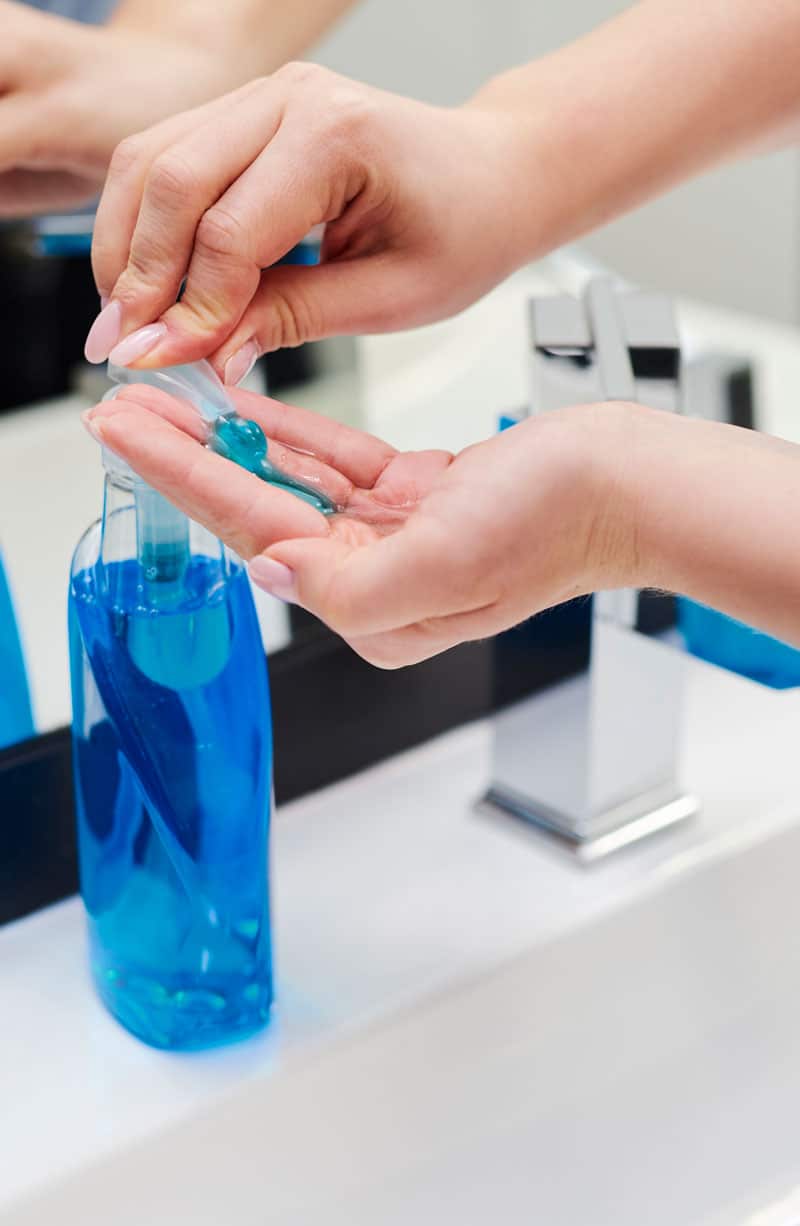
Hand hygiene remains fundamental
Sophisticated technology cannot compensate for poor basic hygiene.
Hands can transfer microorganisms between clients, equipment, products, tools and environmental surfaces.
Appropriate hand hygiene should therefore be integrated throughout professional services.
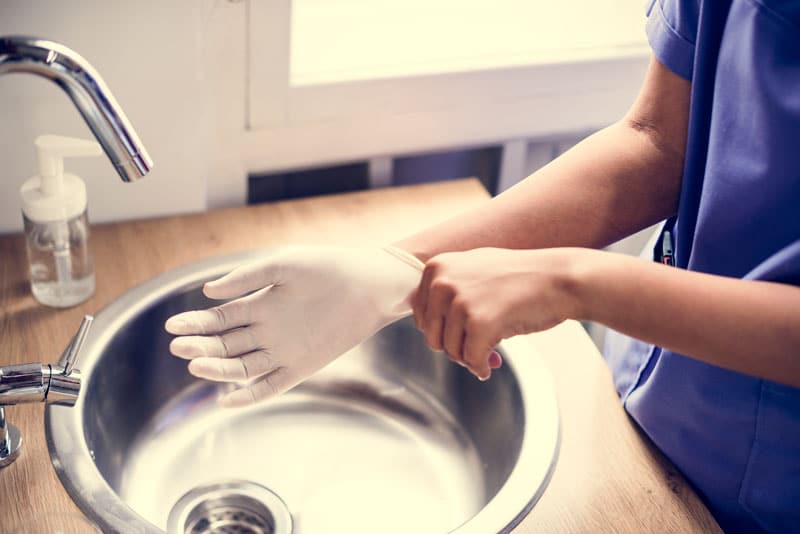
Professionals also need to understand that gloves do not automatically replace proper hand hygiene.
This may appear elementary.
But professional standards are often built upon elementary procedures performed correctly and consistently.

Personal protective equipment should match the procedure
Personal protective equipment should have a reason for being used.
Different treatments can involve different potential exposures and therefore different professional precautions.
Gloves or other PPE should be selected appropriately, used correctly, changed when necessary and disposed of or processed according to applicable procedures.
A gloved hand that touches a contaminated surface and then returns to the client can still create a contamination pathway.
The objective is not simply to wear PPE.
It is to understand how PPE fits within the complete safety protocol.

50 professional questions about hygiene, safety & regulations
- What is the difference between cleaning and disinfection?
- How can cross-contamination occur?
- When should single-use items be discarded?
- Why are consultation records important?
- How should contraindications affect treatment decisions?
- What should equipment-safety training include?
- How should professional qualifications be documented?
- What should owners consider when introducing a new technology?
Our collection of 50 Hygiene, Safety & Regulations FAQs provides concise answers to practical questions relevant to estheticians, medical-aesthetic professionals, owners, managers and other beauty-industry professionals.
Use the collection to investigate individual subjects or as a starting point for developing stronger professional standards.
Continue professional education at Esi Show
Professional safety improves when professional knowledge remains current.
ESI Show provides a dedicated B2B environment where estheticians, medical-aesthetic practitioners, spa and clinic owners, educators and other industry professionals can meet:
professional brands, manufacturers, distributors, technology providers and industry educators.
This interaction is particularly valuable when professionals are evaluating new products, treatments or equipment.
- Ask manufacturers about protocols.
- Discuss equipment training.
- Learn how professional products are intended to be used.
- Observe live demonstrations.
- Attend professional education.
- Question suppliers about maintenance and support.
- And speak directly with experienced industry representatives.
The objective is not simply to discover what is new.
It is to understand how products, treatments and technologies can be incorporated responsibly into professional practice.
ESI Show is a dedicated B2B trade show for beauty, esthetics and medical-aesthetics professionals and is not open to the general public.
Hygiene, safety & regulations: professional standards protect clients — and businesses
Professional safety is not one procedure. It is a system.
- Clean environments.
- Appropriate processing.
- Qualified practitioners.
- Thorough consultation.
- Contraindication awareness.
- Realistic communication.
- Accurate documentation.
- Maintained equipment.
- Appropriate insurance.
- Staff training.
- Emergency procedures.
- Clear professional boundaries.
Understanding Hygiene, Safety & Regulations therefore means more than following individual rules.
It means building professional standards into everyday operations.
As aesthetic treatments become more sophisticated and technologies continue to advance, these fundamentals become more important—not less.
- Learn the procedures.
- Understand the responsibilities.
- Document the standards.
- Train the team.
- Know the professional limits.
- Review the systems.
- And keep professional education current.
Because every advanced treatment, sophisticated technology and successful beauty business still depends on one fundamental responsibility:
protecting the client who trusted a professional to provide it.
Explore Our Hygiene, Safety & Regulations Knowledge Centre
Treatment-Room Turnover Should Be Standardized
Busy schedules create operational pressure.
That pressure should not change hygiene standards.
- Beds.
- Counters.
- Handles.
- Machines.
- Trolleys.
- Lamps.
- Bowls.
- Applicators.
- Frequently touched surfaces.
Businesses can benefit from establishing written treatment-room turnover procedures to ensure important steps are completed consistently between clients.
Scheduling should also allow sufficient time for those procedures.
If a clinic routinely books appointments so tightly that professionals cannot properly turn over treatment rooms, the issue is no longer simply employee behaviour.
It is an operational-management problem.
Reusable and Single-Use Items Require Different Systems
Reusable tools create an obvious professional responsibility, they need to be appropriately processed before another client.
The required method depends on the item, its use and applicable standards.
Businesses also need sufficient quantities of reusable tools so employees are not pressured into shortening procedures simply because another appointment is waiting.
Single-use products create a different rule. Single-use means single-use.
Where applicators, blades, cartridges or other items are intended for one use, they should be handled according to manufacturer instructions and applicable professional requirements.
Reusing disposables to reduce treatment cost is not an acceptable profitability strategy.
Professional safety belongs in the cost of delivering the service.
Product Handling Is Part of Professional Hygiene
Professional hygiene does not stop with surfaces and tools. Products also require appropriate handling.
Repeated finger contact with jars, returning used applicators to containers or allowing dispensing openings to contact contaminated surfaces can compromise products.
Professional environments should establish appropriate dispensing and storage procedures. Manufacturer instructions regarding storage, handling and usable life
should also be incorporated into practice. A premium professional formulation deserves premium professional handling.
Cross-Contamination Requires Thinking About Workflow
Cross-contamination is not limited to one obviously dirty object.
It can travel through a treatment environment.
- Hands.
- Gloves.
- Handles.
- Tools.
- Containers.
- Equipment.
- Linens.
Imagine a practitioner touching a drawer handle while wearing contaminated gloves. The gloves are discarded. Later, clean hands touch the same handle.
That illustrates why professional hygiene requires understanding workflow, not simply individual objects.
Owners and practitioners should consider how people, equipment and materials move through the environment.
Consultation Is a Professional Safety Tool
Consultation is not simply a sales conversation or a way to determine which treatment a client wants.
It is part of professional risk assessment.
Relevant information can include previous treatments, reactions, medications, allergies, medical conditions, recent procedures, pregnancy, current skincare and other factors depending on the service.
This information can influence treatment selection, parameters, postponement or referral.
A strong consultation supports better professional decisions while helping protect both the client and practitioner.
Contraindications Can Override the Appointment
A contraindication may make a treatment inappropriate, require modification, require postponement or indicate professional referral.
Some contraindications are temporary. Others may exclude a particular procedure entirely.
The important professional principle is simple: the fact that an appointment has been booked does not mean the treatment must be performed.
Professional judgment sometimes means saying: “This treatment is not appropriate today.”
That decision is not a failed appointment. It is professional practice.
Knowing When to Refer Is Part of Professional Expertise
Beauty professionals develop expertise within their professional scope.
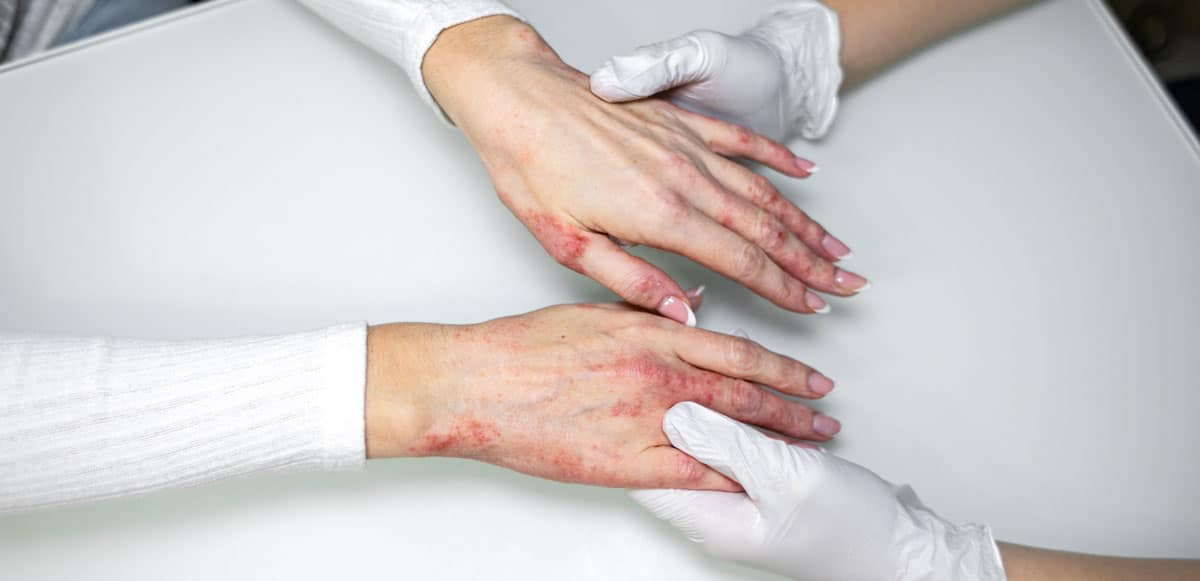
But not every visible concern belongs in an esthetics treatment room.
- Unusual lesions.
- Signs of infection.
- Severe inflammation.
- Unexplained reactions.
- Other concerning presentations.
Professionals should not feel pressured to diagnose conditions outside their qualifications.
Recognizing when assessment by an appropriately qualified healthcare professional may be warranted protects the client and reinforces professional boundaries.
Knowing when not to treat is part of knowing how to treat professionally.
Client Records Create Professional Continuity
Memory is not a documentation system.
Professional records can include consultation information, treatments performed, products used, relevant equipment settings, client response and aftercare recommendations. Documentation becomes increasingly important as treatments become more sophisticated.
It can also support continuity when several professionals treat the same client, a client returns after an extended period, a reaction occurs or previous treatment parameters need to be reviewed.
For owners and managers, recordkeeping should therefore be approached as an organizational procedure, not simply an individual practitioner preference.
Informed Consent Requires Communication
A signature is not automatically informed consent.
Clients should understand what treatment is being recommended, why, what they can reasonably expect and what relevant risks or limitations may apply.
Depending on the procedure, discussion may include expected sensations, potential reactions, downtime, aftercare, alternatives and possible risks.
Documentation matters. But so does professional communication. A strong consent process combines both.
Managing Expectations Is Also Risk Management
Professional safety includes responsible communication.
Overpromising results can create unrealistic expectations and poor decision-making.
Terms such as: “guaranteed,” “permanent,” “risk-free,” “instant” and “miracle”
should be treated carefully in professional marketing and consultations.
- Individual response varies.
- Before-and-after results vary.
- Treatment programs vary.
Responsible communication protects professional credibility and helps clients make more informed decisions.
Strong marketing and realistic expectations can coexist.
Equipment Safety Begins Before the First Treatment
Professional aesthetic technologies can deliver increasingly sophisticated results.
They also create additional responsibilities.
Before introducing equipment, businesses should determine:
- Who can appropriately operate it?
- What training is required?
- What contraindications apply?
- What safety procedures are necessary?
- What maintenance is required?
- What ongoing education is available?
- Who provides technical support?
A sales demonstration should never be confused with comprehensive professional training.
The sophistication of the equipment should never exceed the competence of the people operating it.
Manufacturer Protocols Belong in Professional Procedures
Experience is valuable.
But experience with one machine or product does not automatically transfer to another.
Manufacturer instructions may address operation, maintenance, cleaning, storage, consumables, treatment parameters, protective equipment and contraindications.
These instructions should be incorporated into professional procedures.
This is especially important when a business operates multiple technologies from different manufacturers.
“That’s how we’ve always done it” is not a substitute for current device-specific information.
Equipment Maintenance Is Both Financial and Professional
Maintenance protects an investment.
It can also protect clients.
- Worn components.
- Damaged cables.
- Malfunctioning handpieces.
- Poorly maintained systems.
Equipment should not remain in service simply because appointments are scheduled.
Businesses should establish procedures for reporting problems, documenting maintenance and removing questionable equipment from use until appropriately evaluated.
Maintenance therefore belongs to both: equipment management and professional safety management.
Get the latest news!
Subscribe to the ESI SHOW Newsletter

Past Events
Watch our exhibitor testimonials