
Skin Types & Skin Conditions
Professional knowledge for skin analysis, client assessment, treatment planning and personalized skincare
Every professional skincare treatment begins before the first product is applied. It begins with understanding the skin.
For estheticians, skincare professionals and medical-aesthetic practitioners, identifying Skin Types & Skin Conditions is one of the foundations of professional practice.
- Normal.
- Dry.
- Oily.
- Combination.
- Dehydrated.
- Sensitive.
- Acne-prone.
- Pigmented.
- Reactive.
- Mature.
These terms may describe very different characteristics—and they should not automatically be treated as interchangeable.
A client can have oily skin that is dehydrated. Dry skin that experiences breakouts. Combination skin with sensitivity. Pigmentation alongside visible signs of aging.
And the same client’s skin can present differently according to season, hormones, lifestyle, medication, environment, skincare routine and previous professional treatments.
This is why professional skin analysis matters.
The objective is not simply to place every client into a category.
It is to understand what the skin is presenting, which factors may be influencing it, what falls within the professional’s scope and how that information should influence treatment and product selection.
The ESI Show Knowledge Centre brings together professional resources designed to help beauty-industry practitioners strengthen their understanding of Skin Types & Skin Conditions and apply that knowledge to consultation, treatment planning and professional skincare recommendations.
Because personalization begins with assessment.
Before deciding what to treat, the professional needs to understand what they are looking at.

This content continues below our upcoming show overview…
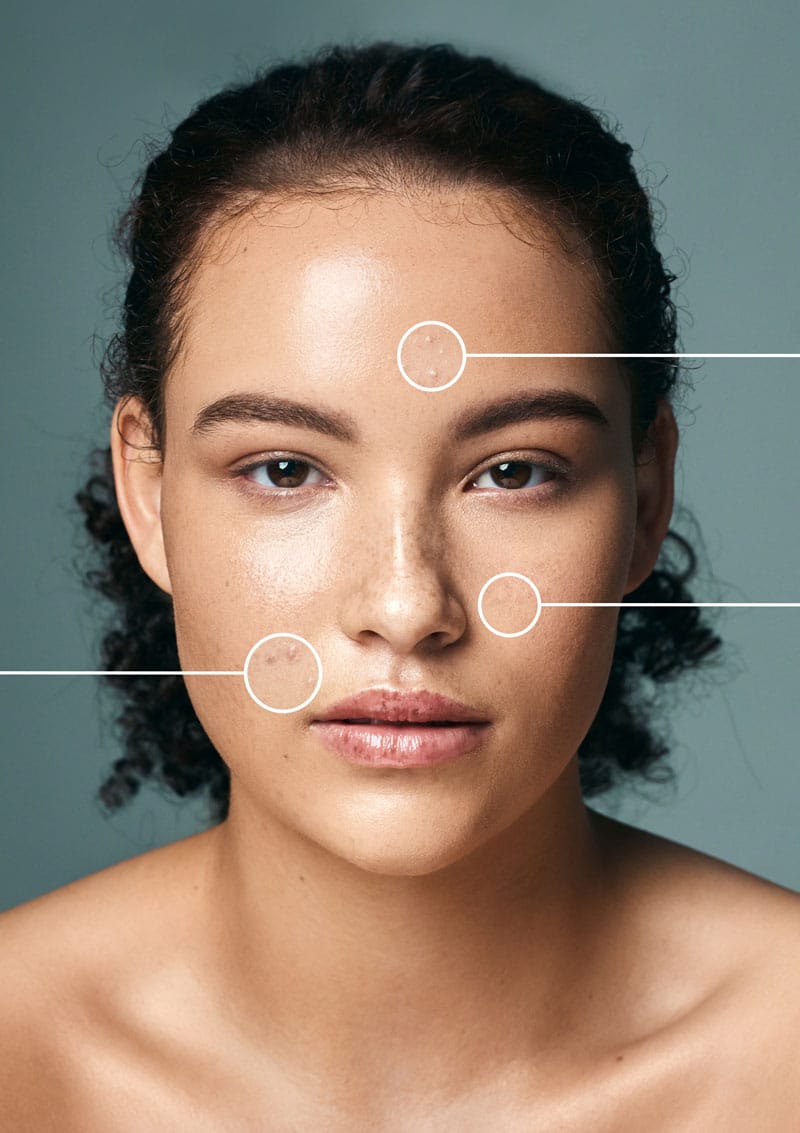








Skin type and skin condition are not the same thing
This is one of the most important distinctions in professional skincare.
A skin type generally describes the skin’s underlying characteristics.
Common classifications include normal, oily, dry and combination.
A skin condition, on the other hand, describes something the skin is currently experiencing or presenting.
Examples can include dehydration, sensitivity, acne, pigmentation, redness or visible signs of aging.
The distinction matters because conditions can occur across different skin types.
- Oily skin can become dehydrated.
- Dry skin can experience acne.
- Combination skin can become sensitized.
- A professional should therefore avoid reducing the entire assessment to:
“This client has oily skin.”
That is only the beginning of the analysis.
Start with our complete professional beauty guide

Looking for the bigger picture?
The Complete Guide to Professional Esthetics, Medical Aesthetics & the Beauty Industry in Canada brings together many of the subjects covered throughout the ESI Show Knowledge Centre.
Explore professional skincare, medical aesthetics, formulation science, skin concerns, equipment purchasing, safety, spa and clinic management, industry trends and professional development within one comprehensive resource.
It is an ideal starting point for professionals before moving into the Knowledge Centre’s specialized categories.
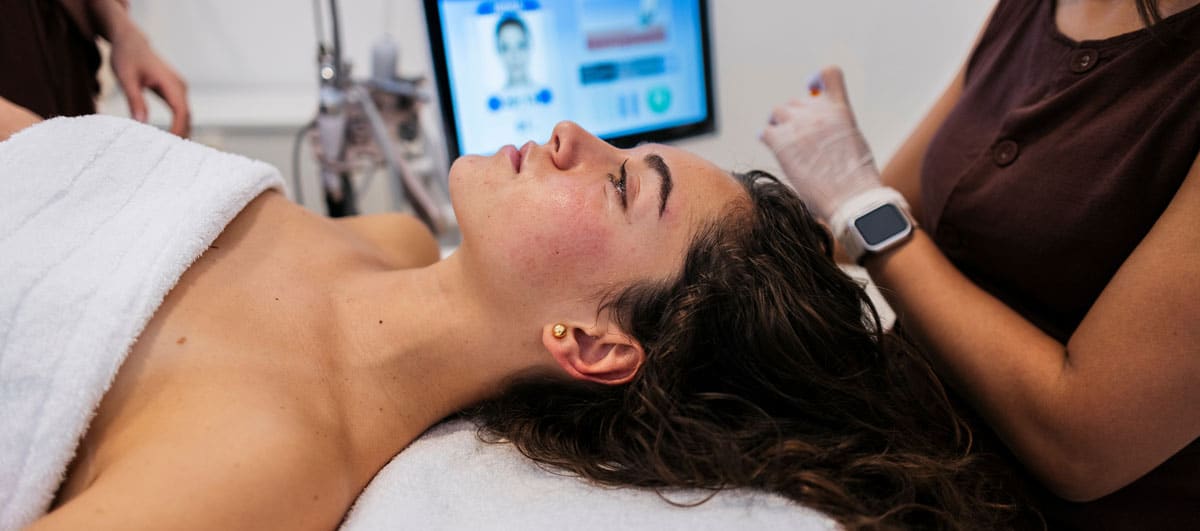
Professional skin analysis creates the foundation
Skin analysis should guide treatment selection, product choice, treatment intensity and home-care recommendations.
A professional assessment may consider oil production, pore appearance, hydration, texture, pigmentation, sensitivity, visible lesions, barrier condition and other observable characteristics.
But visual examination is only part of the process.
Consultation provides context.
- What products is the client currently using?
- Have they recently received another treatment?
- Are they experiencing sensitivity?
- Has something changed recently?
- What are their primary concerns?
- What are their expectations?
The skin provides information.
The consultation helps the professional interpret it.

Skin type should guide — Not dictate treatment
Knowing the client’s underlying skin type is useful.
But it should not become a rigid treatment formula.
Two clients with oily skin may require very different professional approaches.
One may present with congestion and excess sebum.
Another may have surface oil combined with significant dehydration and sensitivity.
Automatically performing the same “oily skin treatment” on both clients ignores the condition of the skin.
Professional treatment planning therefore requires:
classification + observation + consultation + judgment.

Normal skin still requires professional assessment
Normal skin is generally considered relatively balanced.
Oil production and hydration may be well regulated, with fewer obvious concerns.
But “normal” does not mean nothing to assess.
A client with balanced skin may still present with dehydration, pigmentation, early visible aging, sensitivity or seasonal changes.
Professional treatment can focus on maintenance, prevention, hydration, barrier support and other objectives according to assessment.
The professional should treat the current presentation, not simply the category.

50 professional questions about skin types & skin conditions
- What is the difference between skin type and skin condition?
- How should professionals identify dehydrated skin?
- Can oily skin also be sensitive?
- Can dry skin experience acne?
- How should combination skin influence treatment protocols?
- Why does barrier condition matter?
- How can climate influence the skin?
- How should professionals assess multiple simultaneous concerns?
- When should an esthetician refer a client?
Our 50 Skin Types & Skin Conditions FAQs explore practical professional questions involving:
skin classification, professional analysis, treatment suitability and client assessment.
Use the collection as a quick professional reference or continue into our deeper Knowledge Centre resources.
Develop your skin analysis knowledge at Esi Show
Skin analysis is one of the areas where professional education, products and technology intersect.
At ESI Show, estheticians and other beauty professionals can discover professional skincare formulations, explore skin-analysis technologies, attend education, observe live treatment demonstrations, compare professional products and speak directly with brands, educators and technology suppliers.
ESI Show’s professional environment also provides opportunities to see treatments and technologies demonstrated firsthand and discuss their applications directly with specialists.
For practitioners, the objective should not simply be discovering: “What’s new?”
Ask:
- How does this improve my assessment?
- Which skin conditions is this designed to support?
- How does it integrate into professional protocols?
- Which clients are appropriate?
- What training is available?
- How should results be evaluated?
- How does this improve what I can offer professionally?
Those questions transform product discovery into professional education.
ESI Show is a dedicated B2B trade show for beauty, esthetics and medical-aesthetics professionals and is not open to the general public.
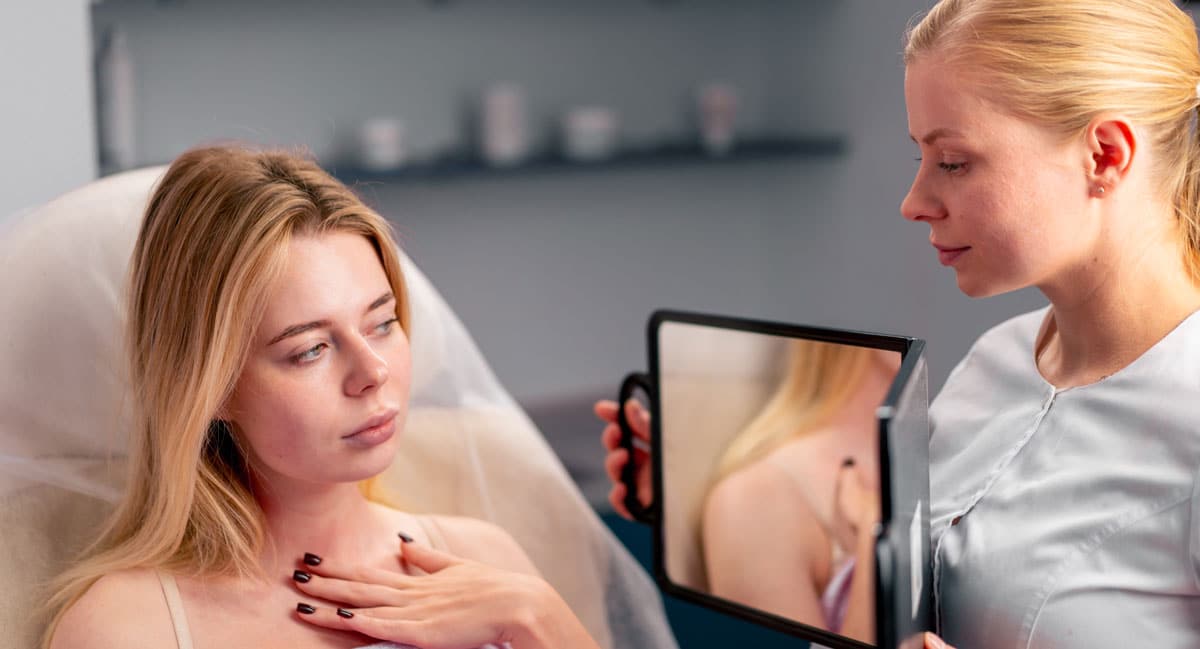
Skin Types & Skin Conditions: Assessment Comes Before Treatment
Professional skincare continues to become more sophisticated.
- More ingredients.
- More technologies.
- More devices.
- More treatment options.
- More active formulations.
But those advances make one fundamental professional skill even more important: understanding the skin in front of you.
- Identify the skin type.
- Observe current conditions.
- Evaluate barrier status.
- Understand the client’s concerns.
- Review relevant history.
- Consider home care.
- Identify contraindications.
- Recognize professional limitations.
- Establish priorities.
Then select the treatment. That sequence matters. Because the best serum is not the best serum for everyone.
The strongest peel is not the best peel for everyone. The newest technology is not the best technology for everyone. And sometimes the correct professional decision is not to treat at all.
Understanding Skin Types & Skin Conditions gives professionals the foundation they need to make those decisions intelligently.
Assessment comes before treatment.
And as professional skincare becomes increasingly advanced, that fundamental principle becomes more—not less—important.
Explore Our Skin Types & Skin Conditions Knowledge Centre
Oily Skin Is More Than Surface Shine
Oily skin generally produces greater amounts of sebum.
Professionals may observe shine, enlarged-looking pores, congestion or a greater tendency toward breakouts.
But the presence of oil should not automatically trigger aggressive cleansing or exfoliation.
Over-treatment can potentially contribute to irritation, sensitivity and barrier disruption.
The professional needs to determine:
- How oily is the skin?
- Where is oil production concentrated?
- Is congestion present?
- Is inflammation present?
- Is the skin also dehydrated?
- What products is the client using?
Oil production is one characteristic—not the entire professional assessment.
Dry Skin and Dehydrated Skin Need to Be Distinguished
Dry and dehydrated are frequently used as though they mean the same thing. Professionally, the distinction is useful.
Dry skin is generally associated with insufficient oil.
Dehydration relates to insufficient water.
This means dehydration can occur in dry, normal, combination and oily skin.
A client may therefore have visible oil production while simultaneously experiencing tightness, dullness or dehydration lines.
This distinction can significantly change product selection and treatment strategy.
Treating dehydrated oily skin as though the solution is simply to remove more oil may worsen the problem.
Combination Skin Requires Area-Specific Thinking
Combination skin presents different characteristics across different facial areas.
A common presentation includes greater oil production through the T-zone with drier or more balanced cheeks.
But combination skin can vary substantially.
Professional treatment may therefore need to be customized according to area.
- Different products.
- Different mask applications.
- Different exfoliation intensity.
- Different extraction strategies.
This is an excellent example of why professional skincare should not always apply the same product uniformly across the entire face.
One client can require several treatment decisions within the same protocol.
Sensitive Skin Requires Investigation
Sensitivity can present as redness, discomfort, stinging, reactivity or poor tolerance to certain products and treatments.
But professionals should also ask: Why is the skin sensitive?
- Is sensitivity characteristic of the client’s skin?
- Has the skin become temporarily sensitized?
- Is the client over-exfoliating?
- Using multiple active products?
- Has a recent professional procedure affected tolerance?
- Are environmental conditions contributing?
- Does the presentation suggest something outside the esthetic professional’s scope?
Understanding the context can help determine whether the appropriate strategy is treat, modify, postpone or refer.
Sensitized Skin May Be Different From Naturally Sensitive Skin
This distinction can be particularly useful during consultation.
Some clients describe having sensitive skin because their skin has always been reactive.
Others may have become sensitized due to over-exfoliation, aggressive products, inappropriate combinations, environmental exposure or previous procedures.
Those situations may require different professional thinking.
Instead of simply accepting “I have sensitive skin” as the final assessment, practitioners can investigate when sensitivity began, what triggers it and what changed.
The client’s description is important. Professional interpretation adds context.
The Skin Barrier Should Be Part of Every Assessment
Barrier function has become increasingly important within professional skincare.
The outermost layer of the skin helps retain moisture and protect against external stressors.
When barrier condition is compromised, the skin may present with dryness, tightness, sensitivity, irritation or increased reactivity.
Professional assessment should therefore consider whether the skin is ready for the treatment being proposed.
Sometimes the correct strategy is not more exfoliation. More actives. A stronger peel. Or another advanced procedure.
Sometimes the professional priority is: supporting the barrier first.
Acne-Prone Skin Requires More Than an “Oily Skin” Protocol
Acne can present across different skin types.
A client may have oily acne-prone skin. Combination acne-prone skin. Or even dry skin experiencing breakouts.
Professionals should consider the presentation rather than automatically equating acne with excess oil.
- Congestion.
- Blackheads.
- Whiteheads.
- Inflammatory lesions.
- Sensitivity.
- Post-acne pigmentation.
- Scarring.
These represent different considerations.
Professional assessment helps determine what belongs within an esthetic treatment strategy—and what may require referral or another level of professional care.
Blackheads and Whiteheads Represent Different Types of Congestion
Understanding lesion types helps professionals make more appropriate decisions during skin analysis.
Blackheads are open comedones.
Whiteheads are closed comedones.
Their appearance and characteristics differ, and not every visible imperfection should automatically be extracted.
Practitioners need to consider skin condition, inflammation, professional technique and whether manipulation is appropriate.
The objective is not to remove everything visible during one appointment.
Skin integrity remains the priority.
Redness Is an Observation — Not Automatically a Diagnosis
A professional may observe redness.
That does not necessarily explain why it is occurring.
Potential contributing factors may include sensitivity, environmental exposure, inflammation, recent treatment or other skin conditions.
Professionals should therefore distinguish between: what they observe and what they are professionally qualified to diagnose.
That distinction protects both professional scope and client care.
Persistent or medically concerning presentations may require referral to an appropriate healthcare professional.
Rosacea Requires Scope Awareness
Rosacea is a chronic inflammatory skin condition.
For esthetic professionals, understanding its general characteristics can help with:
consultation, treatment modification and recognizing when professional referral is appropriate.
The esthetician’s role is not to diagnose a medical condition.
Instead, practitioners should understand how known conditions can influence professional treatment decisions and when something falls outside their professional scope.
This distinction becomes particularly important as professional skincare and medical aesthetics increasingly overlap.
Eczema and Psoriasis Reinforce the Importance of Referral
Professionals may encounter clients with diagnosed skin conditions such as eczema or psoriasis.
They may also observe skin presentations they do not recognize.
The appropriate response is not to guess.
Practitioners should understand their professional scope, treatment contraindications and when referral is appropriate.
A strong professional does not need to personally solve every skin concern.
Recognizing when another professional should become involved is itself professional competency.
Pigmentation Requires Professional Investigation
Pigmentation is another broad visual category.
Hyperpigmentation can be associated with sun exposure, inflammation, acne, hormones or skin injury.
Different pigmentation presentations may therefore require different professional considerations.
Before selecting brightening products, exfoliation, peels or advanced technologies, the professional should understand as much as reasonably possible about the presentation and relevant history.
The visible dark spot is not necessarily the entire story.
Post-Inflammatory Pigmentation Matters Across Professional Treatments
Inflammation can contribute to pigmentation changes in certain clients.
That makes treatment intensity an important professional consideration.
Practitioners working with acne, exfoliation, peels, microneedling or energy-based technologies
need to understand how skin response and pigmentation risk may influence treatment selection.
This is also why professional knowledge needs to extend across diverse skin tones and phototypes.
Inclusive professional skincare begins with understanding that different skins may respond differently.
Skin Tone and Skin Type Describe Different Characteristics
Skin tone should not be confused with skin type.
A client with darker skin can have dry, oily, normal or combination skin.
The same is true for lighter skin.
Likewise, sensitivity, dehydration, acne and pigmentation can occur across a broad range of skin tones.
Professional assessment should therefore avoid assumptions based on appearance alone.
Skin type, skin condition and skin tone provide different pieces of professional information.
Get the latest news!
Subscribe to the ESI SHOW Newsletter

Past Events
Watch our exhibitor testimonials