
Medical Esthetics & Advanced Technologies
Professional intelligence on advanced aesthetic technologies, treatment applications, training and practice development
Medical esthetics has become one of the fastest-evolving sectors of the professional beauty industry.
Traditional esthetics remains essential, while today’s clinics, medi-spas and professional practices may also incorporate increasingly sophisticated technologies designed to address concerns involving skin texture, pigmentation, acne scarring, visible aging, body contouring and other aesthetic objectives.
- Laser.
- IPL.
- Radiofrequency.
- Microneedling.
- RF microneedling.
- LED phototherapy.
- Ultrasound.
- Advanced skin resurfacing.
- Body technologies.
- Combination platforms.
For estheticians, medical-aesthetic practitioners, nurses, physicians, spa and clinic owners, managers, educators and professional buyers, this evolution creates enormous opportunity.
It also creates greater responsibility.
Understanding Medical Esthetics & Advanced Technologies requires more than knowing what a device does.
Professionals need to understand how it works, where it fits, who can appropriately operate it, which clients may be suitable, what training is required, how it compares with alternative technologies and whether it makes professional and commercial sense for the practice.
The ESI Show Knowledge Centre brings these questions together to help industry professionals evaluate an increasingly complex medical-aesthetics landscape.

This content continues below our upcoming show overview…







Medical esthetics is expanding the professional treatment toolbox
Medical aesthetics generally encompasses more advanced aesthetic techniques, technologies and clinically oriented procedures. It does not necessarily replace traditional esthetics.
In many professional environments, the two increasingly complement one another. Professional skincare can support skin condition and treatment preparation.
Advanced technologies can target specific aesthetic objectives. Home-care strategies can support the overall treatment plan.
This creates opportunities for more sophisticated professional protocols.
But it also makes understanding professional boundaries increasingly important.
Different procedures may require different qualifications, training, professional oversight and regulatory considerations.
Medical aesthetics should therefore be understood as an expanding professional ecosystem, rather than simply a collection of advanced treatments.
Start with our complete professional beauty guide

Looking for the bigger picture?
The Complete Guide to Professional Esthetics, Medical Aesthetics & the Beauty Industry in Canada brings together many of the subjects covered throughout the ESI Show Knowledge Centre.
Explore professional skincare, medical aesthetics, formulation science, skin concerns, equipment purchasing, safety, spa and clinic management, industry trends and professional development within one comprehensive resource.
It is an ideal starting point for professionals before moving into the Knowledge Centre’s specialized categories.
Understand the mechanism — Not just the marketing name
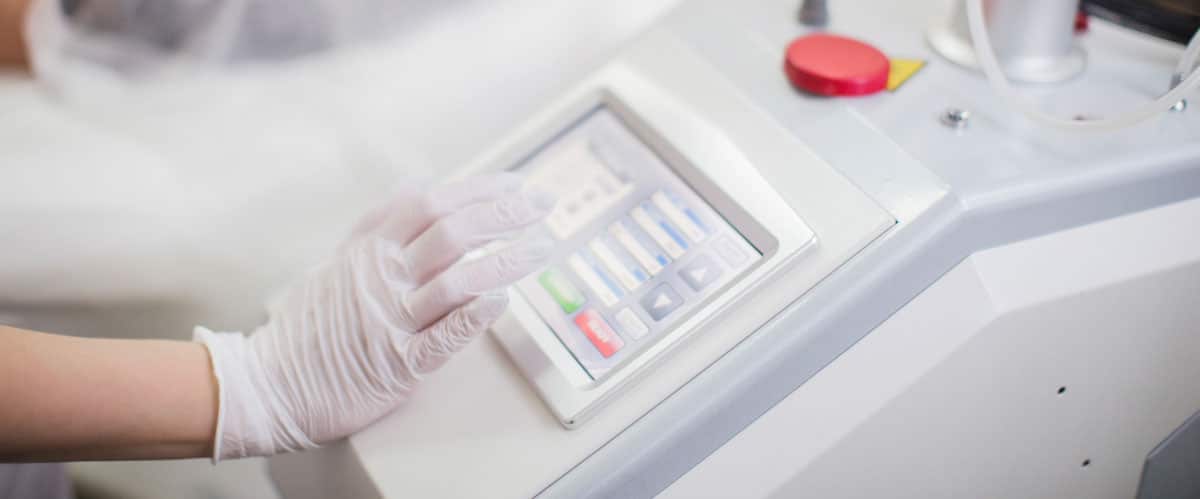
“Advanced technology” is not one category. Light-based technologies operate differently from thermal technologies. Mechanical treatments operate differently from ultrasound.
Even two machines described as radiofrequency devices may use substantially different methods of energy delivery.
Before evaluating a brand or device, professionals should understand:
- What mechanism is being used?
- At what level is it intended to work?
- What professional objective is it designed to address?
- What limitations does the modality have?
- What qualifications and safety procedures are associated with it?
This creates a much stronger foundation for evaluating individual systems.
Professional technology knowledge begins with understanding the mechanism—not memorizing the machine name.
Laser technology requires technology-specific knowledge
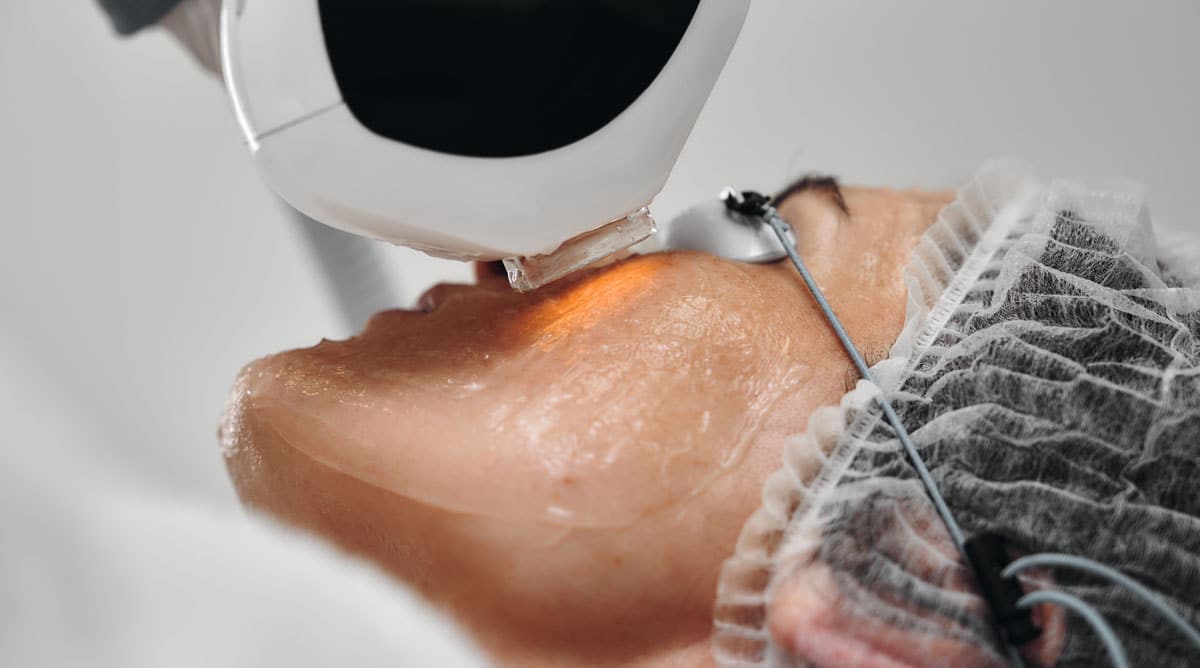
Laser is one of the most recognizable categories within medical aesthetics.
But the word laser alone tells the professional very little.
Different systems use specific wavelengths and may be designed for very different applications involving:
hair reduction, pigmentation, vascular concerns, resurfacing, texture and visible signs of aging.
For practitioners and buyers, the important questions concern the actual system.
- Which wavelength?
- Which indications?
- Which contraindications?
- Which phototypes?
- Which safety requirements?
- Which professional qualifications?
- What training?
- What maintenance?
- What treatment parameters?
A clinic should never evaluate a laser simply because it is a laser.
The specific technology determines its professional application.
Ipl and laser should not be treated as interchangeable
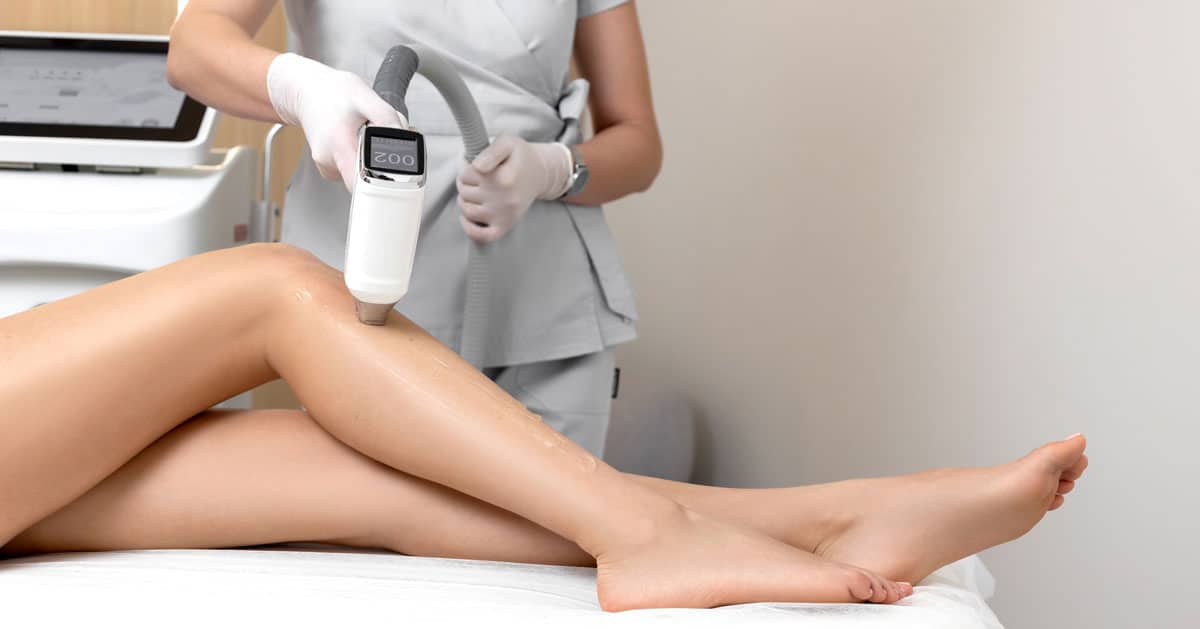
Clients may use the terms IPL and laser interchangeably. Industry professionals should not.
IPL uses broad-spectrum light and may be incorporated into professional strategies involving pigmentation, vascular appearance, photodamage or hair reduction depending on the system.
Laser technology operates differently.
For practitioners, understanding the distinction supports appropriate consultation, treatment selection and professional communication.
For professional buyers, the distinction becomes even more important.
The question is not:“Should we buy IPL or laser?”
It is: “Which technology best supports the treatments, clientele and professional capabilities of our practice?”

50 professional questions about medical esthetics & advanced technologies
- What distinguishes IPL from laser?
- How should RF technologies be compared?
- What should professionals understand before introducing microneedling?
- How does RF microneedling differ from conventional microneedling?
- What should clinics consider when evaluating advanced equipment?
- Why is client selection important?
- How should professional training be evaluated?
- What role does supplier support play?
Our 50 Medical Esthetics & Advanced Technologies FAQs provide concise professional answers covering technologies, professional responsibilities, treatment strategy, education and practice development.
Use the collection to investigate individual technologies or as a starting point when researching new treatment categories.
VIEW ALL 50 MEDICAL ESTHETICS & ADVANCED TECHNOLOGIES FAQs →
Compare medical-esthetic technologies at Esi Show
This category has a particularly strong connection with the ESI Show B2B environment.
Online research can help professionals understand a technology.
Seeing it operate and speaking directly with the people behind it creates another level of professional evaluation.
ESI Show brings together medical-aesthetic professionals, estheticians, nurses, physicians, spa and clinic owners, professional buyers, manufacturers, distributors and industry educators.
For practitioners and decision-makers, this creates opportunities to see equipment firsthand, watch live demonstrations, compare technologies, meet suppliers, ask about training, investigate treatment protocols, discuss equipment investment and attend professional education.
Owners evaluating a significant technology purchase can also use the event to compare multiple manufacturers within one professional environment.
- Bring your treatment objectives.
- Bring your technical questions.
- Bring your business questions.
And ask suppliers to explain not only what their technology does—but where it belongs within a professional practice.
ESI Show is a dedicated B2B trade show for beauty, esthetics and medical-aesthetics professionals and is not open to the general public.
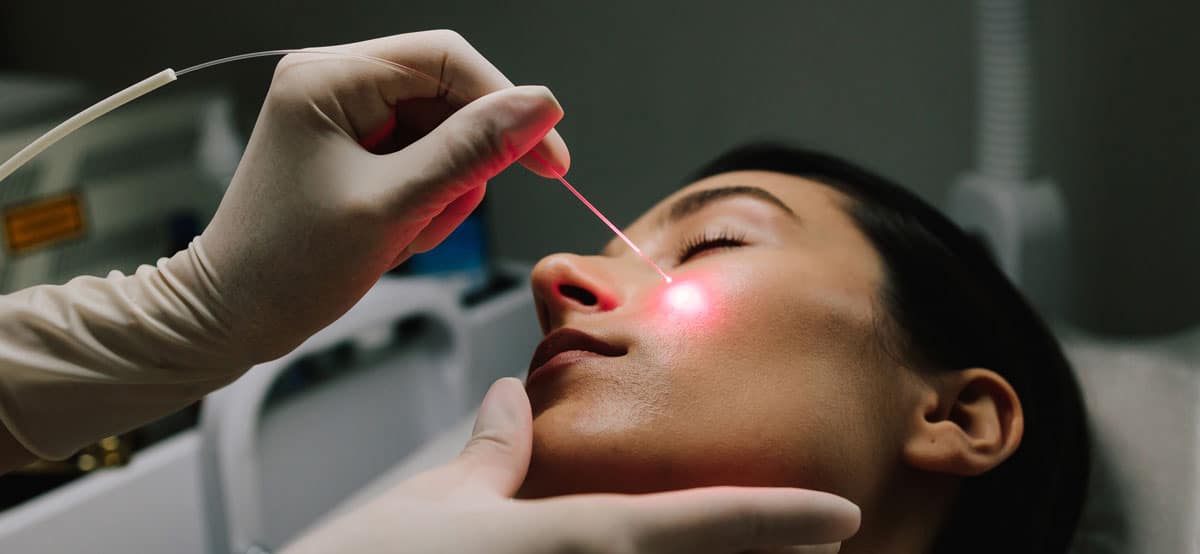
Medical esthetics & advanced technologies: innovation requires professional intelligence
The possibilities created by Medical Aesthetics & Advanced Technologies continue to expand.
- Laser.
- IPL.
- Radiofrequency.
- Microneedling.
- RF microneedling.
- LED.
- Ultrasound.
- Body technologies.
- Advanced resurfacing.
- Combination platforms.
Each provides additional professional possibilities. But technology should never become the objective.
Better professional treatment is the objective.
- Understand the concern.
- Assess the client.
- Select the appropriate modality.
- Understand its limitations.
- Verify professional qualifications.
- Apply appropriate safety protocols.
- Document treatment.
- Establish realistic expectations.
- Evaluate results.
- And continue learning as technology evolves.
The most advanced clinic is not necessarily the one with the greatest number of machines.
It is the practice that understands why each technology is there, who it is appropriate for, how professionals should use it and how it contributes to a coherent treatment and business strategy.
That is where advanced technology becomes truly valuable.
Not when the machine enters the clinic.
When professional knowledge turns that technology into informed practice.
Explore Our Medical Esthetics & Advanced Technologies Knowledge Centre
Radiofrequency Represents a Broad Technology Category
Radiofrequency uses energy to create controlled heating within targeted tissue. Different RF systems may be designed for facial or body applications involving firmness, texture or rejuvenation.
But RF platforms can vary considerably.
- Depth.
- Energy delivery.
- Handpieces.
- Temperature monitoring.
- Treatment protocols.
- Consumables.
Professional buyers should therefore avoid assuming that every RF system provides equivalent capabilities simply because the same technology category appears in the marketing.
Compare the actual platforms. Understand what differentiates them. Then determine whether those differences have practical value within the professional setting.
Microneedling Requires More Than Device Operation
Microneedling has become an important professional treatment strategy involving texture, visible aging and certain types of acne scarring.
But professional microneedling is not simply a device moving needles across the skin.
Appropriate application requires knowledge of client selection, skin condition, treatment depth, hygiene, contraindications, device operation and aftercare.
The technology has also continued to evolve.
Different devices, cartridges and treatment approaches can create different professional considerations.
For practitioners, this makes education essential.
For owners, it makes training quality and protocol development part of the technology investment.
RF Microneedling Illustrates the Growth of Combination Modalities
RF microneedling combines mechanical microneedling with controlled radiofrequency energy.
This reflects a broader direction within advanced aesthetics: combination technology.
Equipment manufacturers increasingly integrate multiple mechanisms into single treatment platforms.
That can expand professional possibilities. But additional capability can also mean additional complexity.
- Parameters.
- Depth.
- Energy.
- Client selection.
- Contraindications.
- Training.
- Safety.
Professional buyers should therefore resist assuming that a more sophisticated platform is automatically a better investment.
More technology is valuable only when the professional team can use it appropriately and the practice has a reason to offer it.
LED Shows That Advanced Does Not Necessarily Mean Aggressive
Advanced aesthetics is sometimes associated with increasingly intense procedures.
LED phototherapy provides a useful counterexample. Different wavelengths can be incorporated into professional skincare protocols depending on the intended application. LED may also complement other professional treatments while remaining non-invasive.
This illustrates an important industry principle: advanced technology is not defined by aggressiveness.
Its value can come from treatment flexibility, protocol integration, client suitability and the ability to complement existing services.
Professionals should evaluate technologies according to their practical role within a treatment strategy—not simply their intensity.
Ultrasound Adds Another Professional Modality
Ultrasound technologies provide another mechanism within professional aesthetics.
Depending on the platform, systems may be developed for different facial or body applications.
This growing variety creates opportunity. It also creates a purchasing challenge.
A clinic does not necessarily need laser + IPL + RF + ultrasound + LED + every new technology entering the market.
It needs a coherent technology portfolio.
Each platform should answer a professional question: What does this allow us to do that our existing treatment offering cannot already accomplish effectively?
Body Technologies Require Both Professional and Commercial Evaluation
Advanced aesthetics increasingly extends beyond facial treatments.
Body technologies can create opportunities around concerns involving shape, firmness and specific body areas.
But owners should evaluate these technologies from two perspectives: professional capability + commercial viability.
- What does the technology actually do?
- Which clients are appropriate?
- What training is required?
- What treatment time is involved?
- What consumables are necessary?
- How many sessions are typically involved?
- What is the equipment investment?
- What can the market realistically support?
A technologically impressive body platform can still become a poor investment if demand is insufficient to keep it operating.
Skin Resurfacing Requires Understanding Recovery as Well as Results
Professional resurfacing technologies continue to evolve.
Different approaches may address texture, superficial imperfections and visible signs of aging.
Some involve minimal downtime. Others can involve more significant recovery.
For practitioners, this means treatment selection needs to consider more than the desired outcome.
Professionals should also evaluate client lifestyle, tolerance for downtime, treatment history and realistic expectations.
For clinics, recovery requirements can also influence consultation, scheduling, aftercare and client communication.
The treatment’s professional value includes both what happens during the procedure and after the client leaves.
Acne and Acne Scarring Require Different Professional Strategies
Active acne and acne scarring are not the same professional concern. A client may initially require a strategy focused on active breakouts and skin condition.
Later, once that concern is better controlled, the professional conversation may shift toward texture, residual marks or scarring.
That can introduce discussions around microneedling, RF microneedling, resurfacing or other approaches depending on professional assessment.
The important principle is sequencing.
Treat what is professionally relevant now. Reassess. Then determine the next appropriate step.
Technology should enter the protocol because there is a professional reason for it—not simply because the clinic owns the device.
Pigmentation Requires Assessment Before Technology Selection
Pigmentation can have different origins.
- Sun exposure.
- Inflammation.
- Acne.
- Hormonal factors.
- Skin phototype.
- Other variables.
These differences matter when advanced technologies are being considered. Professionals should understand the concern and the skin before selecting the modality.
A powerful device does not compensate for poor assessment. This becomes particularly important when working with energy-based technologies.
Inclusive Medical Esthetics Requires Professional Competency
Professional aesthetics serves diverse populations.
Different skin tones and phototypes can respond differently to inflammation, pigmentation and certain energy-based treatments.
Education should reflect that reality. Practitioners need appropriate knowledge.
Clinic owners should evaluate whether their technology portfolio can safely and effectively serve their clientele.
Professional buyers should question suppliers about phototypes, training, protocols, device parameters and available clinical education.
Inclusivity in medical aesthetics is not simply a marketing statement.
It is part of professional capability.
Non-Invasive and Minimally Invasive Technologies Continue to Expand
Demand for treatments offering visible improvements with limited or manageable downtime has influenced medical-aesthetic innovation.
This has contributed to continued development involving radiofrequency, LED, ultrasound, light-based technologies, advanced facial systems, microneedling and other modalities.
For clinics, this creates opportunities to develop progressive treatment programs. But market demand should be interpreted professionally. A popular treatment category does not automatically justify a new equipment purchase.
Professionals should determine what clients are actually requesting, which concerns are being presented and whether existing technologies already address those needs.
Market awareness should inform professional strategy—not dictate it.
Combination Treatment Requires Strategy
Professional treatment programs increasingly integrate technology, professional skincare and appropriately selected home care.
Different technologies may also be used at different stages of a treatment strategy.
But combination treatment should not become: “How many things can we add?”
Every component needs a reason.
- What is this treatment addressing?
- Why is it being performed at this stage?
- How does it complement the previous or following procedure?
- Does it improve the professional strategy?
The quality of an advanced protocol should be measured by its logic.
Not by its length.
Consultation Becomes More Important as Technology Advances
Advanced equipment does not reduce the importance of professional consultation. It increases it.
- What does the client want to address?
- What is the treatment history?
- Which products are being used?
- How much downtime is acceptable?
- Are contraindications present?
- Are expectations realistic?
- Is this particular technology appropriate?
A strong consultation transforms a machine-based service into a professionally selected treatment.
That distinction is fundamental to medical esthetics.
Client Selection Protects Both Outcomes and Professional Standards
Not every client is appropriate for every technology.
- Sometimes the professional decision is proceed.
- Sometimes modify the protocol.
- Sometimes postpone.
- And sometimes refer or recommend another approach.
A practice should never attempt to fit every client into the equipment it owns.
The technology needs to fit the client—not the other way around.
Get the latest news!
Subscribe to the ESI SHOW Newsletter

Past Events
Watch our exhibitor testimonials