Career Paths in Esthetics & Beauty Industry
Explore professional career development, specialization and opportunities across esthetics, medical esthetics and the beauty industry
A career in professional beauty can begin in the treatment room. It does not have to remain there.
Esthetics can lead to professional skincare, medical aesthetics, spa and clinic management, education, equipment training, professional sales, brand representation, distribution, product development, marketing, entrepreneurship and many other areas of the industry.
Understanding Career Paths in Esthetics & Beauty Industry means recognizing that professional experience can evolve in many directions.
Some professionals build long-term careers treating clients. Others specialize. Some move into advanced technologies. Others become managers, educators, trainers, sales representatives, distributors or business owners. And many combine several of these roles throughout their careers.
The ESI Show Knowledge Centre brings together professional articles, FAQs and industry resources designed to help students entering the profession, estheticians, medical-aesthetic professionals and experienced beauty-industry participants understand the opportunities available across this increasingly diverse B2B industry.

This content continues below our upcoming show overview…





Professional education is the beginning of a career
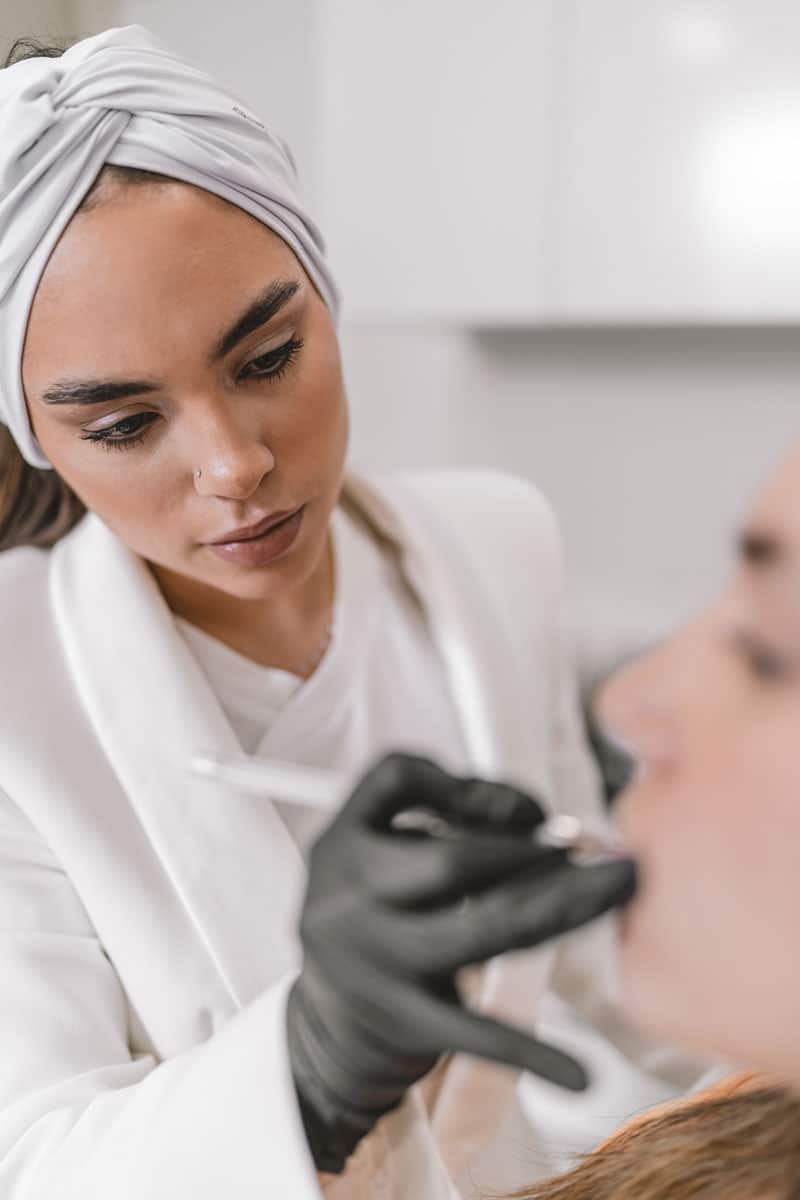
For many professionals, the journey begins with formal esthetics education. Training in skin, treatments, products, hygiene, consultation and professional practice creates the foundation for entering the industry. But graduation should not represent the end of professional education.
- Ingredients evolve.
- Technologies advance.
- Treatment protocols change.
- Client expectations increase.
- Regulations and professional responsibilities evolve.
- New business models appear.
Continuing professional development allows practitioners to expand their capabilities and explore opportunities that may not have been part of their original career plan.
A first professional position should therefore be viewed as exactly that: the first step—not necessarily the final destination.
Start with our complete professional beauty guide

Looking for the bigger picture?
The Complete Guide to Professional Esthetics, Medical Aesthetics & the Beauty Industry in Canada brings together many of the subjects covered throughout the ESI Show Knowledge Centre.
Explore professional skincare, medical aesthetics, formulation science, skin concerns, equipment purchasing, safety, spa and clinic management, industry trends and professional development within one comprehensive resource.
It is an ideal starting point for professionals before moving into the Knowledge Centre’s specialized categories.
Professional skincare specialization
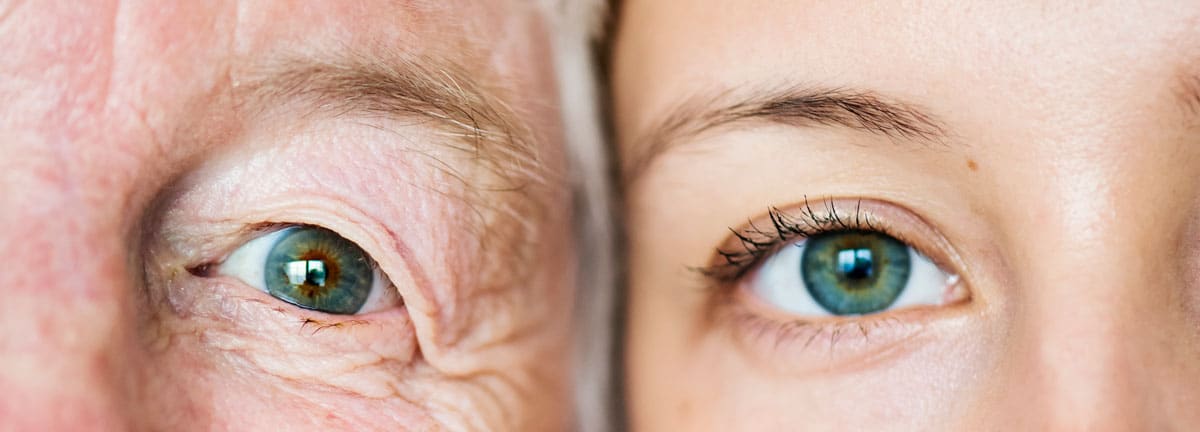
Some estheticians choose to develop deeper expertise in professional skincare.
This may involve advanced knowledge of skin types, skin conditions, active ingredients, formulation science, professional treatments and longer-term treatment planning. Practitioners may develop particular expertise around acne, pigmentation, dehydration, sensitivity, texture or visible aging.
Specialization can strengthen professional positioning. Instead of simply offering another facial, the practitioner develops expertise around assessment, treatment selection and professional skincare strategy.
For professionals fascinated by skin science and formulations, specialization can create opportunities within both clinical practice and the broader skincare industry.
Education can become a professional career
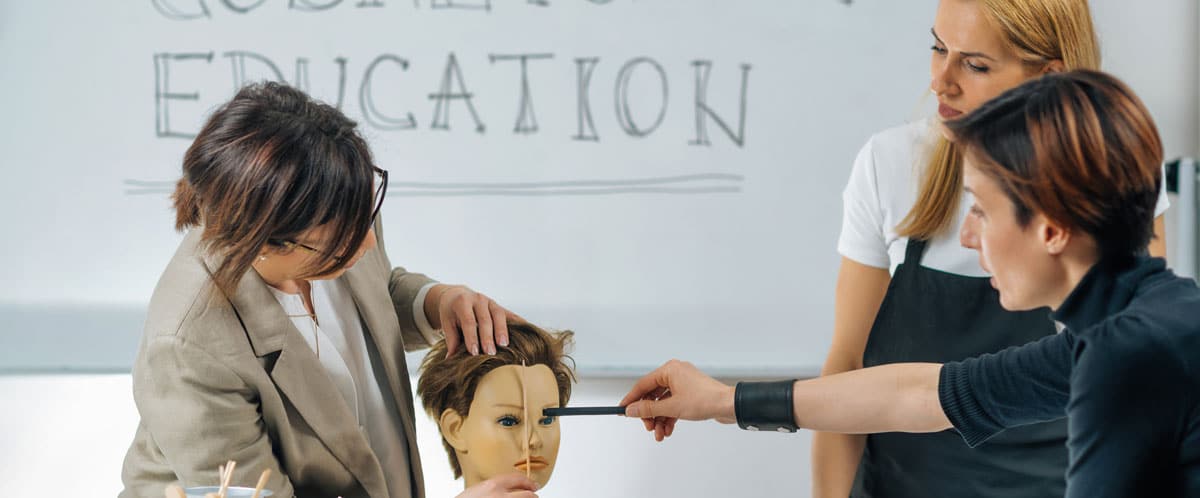
Experienced practitioners frequently discover that they enjoy teaching as much as performing treatments.
Education can include teaching in esthetics schools, providing manufacturer training, delivering continuing-education programs, training clinic teams, demonstrating equipment, speaking at professional events and mentoring newer practitioners.
Industry educators need more than technical ability.
They need to explain what, how and why.
The ability to translate complex information into knowledge another professional can understand and apply is a specialized skill.
For experienced practitioners, education can become an important second phase of a career.
Professional sales & brand representation
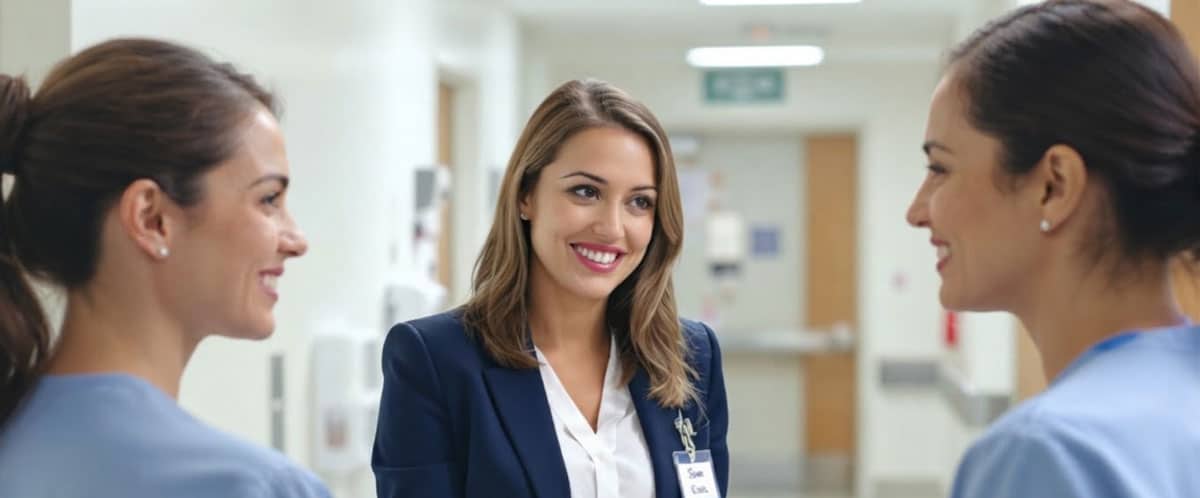
The professional beauty industry depends on knowledgeable people to represent products and technologies.
- Skincare companies.
- Equipment manufacturers.
- Distributors.
- Professional cosmetic brands.
- Medical-aesthetic technology companies.
- Industry suppliers.
Practitioners with treatment-room experience can bring considerable credibility to professional sales. They understand how products are used, how treatments operate, what owners need and which questions practitioners actually ask. Brand representation can combine sales, education, customer support, account management and business development.
One day may involve explaining formulations to an esthetician. Another may involve discussing margins with a clinic owner. Another may involve demonstrating products at a professional trade show.
For professionals who enjoy communication and relationship-building, this can create an entirely different career trajectory.

50 professional questions about careers in beauty
- What career opportunities exist beyond performing treatments?
- Can esthetics experience lead to medical aesthetics?
- How can an experienced practitioner become an educator?
- Which skills are important for spa and clinic management?
- Can treatment-room experience lead to professional sales?
- What career opportunities exist with brands and distributors?
- When does entrepreneurship make sense?
Our 50 Career Paths in Esthetics & Beauty Industry FAQs explore these questions and many more.
The collection is designed for students entering the profession, working practitioners and experienced beauty-industry professionals investigating the next stage of their careers.
VIEW ALL 50 CAREER PATHS IN ESTHETICS & BEAUTY INDUSTRY FAQs →
Discover the professional beauty industry at Esi Show
One of the best ways to understand an industry is to meet the people working throughout it.
ESI Show brings together estheticians, medical-aesthetic professionals, spa and clinic owners, educators, professional skincare companies, manufacturers, distributors, equipment companies and other industry specialists.
For professionals exploring career development, this creates something extremely valuable: exposure to the wider industry.
A practitioner can meet professional skincare companies. An esthetician can investigate advanced technologies. An experienced professional can connect with educators or distributors. A future owner can meet suppliers. Someone interested in sales can speak directly with the companies employing industry representatives. Professional conferences, exhibitor classes and live demonstrations also provide opportunities to explore subjects outside a person’s current role.
Sometimes career development begins with discovering what else exists within your own industry.
ESI Show is a dedicated B2B professional trade show for the beauty, esthetics and medical-aesthetics industry and is not open to the general public.
Career Paths in Esthetics & Beauty Industry: Build a Career that Can Evolve
There is no single definition of a successful career in professional beauty. One professional may build an exceptional treatment practice and loyal clientele. Another may specialize in advanced skincare. Someone else may move into medical aesthetics. Another may become an educator, manager, sales representative or brand specialist. And another may eventually build a company.
Understanding Career Paths in Esthetics & Beauty Industry means recognizing that professional experience accumulates.
- Treatments develop technical expertise.
- Consultations develop communication.
- Retail develops commercial awareness.
- Education creates specialization.
- Management develops leadership.
- Networking creates opportunity.
And experience can eventually open doors that were invisible at the beginning of a career.
Use the ESI Show Knowledge Centre to explore those possibilities, strengthen your professional skills and understand the beauty industry beyond the treatment room. Because choosing a professional role matters.
Building a career means understanding where that experience can take you next.
Explore Our Career Paths in Esthetics & Beauty Industry Knowledge Centre
Professional Esthetician
The esthetician remains at the centre of the professional beauty industry.
Estheticians may work within spas, beauty institutes, resorts, salons, professional skincare clinics and other specialized environments.
Depending on training, qualifications and workplace, professional services may include skin analysis, facials, exfoliation, body treatments, hair removal and other esthetic services. But technical ability represents only part of professional development.
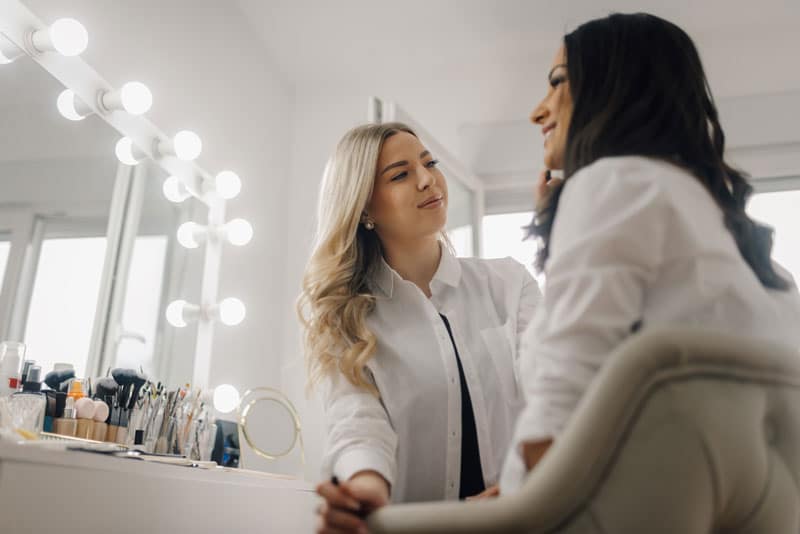
Successful practitioners also develop consultation, communication, treatment planning, product knowledge, retail confidence and client-retention skills.
Over time, those competencies can become transferable assets across many other areas of the beauty industry.
Medical Esthetics Creates New Professional Directions
The growth of medical aesthetics has significantly expanded the professional beauty landscape. Advanced technologies increasingly appear within specialized clinics, medi-spas and medical environments.
Depending on professional qualifications, applicable regulations and scope of practice, opportunities may involve technologies or procedures associated with laser, IPL, radiofrequency, microneedling, body technologies, skin resurfacing and other advanced modalities. This sector also creates career opportunities beyond performing treatments.
Equipment companies, distributors and clinics require trainers, product specialists, account managers, educators and other professionals who understand advanced aesthetic technologies.
Professional interest alone, however, does not determine qualification.
Training, professional responsibilities, scope of practice and applicable regulations must always be considered.
Spa & Clinic Management
Not every professional wants to remain primarily treatment-focused throughout their career. Experienced practitioners with strong organizational and leadership abilities may transition into management.
Responsibilities can include staffing, scheduling, training, inventory, sales, client experience, operations, marketing, performance management, treatment-menu development and supplier relationships.
Treatment-room experience can be extremely valuable because the manager understands both professional service delivery and client expectations. But management requires a different skill set. Being an excellent practitioner does not automatically create an excellent manager.
Leadership, financial awareness, communication and team development need to be learned as deliberately as treatment techniques.
Spa or Clinic Ownership
For some professionals, entrepreneurship becomes the next stage. Opening a spa, clinic or independent practice provides greater control over services, positioning, products, technologies and client experience. It also introduces responsibilities that have little to do with performing treatments.
- Payroll.
- Rent.
- Insurance.
- Equipment.
- Inventory.
- Marketing.
- Hiring.
- Cash flow.
- Pricing.
- Customer acquisition.
- Profitability.
Business ownership represents a transition from managing treatments to managing an entire professional organization.
Professionals considering ownership should therefore develop business expertise alongside technical expertise.
Equipment Companies Need Industry Professionals
The growth of aesthetic technology has created its own professional career ecosystem.
Equipment manufacturers and distributors require professionals who can understand sophisticated systems and communicate their applications to clinics and practitioners.
Career opportunities may include:
clinical trainer, equipment specialist, sales representative, account manager, technical educator, demonstrator and business-development professional.
A background in esthetics or medical aesthetics can be especially useful because the individual understands both:
the treatment application and the business environment in which the technology will operate.
Specialization Can Create Professional Differentiation
A successful career does not require becoming an expert in everything.
Specialization can create a recognizable area of expertise.
- Acne-focused skincare.
- Advanced facial treatments.
- Pigmentation.
- Sensitive skin.
- Mature skin.
- Body treatments.
- Hair removal.
- Medical aesthetics.
- Professional makeup.
- Technology.
A practitioner who develops deeper knowledge in a specific area can become particularly valuable to clients, employers, clinics, brands and other industry organizations. Specialization does not necessarily narrow a career.
It can create the expertise that opens the next opportunity.
Continuing Education Can Change Career Direction
Career development is rarely completely linear. An esthetician attends advanced skincare education and discovers an interest in acne-focused practice. Another learns a technology and moves toward medical aesthetics. A practitioner develops leadership skills and enters management.
Someone attending a brand seminar eventually becomes an educator for that company.
Continuing education allows professionals to explore new directions without necessarily abandoning the expertise they already possess. This is why professional education should be viewed as part of the career itself. Not something completed before the career begins.
Technical Skills Must Continue to Evolve
Professional beauty changes too quickly for the knowledge acquired at graduation to remain sufficient for an entire career.
Continuing professional development may involve advanced treatment techniques, formulation science, technology, skin analysis, safety, consultation, retail, management or business education. The appropriate subjects will depend on where the professional wants the career to go.
A practitioner seeking advanced skincare specialization requires different development than someone planning to manage a clinic.
A future educator needs different competencies from a future owner.
Professional development becomes more valuable when it has direction.
Professional Skills Extend Beyond Technique
Technical expertise is essential. But long-term career development also depends on communication, listening, professionalism, reliability, time management, problem solving, teamwork, leadership and commercial awareness.
These abilities influence nearly every professional career path. They matter in treatment rooms. They matter in management. They matter in education. They matter in sales. And they matter in entrepreneurship.
Technical skills may establish professional capability.
Professional behaviour helps determine where that capability can take you.
Networking Can Reveal Career Opportunities
Many professional careers change because of relationships.
- An esthetician meets a brand representative.
- An educator meets a distributor.
- A clinic owner discovers a new supplier.
- A practitioner meets a future employer.
- A sales professional discovers a new company.
Networking creates exposure to parts of the industry that may not be visible within someone’s current workplace.
This is especially important because you cannot pursue a professional opportunity you do not know exists.
Mentorship Can Accelerate Professional Development
Formal education provides knowledge. Experience provides perspective. Mentorship can connect the two.
Experienced professionals can help newer industry participants understand career decisions, professional standards, workplace challenges, client relationships, business realities and opportunities within the industry.
Mentorship does not replace professional education. It provides another layer of development based on lived experience.
Over time, today’s developing professional may become tomorrow’s mentor.
Get the latest news!
Subscribe to the ESI SHOW Newsletter
Past Events
Watch our exhibitor testimonials