
Career Paths in Esthetics & Beauty Industry
Building a career in esthetics and the beauty industry through specialization, education, management and new professional opportunities
The professional beauty industry has evolved considerably. Being an esthetician no longer necessarily means doing the same job, in the same environment and offering the same services throughout an entire career. Around traditional esthetics, a much broader professional ecosystem has developed, including:
- Medical esthetics
- Advanced technologies
- Professional skincare
- Spa and clinic management
- Education and training
- Professional representation
- Distribution
- B2B sales
- Brand development
- Entrepreneurship
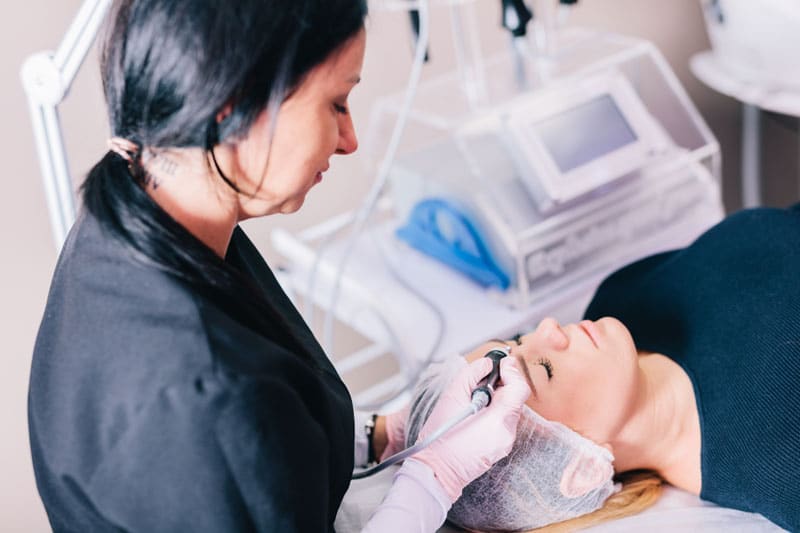
This diversification is transforming career paths in esthetics and the beauty industry. For an established professional, the question is no longer simply, “What is my profession?” It becomes: “Where can my expertise take me?”
An esthetician can develop a specialization. A specialist can become an educator. An experienced professional can manage a team, represent a brand or become an owner. A nurse can develop complementary expertise in medical esthetics. A spa owner can expand to multiple locations. A professional with extensive product knowledge can move into representation, distribution or education.
A career can therefore become an evolving professional journey. And in an industry where products, technologies and business models change rapidly, continuing education and professional development become genuine competitive advantages.
Esthetics: A Foundation That Can Lead Much Further
For many professionals, the journey begins with esthetics. Several skills provide an important professional foundation:
- Skin analysis
- Professional treatments
- Consultation
- Product knowledge
- Client experience
- Understanding different skin concerns
These skills can also become the starting point for specialization. An esthetician may deepen their knowledge of advanced treatments, technologies, peels, skin analysis, body treatments or other areas that correspond with their interests and professional framework.
Working directly with clients also develops less technical but extremely valuable skills: listening, communication, consultation, recommendation, client retention and understanding market expectations. This knowledge can later be transferred to other roles within the industry.
A professional who truly understands the reality of the treatment room, for example, can offer a particularly valuable perspective to a manufacturer or distributor seeking to better understand the needs of professional clients.
Specialization as a Professional Development Strategy
As the industry becomes more diversified, it becomes increasingly difficult for one professional to master every discipline at the same level. Specialization can therefore become a powerful career development tool.
Rather than trying to offer everything, a professional may choose to develop recognized expertise in a specific area. That expertise may focus on a skin concern, treatment category, technology or particular professional approach.
Specialization can help define positioning, deepen skills and establish a professional as a reference for clients, colleagues or even other industry professionals. But specialization should be developed strategically.
Before investing in new training, it is useful to ask:
- Does this skill correspond with the direction I want my career to take?
- Is there genuine demand for this expertise?
- Does it complement what I already know?
- Can I realistically use it in my practice or business?
Professional education becomes much more valuable when it is part of a strategy.
Medical Esthetics: New Opportunities for Collaboration
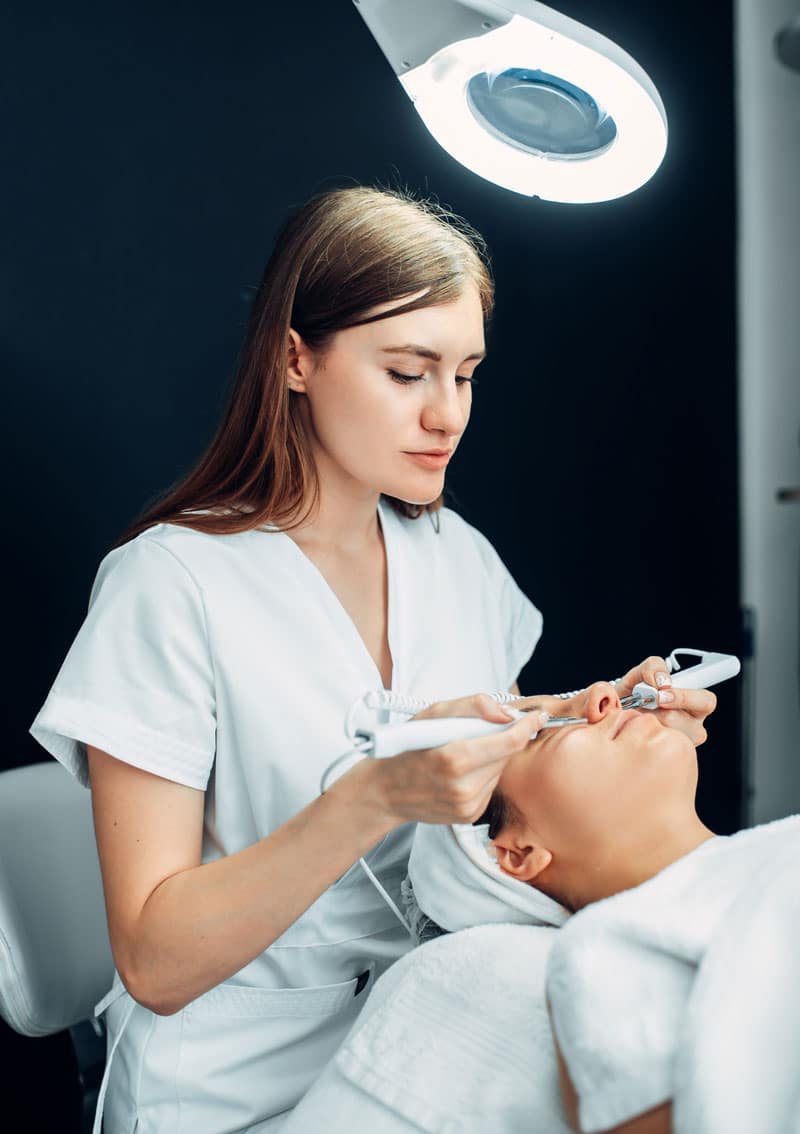
The growth of medical esthetics has also created new professional opportunities. Multidisciplinary environments may now bring together:
- Estheticians
- Medical esthetics professionals
- Nurses
- Physicians
- Managers
- Other specialists with complementary responsibilities
For estheticians, this evolution may provide opportunities to work in more specialized environments and develop knowledge of advanced skincare, technologies and treatment protocols. For nurses and physicians, it can create new professional opportunities within esthetics, depending on applicable qualifications, responsibilities and requirements.
Moving into medical esthetics, however, requires a very clear understanding of professional roles, competencies and limitations. The objective is not for every professional to perform every service, but rather for different professionals to combine their expertise while respecting their respective scopes of practice.
The ability to work effectively within multidisciplinary teams is itself becoming an increasingly relevant professional skill.
Technology Is Creating New Areas of Expertise
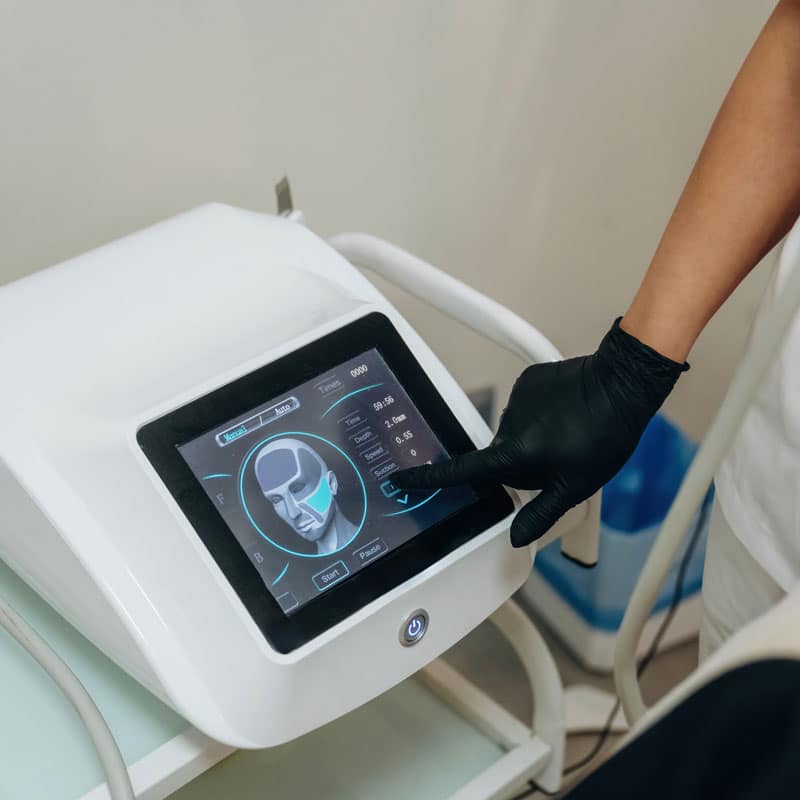
The evolution of professional equipment is also transforming careers. Many technologies require professionals who can not only operate them, but also understand their applications, limitations and integration into treatment protocols:
- Laser
- IPL
- Radiofrequency
- Microneedling
- LED
- Skin analysis systems
- Other professional technologies
Someone particularly interested in technology can therefore develop highly specialized expertise. That knowledge can be valuable within a clinic, but it can also lead to opportunities elsewhere in the industry.
Manufacturers and distributors need professionals who can present equipment, conduct demonstrations, train users and support businesses after the purchase. Technology expertise can therefore become a bridge between clinical practice and the B2B beauty industry.
From Practitioner to Educator
Years of accumulated experience can also be shared. Professional education represents another important career path.
A good educator, however, does more than master a technique. They must be able to explain it, demonstrate it, communicate its limitations and adapt their teaching to professionals with different levels of experience.
Opportunities may exist with:
- Schools
- Brands
- Manufacturers
- Distributors
- Clinics
- Training organizations
Professionals with specialized expertise may also develop their own training programs, depending on the field and applicable requirements. For some, teaching becomes a complementary activity. For others, it gradually becomes an entirely new career.
From the Treatment Room to Professional Representation
Manufacturers and distributors of professional products need representatives who genuinely understand the realities of spas and clinics. This career path is sometimes underestimated by practitioners.
Yet an experienced esthetician may already possess many of the qualities required for professional representation:
- Product knowledge
- Understanding of protocols
- Ability to conduct demonstrations
- Ability to communicate effectively with other professionals
The role of a B2B representative goes far beyond sales. A representative may help a business select a product line, integrate new protocols, train staff or evaluate a technology.
Hands-on industry experience becomes a major advantage. Someone who has worked directly with clients understands the questions professionals ask because they have experienced those situations themselves.

Distribution, Brands and Business Development
Behind every product used in a treatment room and every device installed in a clinic is a commercial infrastructure. Many different professionals contribute to the beauty industry:
- Manufacturers
- Importers
- Distributors
- Representatives
- Territory managers
- Educators
- Account managers
- Business development specialists
These companies therefore offer career opportunities that practitioners may not always consider. In-depth knowledge of esthetics can be particularly valuable in areas such as:
- Professional representation
- Education
- Account management
- Territory development
- Demonstrations
- Professional support
- Product development
- Specialized marketing
Experience gained in professional practice can therefore become a valuable commercial skill.

From Professional to Manager
Another natural career progression involves taking on greater responsibility within a spa or clinic. Managing a business or team, however, requires different skills from those needed to provide an excellent treatment.
Management may include:
- Scheduling
- Employee management
- Cost control
- Inventory
- Training
- Customer service
- Performance
- Sales
- Profitability
A professional who wants to move into management must therefore develop an entirely new category of skills. Being excellent at your profession does not automatically mean knowing how to manage a team.
Management is an expertise in itself. Recognizing this distinction can also help businesses better prepare employees who are moving into supervisory or management positions.
Get the latest news!
Subscribe to the ESI SHOW Newsletter
Entrepreneurship: Turning Expertise Into a Business
Many professionals eventually want to open their own studio, spa or clinic. This ambition represents an important career evolution, but it completely changes the individual’s role.
The practitioner also becomes an entrepreneur and must understand:
- Pricing and costs
- Suppliers
- Equipment
- Marketing
- Recruitment
- Sales
- Client retention
- Administrative obligations
- Profitability
Excellent technical expertise remains essential, but it must now be supported by an understanding of the business model.
Several questions become essential:
- Which services will actually be profitable?
- Which clientele do we want to attract?
- Which equipment investments can be justified?
- Which brands correspond with our positioning?
- How many employees will be required?
- How will we develop the client base?
- How can we create a distinctive experience?
These questions now become part of professional development.
Business Skills Are Becoming Equally Important
The esthetics industry remains a service industry, but it is also a business industry. Understanding treatment profitability, consumable costs, client value, product margins and equipment return on investment allows professionals to make better decisions.
Even an employed esthetician can benefit from understanding these realities. Appropriate product recommendations support client care while contributing to retail sales. Better appointment rebooking supports treatment continuity while improving business stability. Effective equipment utilization helps generate a return on investment.
Professional expertise and business understanding are therefore not opposites. In a successful business, they complement one another.
Networking: An Often-Underestimated Career Skill
Not every professional opportunity appears in a job posting. In an industry as relationship-driven as beauty, many collaborations and opportunities begin with a simple meeting:
- A representative meets an exceptionally knowledgeable esthetician.
- A manufacturer discovers a potential educator.
- An owner meets a new supplier.
- Two professionals discover an opportunity to develop a project together.
- A clinic is looking for exactly the expertise a professional wants to develop.
Building your network before you need it is therefore an excellent career strategy. Professional relationships developed over time can eventually lead to collaborations, suppliers, employment opportunities or entrepreneurial projects.

Continuing Education Should Serve a Professional Objective
Accumulating training does not necessarily mean progressing professionally. The real challenge is selecting education that contributes meaningfully to the direction you want your career to take.
Before choosing training, a professional can ask:
- What skill will I acquire?
- How will I use it?
- Does it correspond with my scope of practice?
- Does it strengthen my specialization?
- Can it improve my employability, services or business?
This approach transforms continuing education into a professional investment rather than simply an accumulation of certificates.
Building a Career Rather Than Simply Holding a Position
A professional career can evolve over ten, twenty or thirty years. Interests change, technologies evolve and new opportunities emerge.
Career paths can therefore take many directions:
- An esthetician can become a specialist, then a manager and eventually an owner.
- A professional can gradually leave the treatment room to become an educator.
- Another may discover that they prefer representing brands and developing professional accounts.
There is not necessarily one ideal career path, but having a direction is useful. A professional development plan covering several years can help identify the skills to acquire, relevant training, experiences to pursue and people worth meeting.
ESI Show: Seeing the Industry Beyond Your Own Practice
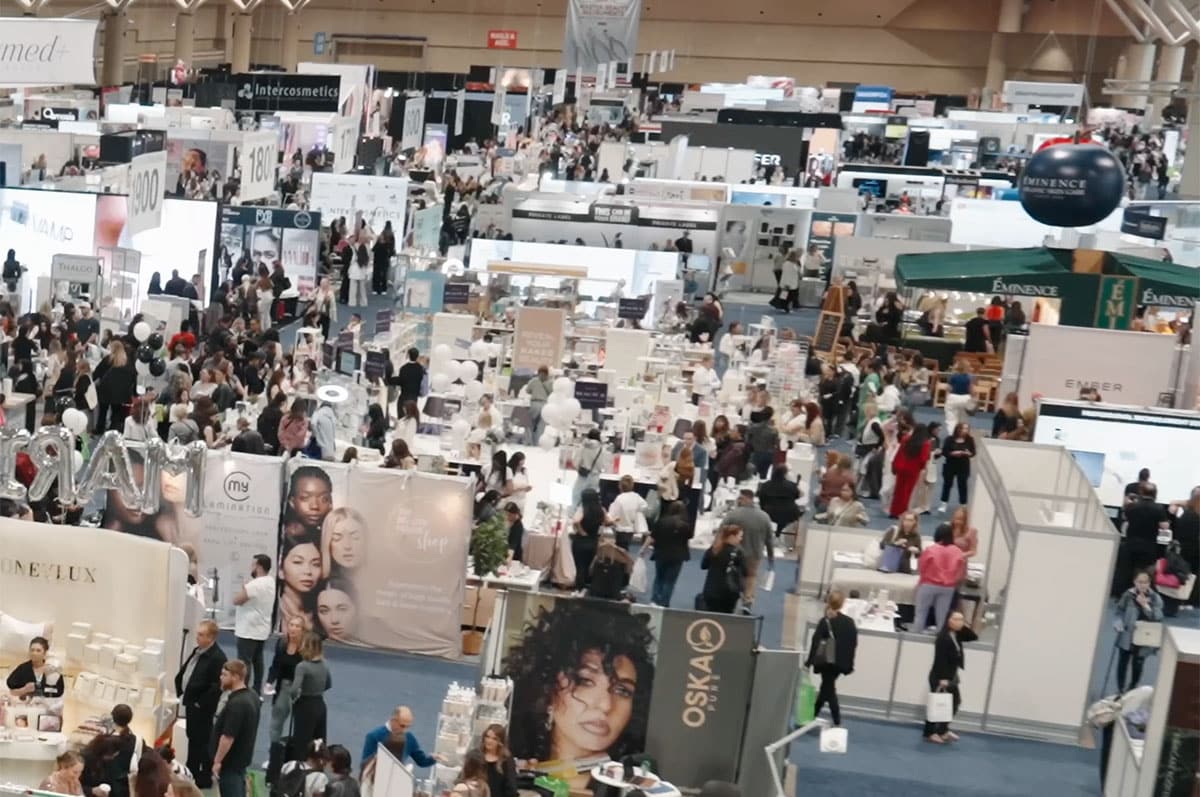
This is where a professional B2B trade show takes on a particularly important dimension. ESI Show provides an opportunity to see the industry as a whole. The event itself is positioned specifically for beauty-industry professionals rather than the general public.
Depending on a professional’s career path, the show can provide opportunities:
- For an esthetician to discover a new specialization.
- For a medical esthetics professional to compare technologies and training.
- For a nurse or physician to explore the professional ecosystem surrounding medical esthetics.
- For a manager to discover solutions for their business.
- For an owner to meet brands, manufacturers and distributors.
- For a professional interested in representation or education to meet companies that need precisely those types of profiles.
For an experienced professional, ESI Show can provide continuing education and opportunities to meet new suppliers. For an owner, it provides an environment to compare solutions. And for someone interested in representation, education or business development, industry connections can open unexpected professional opportunities.
Career Paths in Esthetics & Beauty Industry: Evolving Your Expertise
Career paths in esthetics and the beauty industry are far less linear today than they once were. Professional evolution can take many forms:
- An esthetician can become a specialist.
- A specialist can become an educator.
- A practitioner can become a manager.
- A manager can become an owner.
- An experienced professional can become a representative, consultant or technology specialist.
- An entrepreneur can develop multiple locations, a concept or even a brand.
This diversity represents one of the industry’s greatest strengths. But it also brings a responsibility: to continue learning and remain connected to the evolution of the professional market.
ESI Show brings together professionals, brands, manufacturers, distributors, technologies, education and business opportunities within the same environment. For someone already active in the industry, attending ESI Show should therefore not be limited to discovering what is new.
It can also help answer a much more personal and strategic question:
What will be the next step in my career?
Get the latest news!
Subscribe to the ESI SHOW Newsletter