
Acne, Skin Aging & Skin Concerns
Professional knowledge for assessing skin concerns, selecting treatments and building more effective skincare protocols
Every client’s skin presents a different combination of characteristics, conditions, history and treatment objectives.
Acne can appear across different ages and skin types. Visible signs of aging vary considerably between clients. Pigmentation may be associated with sun exposure, inflammation or other influences. Dehydration, sensitivity, redness and uneven texture can occur independently—or several concerns may be present simultaneously.
For estheticians, skincare professionals and medical-esthetic practitioners, understanding Acne, Skin Aging & Skin Concerns is therefore fundamental to professional assessment and treatment planning.
This ESI Show Knowledge Centre brings together professional FAQs, educational articles and industry resources designed specifically for estheticians, medical-aesthetic professionals, spa and clinic owners, educators, students and other beauty-industry professionals.
The objective is not simply to recognize what is visible.
It is to understand the presentation, consider contributing factors and determine which professional treatments, products, protocols or technologies may be appropriate within the practitioner’s qualifications and scope of practice.

This content continues below our upcoming show overview…
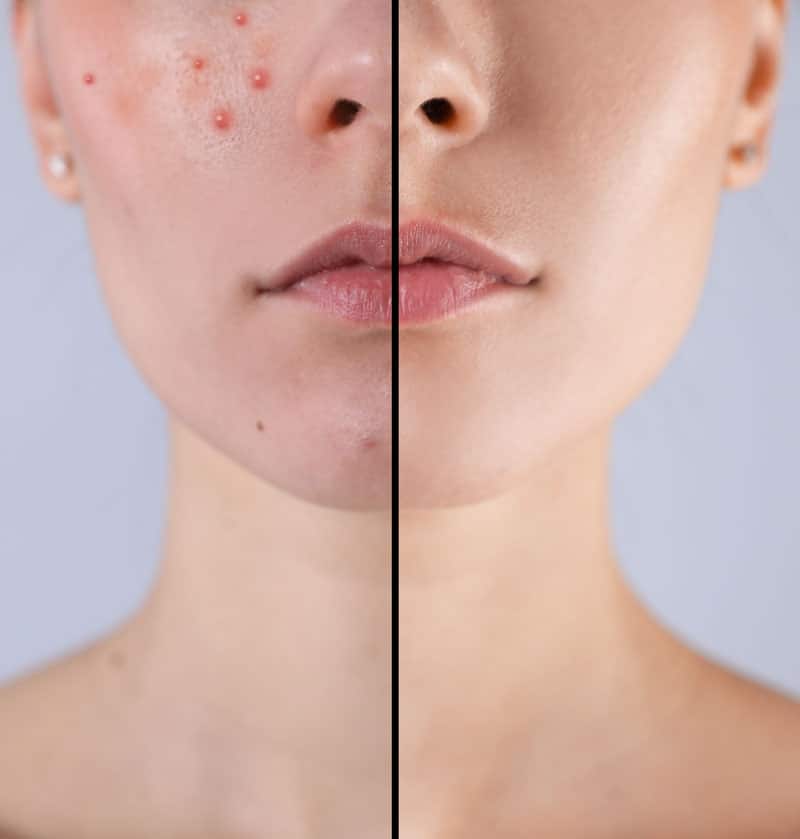








Professional skin assessment comes before treatment selection
Before selecting a facial, peel, professional skincare formulation or advanced technology, practitioners need to understand the skin they are treating.
Acne, pigmentation, dehydration, sensitivity and visible signs of aging are concerns or conditions rather than universal skin types. An oily client can simultaneously be dehydrated. Dry skin can experience breakouts. Sensitive skin can also present pigmentation or visible aging.
This is why professional consultation and skin analysis are essential.
Assessment may consider: skin type, current conditions, treatment history, home-care routine, sensitivities, previous procedures, lifestyle factors and treatment objectives.
Rather than beginning with: “Which treatment should I perform?”
professional practice begins with: “What am I observing, what does this skin require, and which approach is appropriate?”
That distinction is fundamental to personalized professional skincare.
Start with our complete professional beauty guide

Looking for the bigger picture?
The Complete Guide to Professional Esthetics, Medical Aesthetics & the Beauty Industry in Canada brings together many of the subjects covered throughout the ESI Show Knowledge Centre.
Explore professional skincare, medical aesthetics, formulation science, skin concerns, equipment purchasing, safety, spa and clinic management, industry trends and professional development within one comprehensive resource.
It is an ideal starting point for professionals before moving into the Knowledge Centre’s specialized categories.
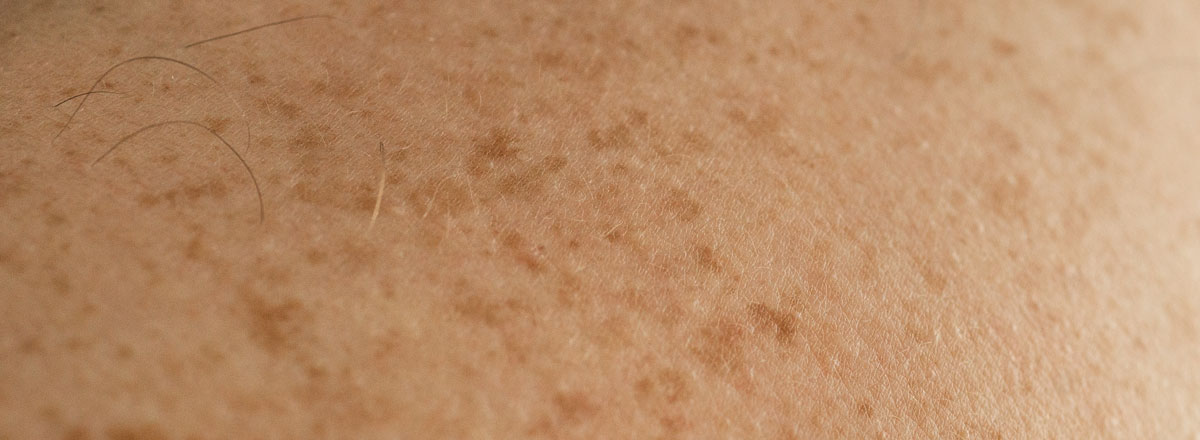
Skin texture can point to different underlying concerns
Uneven texture may be associated with several different factors:
- Congestion.
- Dehydration.
- Surface-cell accumulation.
- Acne history.
- Visible aging.
- Scarring.
- Barrier condition.
- Other skin concerns.
This makes texture another example of why professional treatment should follow assessment.
Professional exfoliation, enzyme treatments, chemical peels or more advanced procedures may be considered depending on the presentation, treatment objective, practitioner qualifications and professional setting.
The question should never simply be: “What is the newest treatment for texture?”
It should be: “Why is this texture present, and which professional approach makes sense for this client?”

Professional treatments and home care should work together
What happens in the treatment room represents only one component of a professional skincare strategy.
The products clients use between appointments can influence treatment outcomes, skin tolerance and the ability to maintain progress.
- Cleansers.
- Moisturizers.
- Serums.
- Exfoliants.
- Targeted active ingredients.
- Sun protection.
Professional product recommendations can create continuity between appointments while helping clients avoid poorly suited products or unnecessarily complicated combinations of active ingredients.
For the practitioner, retail should therefore be viewed as an extension of professional treatment planning rather than simply an additional sale.
Recommend with purpose.
The question is not: “What can I sell this client?”
It is: “What should this client be using between professional treatments, and why?”
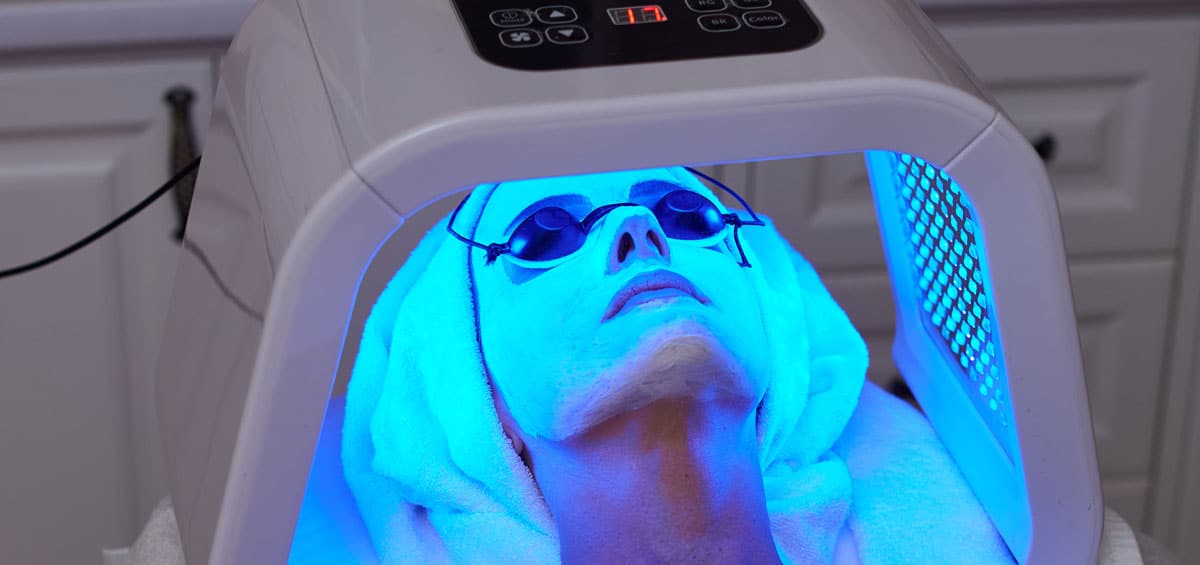
Advanced technology is expanding professional treatment options
The increasing convergence of professional esthetics and medical aesthetics has created a much broader treatment landscape.
- LED.
- Microneedling.
- Radiofrequency.
- IPL.
- Laser technologies.
- Advanced resurfacing.
These technologies may provide additional options for concerns involving acne, pigmentation, texture and visible aging.
But access to technology does not automatically create expertise.
Professionals need to understand:
indications, contraindications, treatment parameters, appropriate candidates, limitations, training requirements and their own scope of practice.
For spa and clinic owners, there is another question: Does this technology make sense for our clientele and our business?
A device should not be added simply because the treatment is trending.
Professional and commercial evaluation should come first.

50 professional questions about acne, skin aging & skin concerns
Sometimes professional development begins with one very specific question.
- How should acne-prone but dehydrated skin influence treatment selection?
- How can professionals distinguish dry skin from dehydration?
- What should practitioners consider before treating pigmentation?
- How does phototype influence certain treatment decisions?
- When should sensitivity change a professional protocol?
- When might referral be more appropriate than treatment?
The ESI Show Knowledge Centre provides 50 professional questions and answers dedicated to Acne, Aging & Skin Concerns, designed to provide quick access to practical industry information.
Use the FAQ collection to investigate individual subjects or continue into our more comprehensive professional guides and articles.
Take professional knowledge further at Esi show
Reading about professional products and technologies provides valuable knowledge. Seeing them firsthand provides another level of understanding.
ESI Show brings together estheticians, medical-aesthetic professionals, spa and clinic owners, educators, professional skincare brands, manufacturers, distributors and technology providers within a dedicated B2B professional environment.
Conferences, exhibitor classes, educational sessions and live demonstrations allow professionals to investigate products, observe treatment techniques, compare technologies, question suppliers, discover professional skincare lines and explore emerging industry developments.
For owners and buyers, the show also provides an opportunity to evaluate potential additions to a treatment menu and discuss training, implementation and commercial considerations directly with suppliers.
ESI Show is created for beauty and aesthetics industry professionals and is not a consumer beauty event.
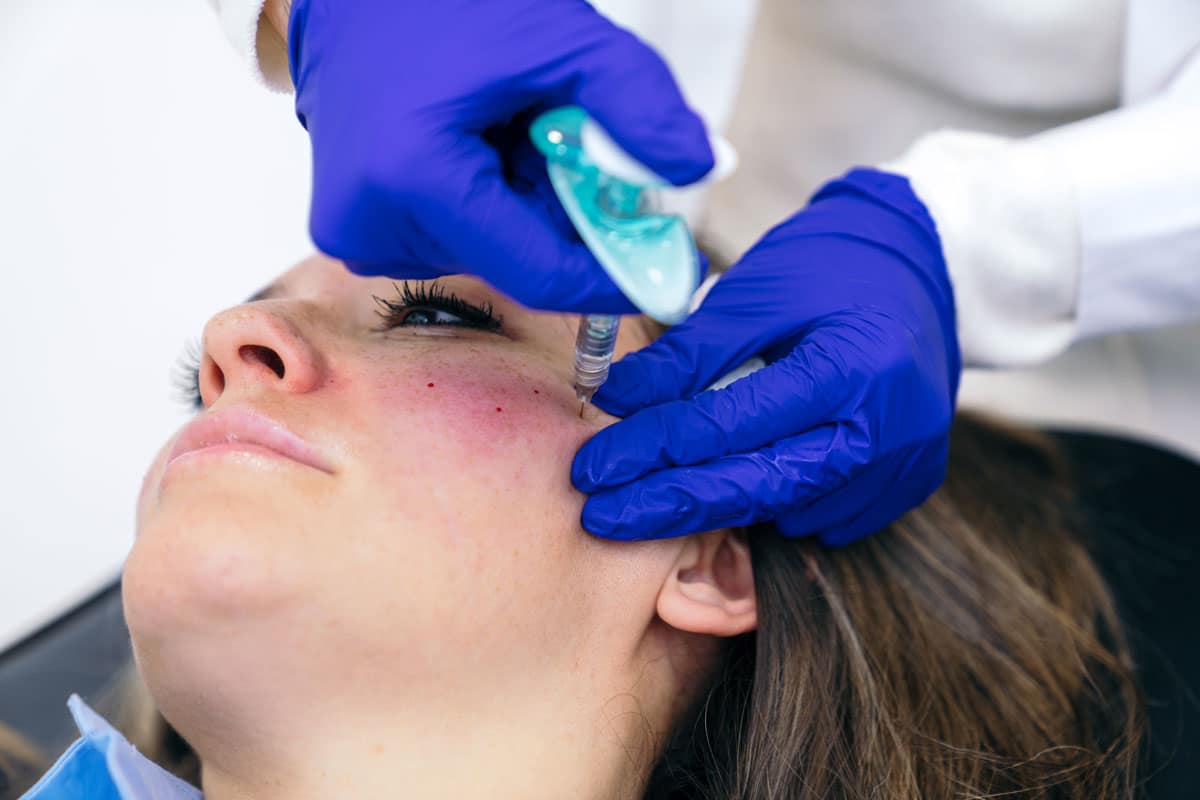
Acne, Skin Aging & Skin Concerns: Better Professional Knowledge Supports Better Decisions
There is rarely one universal response to a skin concern. Two clients with acne may require different professional approaches. Two clients of the same age can present completely different visible signs of aging. Pigmentation can have different origins. Oily skin can be dehydrated. Sensitive skin may require restraint rather than increased treatment intensity.
Understanding Acne, Skin Aging & Skin Concerns therefore means looking beyond the visible symptom. Professional skincare begins with assessment. It continues through appropriate treatment, technology and product selection. And it evolves according to the client’s response and changing skin condition.
That combination of knowledge, assessment, professional judgment and continuing education allows today’s esthetics and medical-aesthetics professionals to provide increasingly individualized care.
Use the ESI Show Knowledge Centre to investigate the conditions, ingredients, professional treatments and technologies relevant to the clients you treat—and continue developing the expertise behind better professional decisions.
Explore Our Acne, Skin Aging & Skin Concerns Knowledge Centre
Acne: Look Beyond the Breakout
Acne is one of the most frequently encountered concerns within professional skincare, but not every acne presentation should be approached identically.
- Comedonal congestion.
- Inflammatory breakouts.
- Persistent adult acne.
- Post-acne pigmentation.
- Acne-prone skin with dehydration or sensitivity.
Each presentation may influence treatment selection differently.
Depending on the practitioner’s qualifications, client assessment and condition of the skin, professional approaches may incorporate customized facials, appropriate extractions, exfoliation, chemical peels, LED therapy and carefully selected home-care products.
The professional also needs to recognize limitations.
Certain acne presentations may require medical evaluation or collaboration with another qualified healthcare professional.
Knowing when to treat, how to treat and when to refer are all components of professional expertise.
Aging Skin: Treat the Concern, Not the Age
Professional approaches to visible aging have evolved considerably.
Instead of treating “anti-aging” as one universal category, practitioners can assess the individual characteristics they are actually seeing:
- Fine lines.
- Wrinkles.
- Loss of firmness.
- Changes in texture.
- Uneven pigmentation.
- Reduced hydration.
- Sun-related changes.
- Barrier condition.
Treatment strategies can then be developed around the client’s specific presentation and objectives.
Professional skincare formulations, chemical peels and other treatment protocols may play a role, while medical-aesthetic technologies such as microneedling, radiofrequency, IPL or laser may provide additional options within appropriately qualified professional environments.
For practitioners, the important distinction is that chronological age alone should never determine the protocol.
Two clients of the same age can require completely different approaches.
Pigmentation Requires Professional Investigation
Pigmentation demonstrates why professional assessment needs to extend beyond the visible symptom.
A darkened area of skin does not automatically reveal why it developed.
Visible pigmentation may be associated with sun exposure, previous inflammation, acne or other influences.
That history matters because treatment selection should reflect the presentation rather than simply target anything that appears darker than the surrounding skin.
Professional approaches may involve carefully selected ingredients, exfoliation, chemical peels or advanced aesthetic technologies where appropriate.
Practitioners should also understand how pigmentation risk and treatment response may differ across skin tones and phototypes.
This becomes especially important when considering more intensive procedures and energy-based technologies.
Dehydration: A Condition Professionals Should Distinguish From Dry Skin
One of the most important distinctions in professional skin analysis is the difference between dryness and dehydration.
Dry skin generally relates to reduced oil production. Dehydration relates to insufficient water. Consequently, oily skin can also be dehydrated.
For the practitioner, misinterpreting dehydration as simply another manifestation of oiliness can lead to an inappropriate treatment strategy.
Rather than increasing aggressive oil-removing measures, the professional may need to consider hydration, product selection and barrier support.
This is precisely why professional skin analysis should consider multiple characteristics simultaneously rather than assigning the client one simple label.
Sensitivity and Redness: Knowing When Less Is More
Professional expertise is not measured by treatment intensity.
Sensitive or temporarily sensitized skin may respond poorly to excessive exfoliation, aggressive ingredients or inappropriate combinations of professional and home-care products.
Assessment can help the practitioner determine whether the immediate priority should shift from correction toward comfort, hydration, barrier support and improved tolerance.
Professionals should also be able to recognize when persistent redness or another presentation warrants referral to an appropriately qualified healthcare professional.
Knowing when not to perform a treatment is as important as knowing how to perform one.
Get the latest news!
Subscribe to the ESI SHOW Newsletter

Past Events
Watch our exhibitor testimonials