

Acne, Skin Aging and Skin Concerns
A professional approach to acne, skin aging and skin concerns through better assessment, treatment protocols, technologies and continuing education
For beauty and aesthetics professionals, acne, skin aging and skin concerns are not simply topics discussed with clients. They are among the most common challenges encountered every day in spas, aesthetic clinics and medical aesthetic environments.
Estheticians, medical aestheticians, nurses, physicians, clinic owners and other skincare professionals must be able to recognize different skin presentations, understand the factors that may influence them and determine which products, professional treatments or technologies may be appropriate within their scope of practice.
This requires much more than knowing which facial to recommend.
Modern professional skincare increasingly involves assessment, personalization, treatment planning, product knowledge, technology selection, client education and ongoing professional development.
Acne may present very differently from one client to another. Visible signs of aging can be influenced by both intrinsic and environmental factors. Pigmentation, dehydration, sensitivity, redness, texture irregularities and barrier disruption may coexist and complicate treatment planning.
For the professional, the objective is therefore not simply to identify a concern.
It is to understand what may be happening, what can appropriately be addressed and how to build a coherent professional strategy around it.
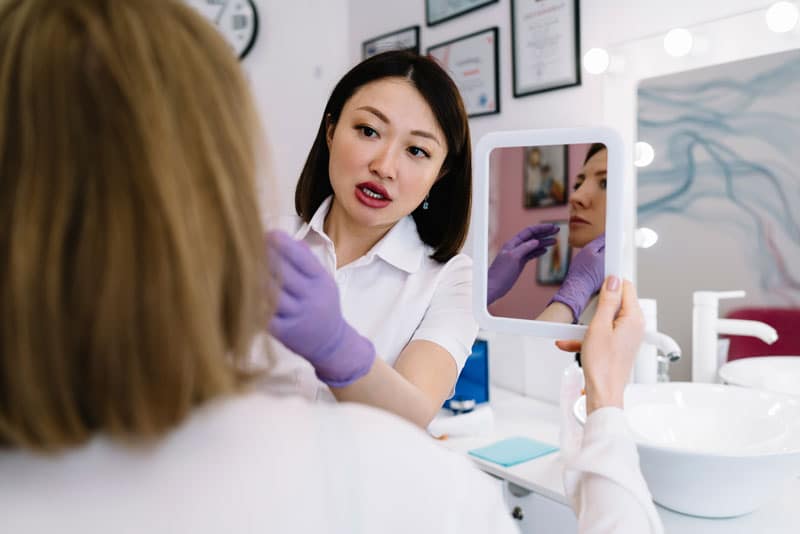
Acne is not simply a problem of oily skin
One of the most important distinctions for skincare professionals is that acne should not automatically be associated with oily skin. Acne can occur with different skin types and can present through comedones, papules, pustules and inflammatory lesions of varying severity. A client may have acne while simultaneously presenting dehydration, sensitivity or a compromised skin barrier.
This changes the professional approach considerably. An overly aggressive protocol designed simply to remove oil may increase discomfort or further compromise a skin barrier that is already struggling. The professional assessment should therefore consider the complete condition of the skin rather than focusing exclusively on visible breakouts.
Professional acne protocols require personalization
There is no single professional acne protocol appropriate for every client.
Depending on the presentation and the professional’s qualifications, a treatment strategy may incorporate different approaches over time.
- Professional facials.
- Appropriate exfoliation.
- Peels.
- Extractions when indicated.
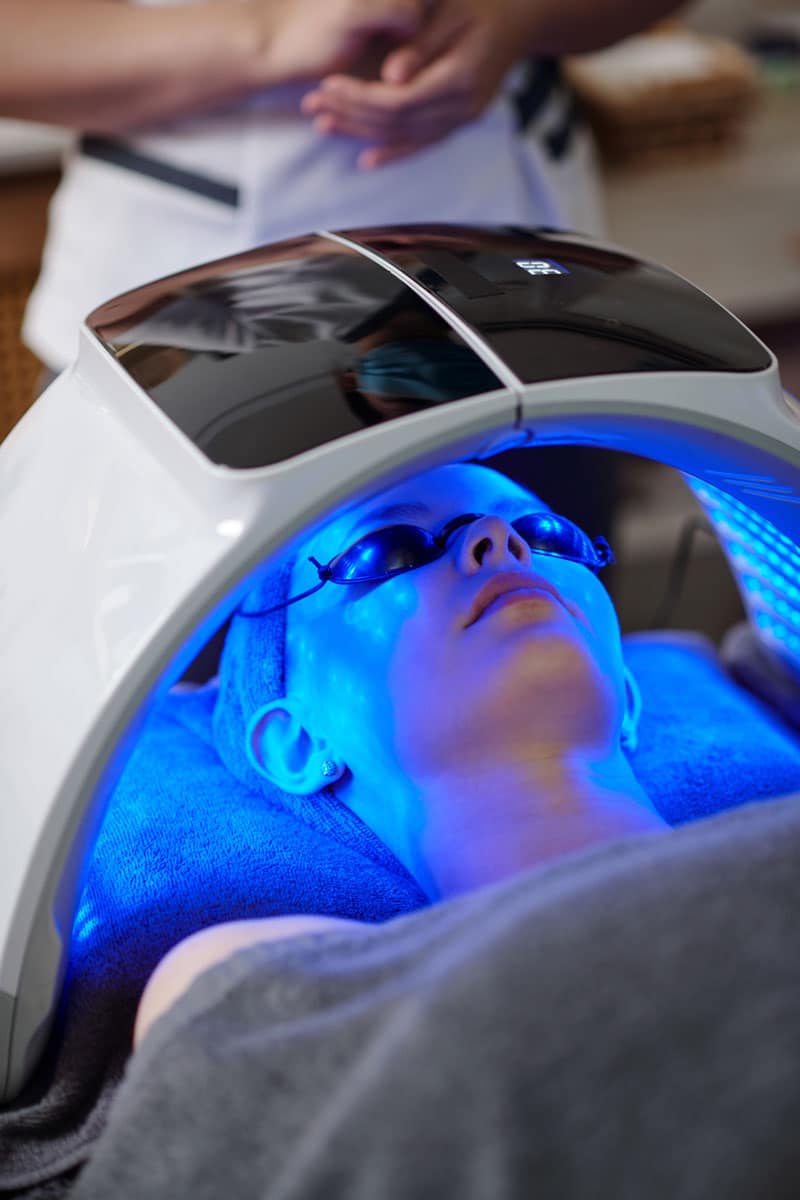
- LED technology.
- Professional skincare products.
- Home-care recommendations.
More advanced modalities where appropriate to the practitioner’s training and scope of practice. The important word is strategy. A professional protocol should not become a collection of treatments simply because they are available. Each component should have a reason for being included.
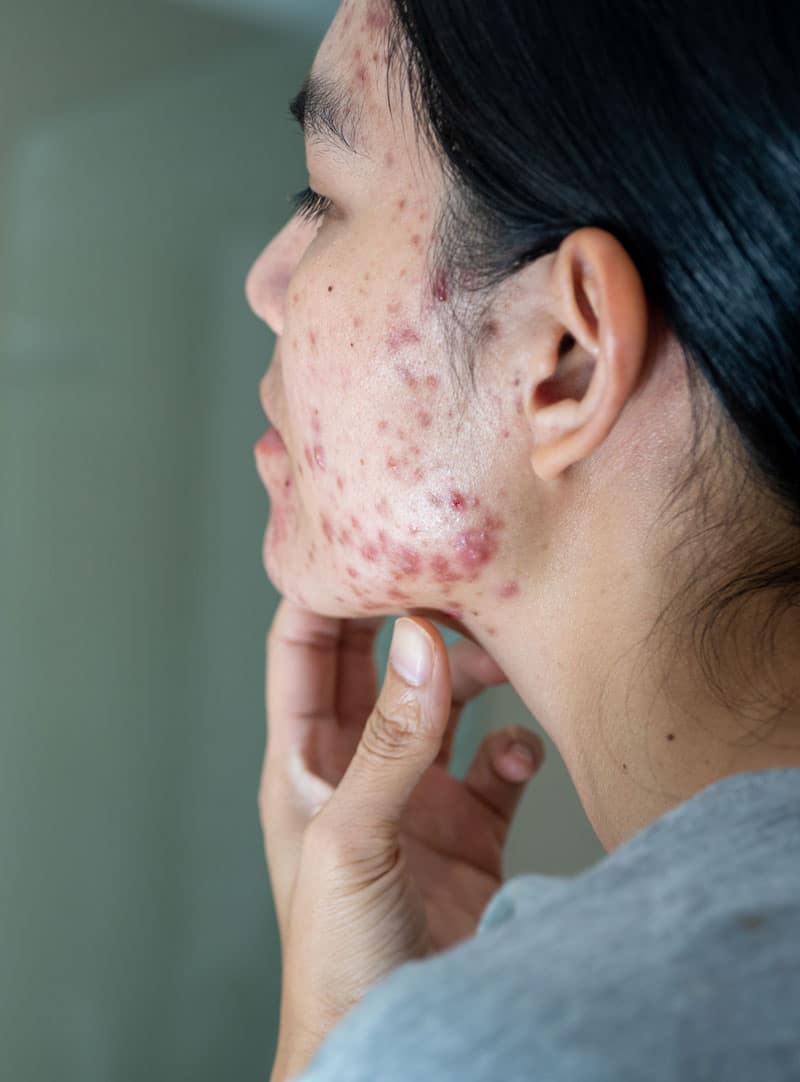
Active acne and post-acne concerns require different thinking
Once active breakouts begin to improve, the client’s concerns may change. Post-inflammatory pigmentation, persistent redness, uneven texture or visible scarring may become more prominent. The treatment strategy may therefore need to evolve.
An initial phase may focus on supporting the skin while managing active breakouts. A later phase may concentrate more heavily on the visible marks or textural changes that remain.
This is an important concept for practitioners because it moves professional skincare away from the idea of selling isolated treatments and toward building progressive treatment programs.
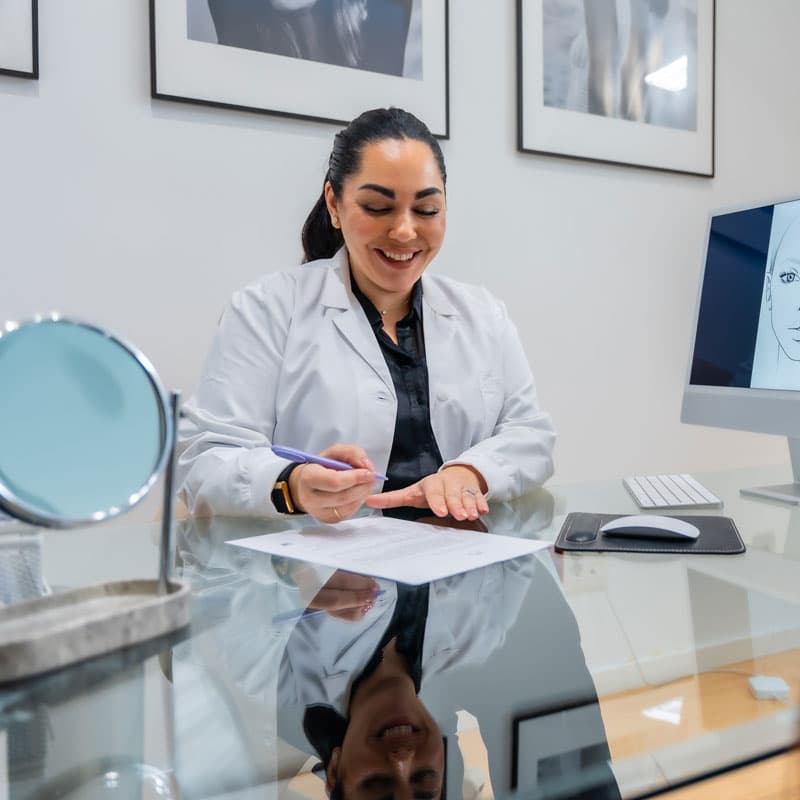
Knowing when to refer is part of professional expertise
Not every acne presentation belongs in an esthetic treatment room. Some conditions may require assessment by a physician, dermatologist or another qualified healthcare professional. Recognizing the limits of one’s scope of practice is not a weakness. It is part of responsible professional practice.
When a skin condition appears unusual, severe, persistent or outside the practitioner’s expertise, referral may be the most appropriate recommendation. This distinction also reinforces the credibility of the aesthetics industry. Professional expertise includes knowing what to treat, how to treat it and when not to treat it.
Skin aging is a process, not a skin type
Skin aging presents another important professional consideration. Aging should not automatically be treated as a single skin category. A mature client may have dry, oily, combination or sensitive skin while simultaneously presenting visible signs associated with aging.
These may include changes in: texture, firmness, elasticity, hydration, pigmentation, luminosity and the appearance of fine lines and wrinkles.
This means that an “anti-aging treatment” should never automatically become a standardized protocol applied to every mature client. The professional must first determine which characteristics are actually present and which ones are priorities for that individual.
Intrinsic and extrinsic aging influence professional treatment planning
Skin aging is influenced by factors that occur naturally over time as well as environmental and behavioural factors. Sun exposure is particularly important because cumulative exposure can contribute to visible changes in pigmentation, texture and overall skin appearance. Lifestyle and environmental exposure may also influence how aging presents.
For the practitioner, this information provides context. A professional cannot change every factor associated with aging, but understanding them can help establish realistic objectives and support better recommendations. It also reinforces the importance of prevention.
Modern professional aesthetics is not solely about correcting what has already appeared. It increasingly involves helping clients maintain skin quality over time.
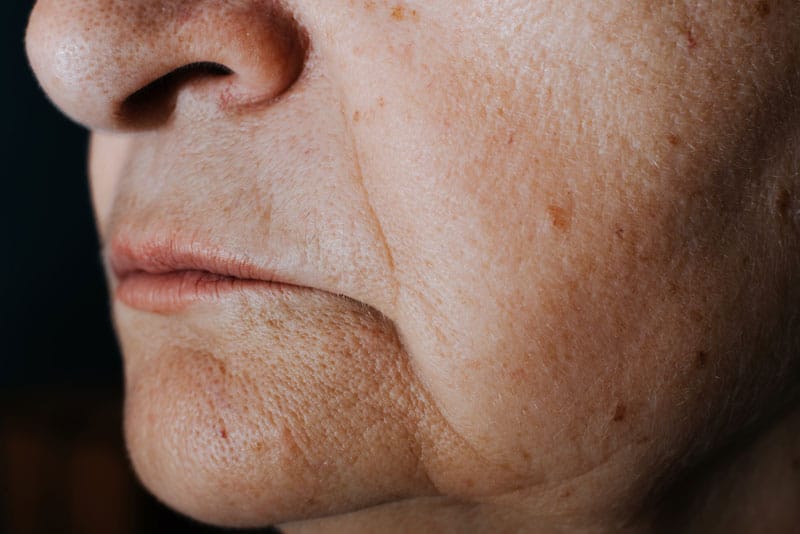
Collagen remains central to many professional conversations
Collagen is frequently discussed in relation to skin aging, firmness and texture. As the skin changes over time, technologies and professional treatments designed to support its appearance have become increasingly important within the aesthetics industry.
This has contributed to growing professional interest in modalities such as microneedling, radiofrequency, certain laser technologies and other advanced approaches, depending on professional qualifications and the regulatory environment. But practitioners should look beyond marketing language.
When evaluating a technology, important questions include:
- What is its mechanism of action?
- Which clients are appropriate candidates?
- What training is required?
- What contraindications must be considered?
- How many treatments are generally incorporated into a protocol?
- How does the technology complement services already offered?
The fact that a device is marketed for “collagen” does not eliminate the need for professional evaluation.

Pigmentation requires more than treating a visible spot
Hyperpigmentation is another common concern encountered by skincare professionals. But not every pigmented area has the same origin or should be approached in the same way. Sun exposure, inflammation, hormonal influences and other factors may contribute to uneven pigmentation. This means the practitioner should consider the client’s history and the appearance of the pigmentation before selecting a protocol.
Photoprotection may also become an essential part of the long-term strategy. The professional objective is therefore not simply: “How do we remove this spot?”
A better question is: “What may be contributing to this pigmentation, and how should that influence our professional approach?”
Sensitivity can completely change a treatment plan
Sensitivity and skin reactivity can significantly affect professional protocols. A client may request an intensive peel, resurfacing treatment or advanced technology because they want rapid results. But the skin may not currently be in a condition to tolerate that intervention. This is where professional judgment becomes essential.
Sometimes the appropriate decision is to reduce intensity.
- Simplify the routine.
- Support the skin barrier.
- Allow the skin to stabilize.
- Then reassess.
The most advanced treatment is not necessarily the most appropriate treatment.
Barrier health has become an increasingly important professional consideration
The skin barrier has become a major topic throughout professional skincare. A compromised barrier may contribute to increased sensitivity, discomfort and difficulty tolerating certain active ingredients or procedures. This has influenced how professionals think about treatment sequencing.
A practitioner may identify pigmentation, acne or signs of aging as the client’s primary concern while simultaneously recognizing that barrier support should come first. This illustrates an essential principle of professional aesthetics: the client’s requested priority and the skin’s actual priority are not always the same thing. The practitioner must be capable of explaining why.
Professional assessment creates the foundation
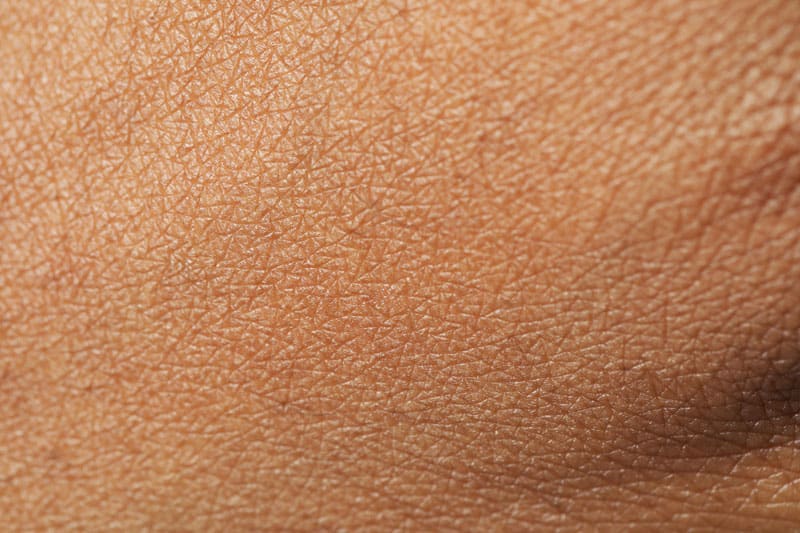
Before selecting a treatment, professionals should gather relevant information.
- Skin type.
- Current condition.
- Sensitivity.
- Products being used.
- Previous treatments.
- Client objectives.
Relevant medications or medical information where appropriate. Lifestyle and environmental considerations. This consultation helps determine what can realistically and appropriately be addressed. It also provides a baseline against which future progress can be evaluated.
The value of the professional consultation is therefore not simply administrative. It is the foundation of the treatment strategy.
Technology can enhance professional skin assessment
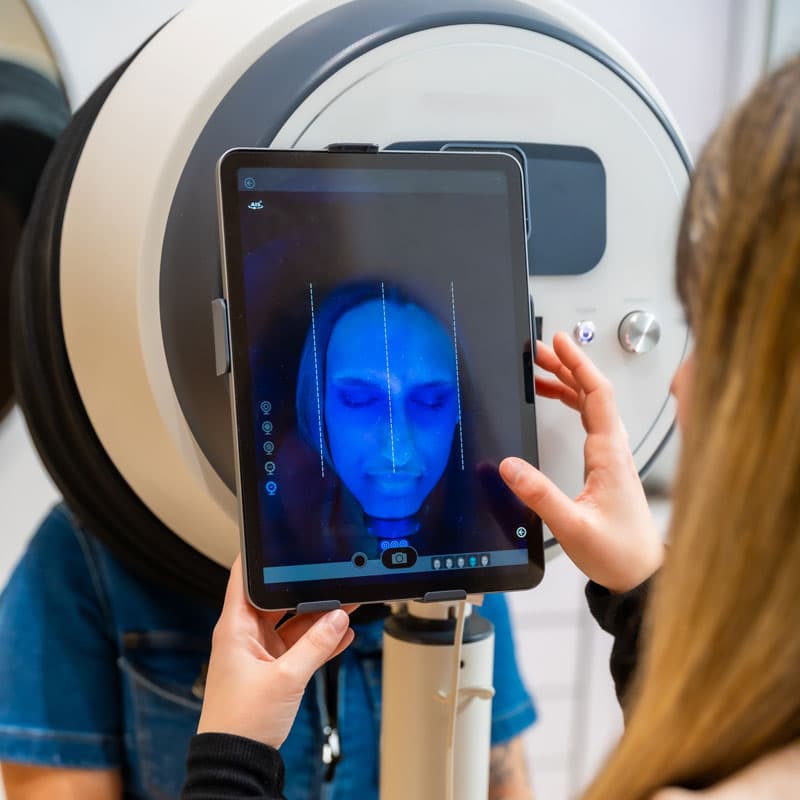
Skin analysis technologies are becoming increasingly sophisticated. Depending on the system, professional imaging and analysis devices may help document characteristics that can support consultation and follow-up. These technologies can also provide an educational advantage.
Showing a client what the practitioner is observing may make recommendations easier to understand. However, technology should remain an additional source of information rather than a replacement for professional judgment. An analysis device does not automatically understand the client’s complete history, treatment tolerance, objectives or previous experiences.
The professional still needs to interpret the information.
Get the latest news!
Subscribe to the ESI SHOW Newsletter

Treatment protocols should evolve
Skin is not static. A protocol that was appropriate several months ago may need to change.
- Season.
- Hormonal changes.
- New medications.
- Lifestyle.
- Home-care products.
- Previous procedures.
- Progress achieved through treatment.
All can influence the next professional decision. For this reason, assessment should not occur only during the client’s first appointment. Professionals should periodically reassess the skin and adjust the strategy accordingly. This approach transforms treatment from a repetitive service into ongoing professional management of the client’s aesthetic objectives.
Home care and professional treatments should work together
Professional treatments represent only part of the client’s skincare program. What happens between appointments can significantly influence the overall strategy. A carefully planned professional treatment may be undermined by an overly aggressive or inappropriate home routine. Conversely, appropriate home care can support the objectives established in the treatment room.
Professionals should therefore understand what their clients are using.
- Cleansers.
- Exfoliants.
- Serums.
- Retinoids.
- Moisturizers.
- SPF products.
- Other active formulations.
The objective is not necessarily to replace everything. It is to create coherence between professional treatment and daily skincare.
Ingredient knowledge strengthens professional recommendations
The professional skincare market continues to introduce increasingly sophisticated formulations.
- Acids.
- Retinoids.
- Peptides.
- Antioxidants.
- Ceramides.
- Humectants.
- Brightening ingredients.
- Barrier-supporting formulations.
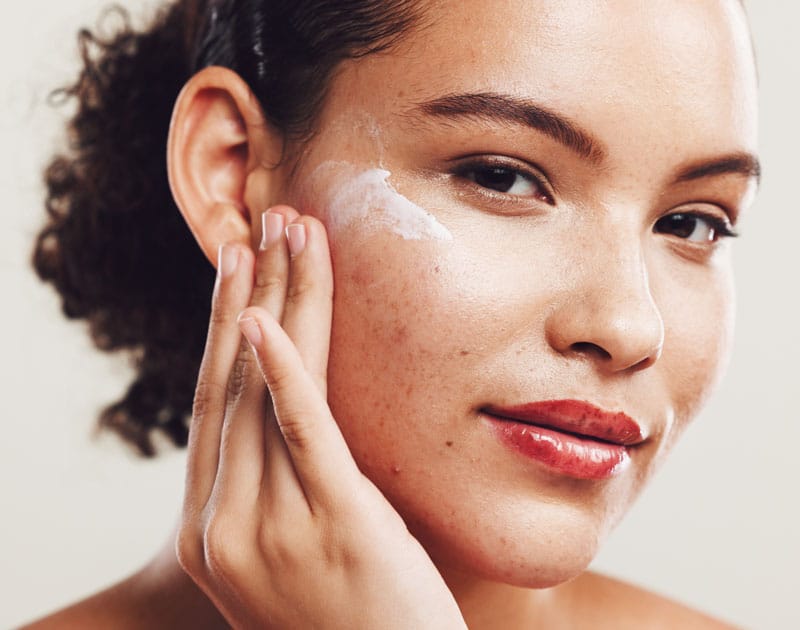
For practitioners, simply recognizing an ingredient name is no longer enough. Professionals increasingly need to understand why an ingredient is being used, how it is formulated, where it fits within a routine and how it may interact with other products or professional treatments.
This is particularly important when clients arrive with routines assembled from social media recommendations. The professional’s value lies in being able to put products and ingredients into context.
Social media has changed the professional consultation
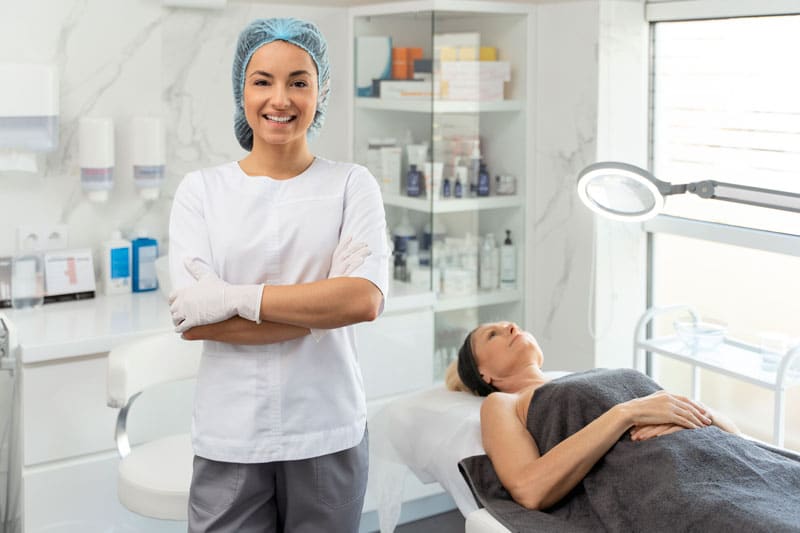
Today’s clients often arrive already familiar with ingredients, devices and treatment names. TikTok, Instagram, YouTube and other platforms can create enormous interest in a product or treatment almost overnight. For professionals, this creates both opportunity and responsibility.
A client may ask specifically for a peel, microneedling, LED, retinol or another trending solution. The practitioner should be able to discuss it knowledgeably without automatically agreeing that it is appropriate. Professional credibility increasingly comes from being able to say:
“Yes, I know what you’re referring to. Let’s determine whether it makes sense for your skin.”
Different skin tones require appropriate professional knowledge
Professional skincare must also account for the diversity of skin tones and phototypes. Certain pigmentation concerns, treatment responses and risks may vary according to skin characteristics. This becomes particularly important when selecting advanced technologies or addressing pigmentation.
For clinics investing in equipment, this consideration should also influence purchasing decisions. A technology should not be evaluated solely on its popularity.
Decision-makers should ask:
- Which clients can we appropriately treat?
- What phototypes can the technology accommodate?
- What training is provided?
- What limitations exist?
- What protocols and safety considerations must our team understand?
The diversity of the clientele should be reflected in the expertise of the practice.
Advanced technology requires advanced knowledge
The aesthetics industry continues to introduce increasingly sophisticated equipment.
- LED.
- Microneedling.
- Radiofrequency.
- Laser.
- IPL.
- Skin analysis technologies.
- Other energy-based or professional systems.
The presence of advanced equipment does not automatically make a practice advanced.
Knowledge does.
Professionals need to understand indications, contraindications, treatment parameters, expected outcomes, maintenance requirements and how each technology fits into the clinic’s broader treatment offering.
For owners and managers, this means equipment purchasing decisions should involve both clinical and business evaluation.
New treatments must also make business sense
A new treatment may appear professionally exciting but still be a poor investment for a spa or clinic. Before adding a technology or treatment, owners and decision-makers should consider: client demand, equipment cost, consumables, staff training, treatment time, pricing, repeat-treatment potential, support from the supplier and integration with existing services.
The question is not simply:
“Is this treatment effective or innovative?”
It is also:
“Does this treatment make sense for our practice?”
This is where clinical expertise and business strategy meet.

Continuing education is essential in professional skincare
The science, products and technologies surrounding acne, skin aging and other skin concerns continue to evolve.
Professionals therefore cannot rely exclusively on what they learned at the beginning of their careers.
- New formulations appear.
- Technology changes.
- Treatment protocols evolve.
- New research influences professional thinking.
- Client expectations change.
Continuing education allows practitioners to revisit what they already know while evaluating what is genuinely new.
It also helps professionals distinguish meaningful innovation from marketing.
ESI Show: turning knowledge into professional decisions
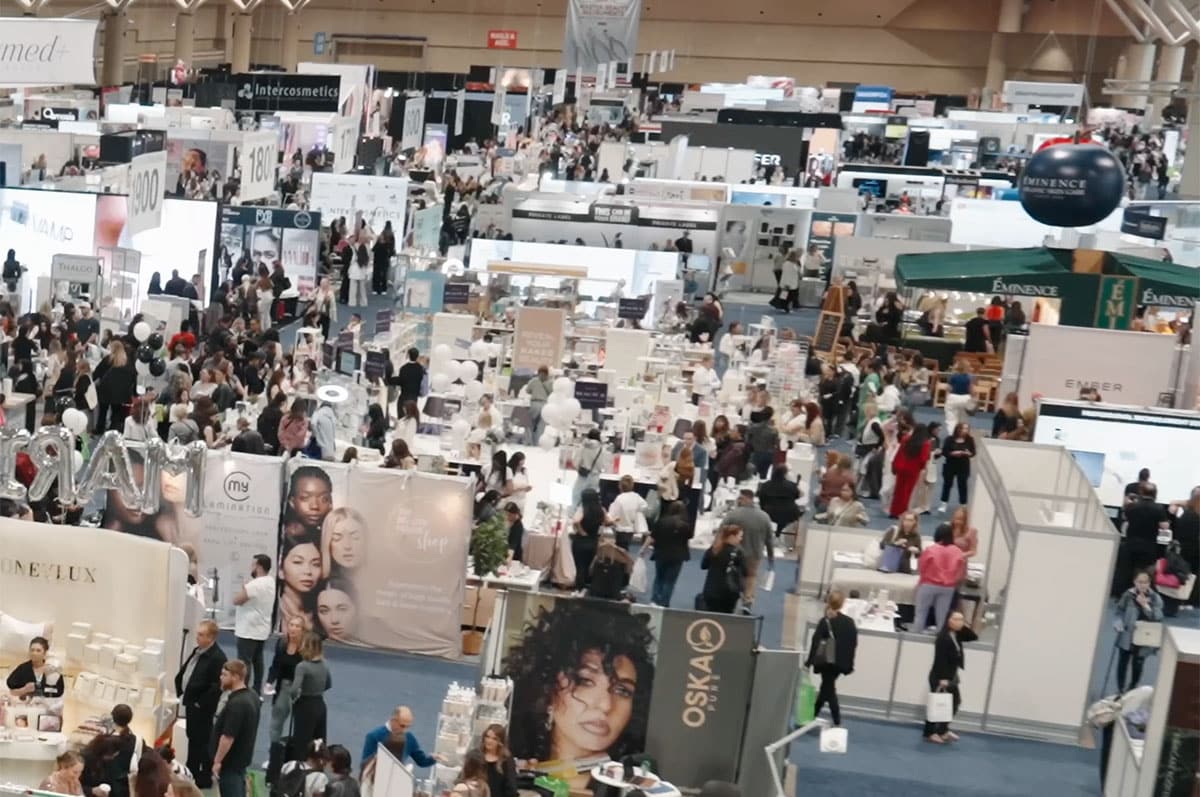
This is precisely where a B2B event such as ESI Show becomes valuable to the professional beauty industry.
Brands, suppliers, distributors, educators and industry professionals come together in one environment.
For the practitioner, this creates an opportunity to go beyond advertising.
- A professional can compare formulations.
- Ask technical questions.
- Watch demonstrations.
- Explore new technologies.
- Discuss training.
- Evaluate protocols.
- Meet suppliers.
- And determine whether a new product or treatment genuinely deserves a place in the practice.
The value is not simply discovering what is new.
It is developing enough understanding to decide what is relevant.
Acne, skin aging and skin concerns: expertise before intervention
Professional skincare is becoming increasingly sophisticated. The industry has more products, ingredients, technologies and treatment options than ever before. But more options do not automatically create better outcomes.
The real professional advantage comes from the ability to assess, select, personalize and adapt.
- Acne requires understanding beyond oiliness.
- Skin aging requires more than an “anti-aging” label.
- Pigmentation requires context.
- Sensitivity may require restraint.
- Barrier health may need to become the first priority.
- Advanced technologies require training and appropriate client selection.
And every protocol must remain within the professional’s qualifications and scope of practice.
For estheticians, medical aestheticians, nurses, physicians, spa owners, clinic managers and professional buyers, this is where education and industry exchange become particularly valuable.
ESI Show provides a B2B environment where professionals can explore the products, technologies, knowledge and partnerships that help transform skin concerns into informed professional treatment strategies.
Because professional expertise is not measured by how many treatments a practitioner can offer.
It is measured by knowing which treatment makes sense, for which skin, at which moment — and why.
Get the latest news!
Subscribe to the ESI SHOW Newsletter