

Equipment & Technology Buying Guide
Compare, evaluate and maximize the profitability of esthetic equipment and technologies before investing in your professional practice
Purchasing a new device is one of the most important decisions for a beauty institute, a spa or a medical esthetics clinic. A new technology can make it possible to add a service, respond to new demand, strengthen the establishment’s positioning or increase revenue. But a poor purchase can also tie up tens of thousands of dollars in equipment that ultimately sees little use.
The possibilities are numerous:
- Laser
- IPL
- Radiofrequency
- Microneedling
- LED
- Body contouring
- Facial technologies
- Skin analysis systems
With so many options and commercial promises, the right question is not, “What is the best device?” but rather: “What is the best device for our business, our clientele and our business model?”
A true esthetic equipment and technology buying guide must therefore help professionals analyze much more than technical specifications. You need to think simultaneously as a practitioner, buyer and entrepreneur.

Start With the Needs of the Business, Not the Device
A spectacular technology is not necessarily the one your business needs. Before even meeting with a manufacturer or distributor, it is useful to examine what is already happening within your establishment:
- Which treatments do clients regularly request?
- Which concerns are you currently unable to address?
- Which services could naturally complement your existing protocols?
- Is there enough demand to support a new investment?
A highly advanced technology can become a poor investment if few clients are interested in it, while a less spectacular solution that addresses recurring demand can quickly become much more profitable.
The starting point should therefore always be genuine professional and commercial demand.
Avoid Buying Simply Because a Technology Is Trending
The esthetics industry evolves extremely quickly. A new technology can suddenly become highly visible on social media, clients begin asking about it, competitors add it to their service menus and owners may feel pressure to follow the trend.
But a trend is not an investment strategy.
Before purchasing, determine whether the technology addresses a lasting concern or only temporary interest. It should also be evaluated according to its compatibility with your clientele, current services and the establishment’s long-term objectives.
Being the first to own a device does not guarantee being the first to make it profitable.
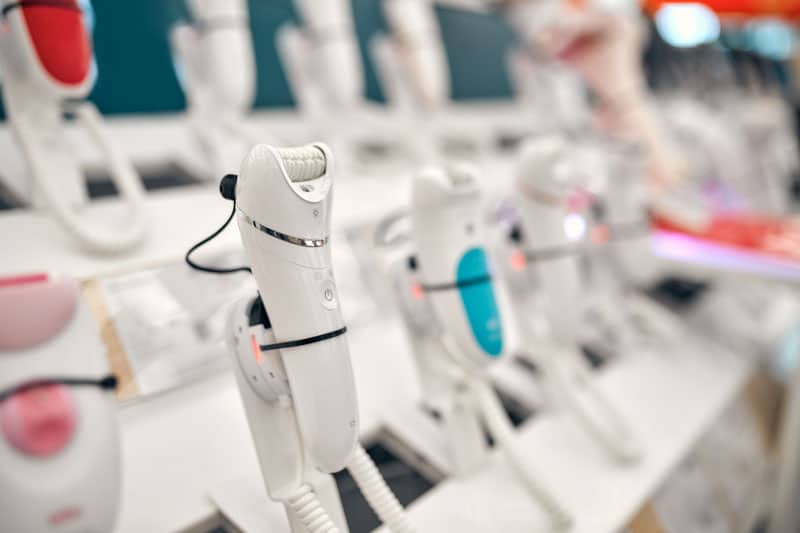
Truly Understand the Technology Being Offered
Two devices may promise exactly the same result while operating according to very different principles. Professionals must therefore look beyond the brochure and understand:
- Technological mechanism
- Applications
- Parameters
- Indications
- Contraindications
- Consumables
- Treatment duration
- Training requirements
It is also essential to determine which functions will actually be used. A device offering ten modalities is not necessarily more valuable than one that performs exceptionally well in two applications that are essential to your practice.
Versatility only has value when the business can actually take advantage of it.
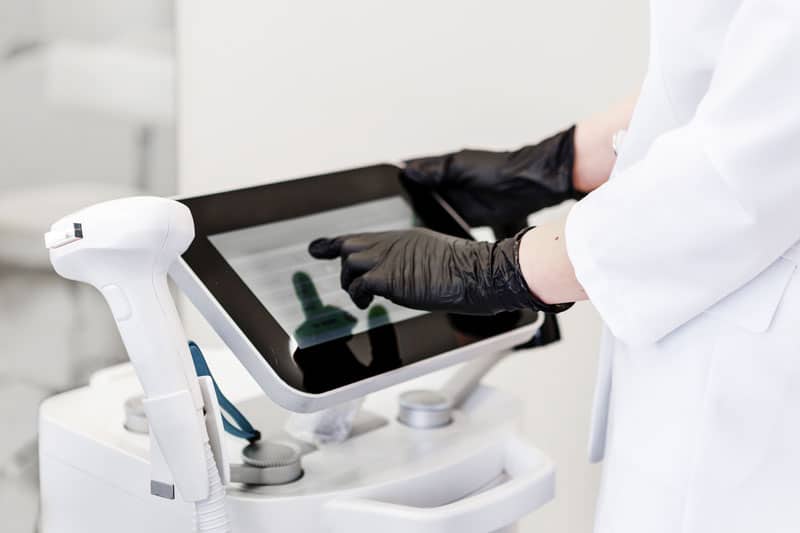
Compare Results, but Also the Operational Experience
Effectiveness is obviously important, but a purchasing decision should not stop at advertised results. You also need to understand how the technology will integrate into daily operations:
- How does a treatment actually unfold?
- How long does it take to prepare the device?
- How much professional involvement is required?
- How long is a treatment room occupied?
- Does the client need multiple sessions?
- Which consumables are required?
- How much time is needed between appointments?
These considerations directly affect operations. A technically impressive treatment may be difficult to make profitable if it occupies a treatment room and professional for an extended period.
The true cost of a service therefore also includes time and the establishment’s production capacity.
Training Must Be Part of the Purchase
A device does not automatically perform well simply because it has been installed. Your team must know how to use it.
Before signing, the buyer should understand exactly what is included in the training:
- Is training provided in person?
- How many team members can be trained?
- Is advanced training available?
- Is training for new employees included?
- Are reference resources available after installation?
- Does the supplier provide support when questions arise later?
The quality of training directly influences utilization, team confidence and the establishment’s ability to properly integrate the technology. Savings at the time of purchase can quickly lose their value if the business later has to pay for several additional training sessions.
Verify Who Can Actually Use the Technology
Before purchasing, it is essential to determine who will actually use the device. Depending on the treatment, technology, profession and applicable framework, requirements may differ.
Owners should therefore avoid basing their decision solely on a sales claim that “everyone can use it.” Qualifications, training and responsibilities associated with the intended procedures must be verified.
This is particularly important in multidisciplinary environments bringing together estheticians, medical esthetics professionals, nurses and physicians. A technology that appears profitable on paper can become much less attractive if only one member of the team can actually operate it.

Calculate the True Cost per Treatment
The purchase price represents only part of the cost. To properly evaluate a technology, consider:
- Financing and depreciation
- Consumables
- Maintenance
- Parts
- Training
- Professional time
These expenses make it possible to establish a much more realistic cost per session. A device requiring an expensive cartridge for every treatment may have a very different financial structure from a system requiring few consumables.
This is why two devices sold at the same price can have completely different profitability.

Calculate the Break-Even Point Before Purchasing
One question should be asked before every major decision: how many treatments will need to be sold to recover the investment?
By dividing the total investment cost by the net margin generated per session, it becomes possible to estimate the number of treatments required to reach the break-even point. That figure must then be translated into operational reality:
- How many treatments does this represent per month?
- Is that realistic with our clientele?
- How long will it take to reach that volume?
A calculation based on the theoretical maximum utilization of the device can quickly create an unrealistic projection. The analysis should instead use conservative assumptions and realistically achievable volume.
Financing Should Not Hide the True Price
Suppliers often present equipment according to a monthly payment. This approach makes it easier to compare the payment with potential revenue, but it should not prevent the buyer from examining the total cost.
Financing, interest rates, term length, fees and contractual obligations should all be considered. A seemingly affordable monthly payment can represent a significant financial commitment over several years.
Buyers should therefore compare the available options:
- Cash purchase
- Financing
- Other available arrangements
The monthly payment is a cash-flow tool; it does not represent the true cost of the investment.
Consumables Can Transform a Device’s Profitability
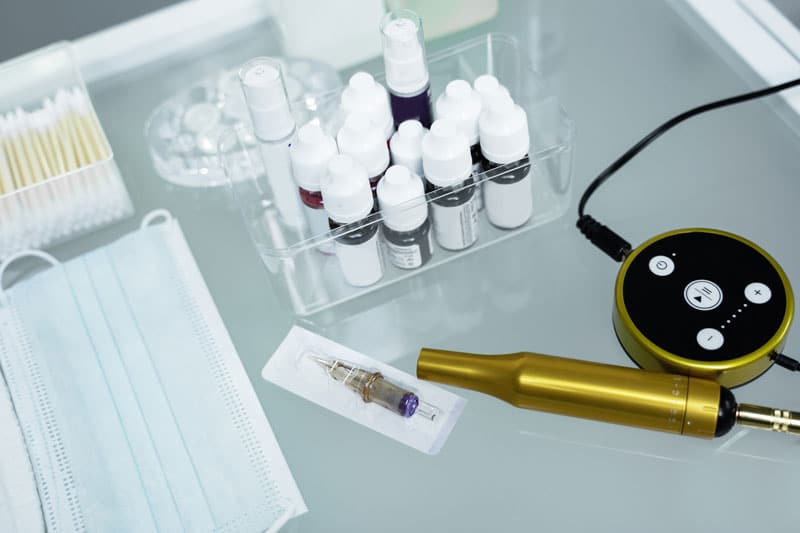
Cartridges, tips, gels, filters and other consumables can represent a significant recurring expense. Professionals should verify:
- Current price
- Quantity required per session
- Availability
- Whether manufacturer-specific consumables are mandatory
A technology that depends heavily on proprietary consumables also creates greater dependence on the supplier. It is therefore important to understand what happens if prices increase or a product becomes temporarily unavailable.
Technical Service Is a Major Purchasing Criterion
A device that is out of service generates no revenue. When a technology plays an important role in the service offering, prolonged downtime can also result in numerous cancelled appointments.
Before purchasing, verify:
- Where are the technicians located?
- What are the typical service times?
- Are parts available in Canada?
- How are repairs handled?
- How long is the warranty?
- What does it cover?
- Is labour included?
- Are technician travel expenses charged?
- Are maintenance contracts available after the warranty?
These factors can be almost as important as the technology itself.
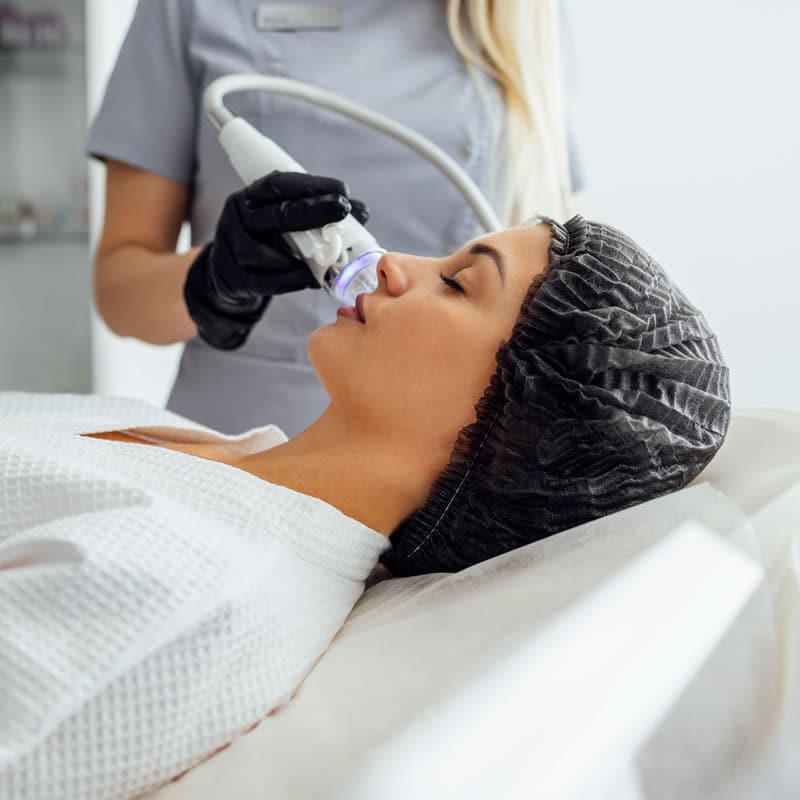
Consider the Equipment’s Life Cycle
A device is rarely purchased for only a few months. Its useful life and future support must therefore be considered:
- Will the manufacturer continue supplying parts?
- Will software continue to be updated?
- Will consumables remain available?
- Is the technology likely to become obsolete quickly?
A slightly more expensive device from an established manufacturer may sometimes represent a safer decision than a lower-cost technology with uncertain long-term support.
Get the latest news!
Subscribe to the ESI SHOW Newsletter

Evaluate the Supplier as Much as the Equipment
When a clinic purchases a technology, it often enters into a relationship with the supplier that lasts several years. That relationship may involve:
- Training
- Maintenance
- Consumables
- Support
- Repairs
- Updates
The decision should therefore not be based solely on the most convincing sales representative. The company itself should be evaluated. How long has it been operating? What is its reputation? Does it have a support structure in Canada? How does it assist clients after the sale?
Compare Devices Using the Same Evaluation Grid
When meeting with several suppliers, it quickly becomes difficult to remember every characteristic. An excellent practice is to create a standardized comparison grid using the same criteria for every device:
- Total price
- Financing
- Cost per treatment
- Consumables
- Applications
- Training
- Warranty
- Maintenance
- Technical service
- Commercial potential
This approach reduces the influence of an excellent sales presentation and turns the comparison into a much more objective process.
See the Technologies in Operation
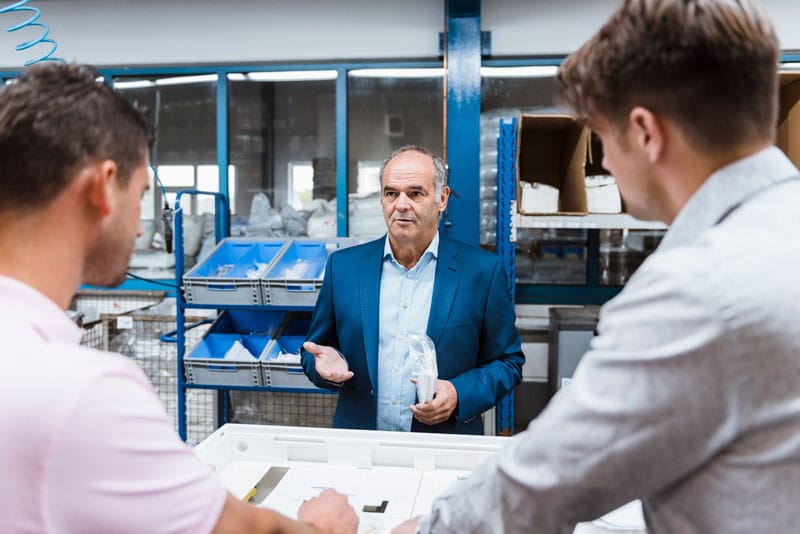
A technical specification sheet does not show everything. Seeing a device in operation allows professionals to observe its ergonomics, interface, noise level, handling and the actual treatment process.
A demonstration can help evaluate:
- Preparation
- Ergonomics
- Interface
- Handling
- Actual treatment duration
- Consumables
- Professional involvement
It also provides an opportunity to ask questions while the technology is being used and to compare several solutions under much more practical conditions.
For professionals, seeing a technology in operation is a particularly valuable step before making a major investment.

A Device Must Fit Into a Strategy, Not Replace It
One of the most expensive mistakes is believing that a new technology will automatically create its own clientele. A device remains a tool and must be supported by:
- A target clientele
- Appropriate pricing
- A trained team
- A launch plan
- Suitable marketing
- A consistent experience
A clinic does not need to own every technology. It needs a clear, coherent and profitable service offering.
Measure Utilization After the Purchase
The process should not end when the device arrives. Its performance must then be measured:
- How many consultations are conducted?
- What percentage convert into treatments?
- How many sessions are performed each week?
- How much revenue does the device generate?
- What margin does it produce?
- What is its utilization rate?
These figures can quickly identify problems related to pricing, marketing, training or demand.
A device that remains underused for several months should not simply be accepted as an unfortunate surprise. The business needs to understand why and adjust its strategy.
ESI Show: Turn the Show Into a Professional Purchasing Tool
This is where a B2B environment such as ESI Show becomes particularly relevant. For an owner, manager or buyer, the show can bring together several stages of the purchasing process:
- Discover
- See
- Compare
- Ask questions
- Meet suppliers
A professional can attend a demonstration, speak with a manufacturer, compare a competing technology a few booths away and gather enough information to continue evaluating options after the event.
There is therefore no need to attend the show with the intention of purchasing immediately. Instead, professionals can arrive with a genuine research and professional comparison mission.
Esthetic Equipment & Technology Buying Guide: Invest for the Right Reasons
A good esthetic equipment and technology buying guide should never end with a list of the most popular devices. The right decision depends on several factors:
- Actual demand
- Professional relevance
- Safety
- Training
- Operating costs
- Supplier quality
- Technical support
- Utilization rate
- Return on investment
The purchasing decision should be based on serious research, a realistic analysis of potential return, supplier evaluation, team training and alignment with the business’s long-term objectives.
For a spa, clinic or medical spa owner, the real objective is never to simply acquire more technology. It is to purchase the right technology, at the right time and for the right reasons.
And this is precisely where ESI Show can become much more than a place for discovery: a comparison and decision-making tool for professional buyers in the beauty industry.

Get the latest news!
Subscribe to the ESI SHOW Newsletter