
Professional Skincare Treatments
Professional intelligence on advanced esthetic technologies, treatment applications, training and practice development
Professional skincare has evolved far beyond the standardized, one-size-fits-all facial.
Today’s estheticians, skincare specialists, medical-aesthetic professionals and clinic teams work with increasingly sophisticated:
products, formulations, treatment protocols, professional techniques and technologies.
The challenge is no longer simply having access to more treatment options.
It is knowing which option makes professional sense for the skin being treated.
Understanding Professional Skincare Treatments means understanding how consultation, skin analysis, product selection, professional technique, technology and home care can work together within a coherent treatment strategy.
A hydrating protocol may be appropriate for one client.
A chemical peel may be more appropriate for another.
Acne-prone skin can require a completely different approach from pigmentation, sensitivity or visible aging.
And advanced technologies such as LED, microneedling or radiofrequency may sometimes complement traditional professional skincare depending on the concern, professional qualifications and treatment environment.
The ESI Show Knowledge Centre brings these subjects together specifically for working beauty professionals, educators, spa and clinic owners, managers and other industry participants.
Because professional expertise is not demonstrated by performing the most complicated treatment.
It is demonstrated by knowing why a particular treatment belongs in the protocol.

This content continues below our upcoming show overview…




Professional Skincare Begins With Assessment
Before selecting a treatment, the professional needs to understand the skin.
- Skin type.
- Current condition.
- Hydration.
- Sensitivity.
- Oil production.
- Texture.
- Pigmentation.
- Visible aging.
- Breakouts.
- Home-care routine.
- Previous treatments.
- Treatment objectives.
- All can influence professional decision-making.
This is why consultation and skin analysis should form the foundation of Professional Skincare Treatments.
A client may arrive requesting a treatment they discovered online.
That does not determine the protocol.
The professional still needs to assess whether the requested service is appropriate.
The treatment menu starts the conversation. Professional assessment determines what should actually be performed.
Start with our complete professional beauty guide

Looking for the bigger picture?
The Complete Guide to Professional Esthetics, Medical Aesthetics & the Beauty Industry in Canada brings together many of the subjects covered throughout the ESI Show Knowledge Centre.
Explore professional skincare, medical aesthetics, formulation science, skin concerns, equipment purchasing, safety, spa and clinic management, industry trends and professional development within one comprehensive resource.
It is an ideal starting point for professionals before moving into the Knowledge Centre’s specialized categories.
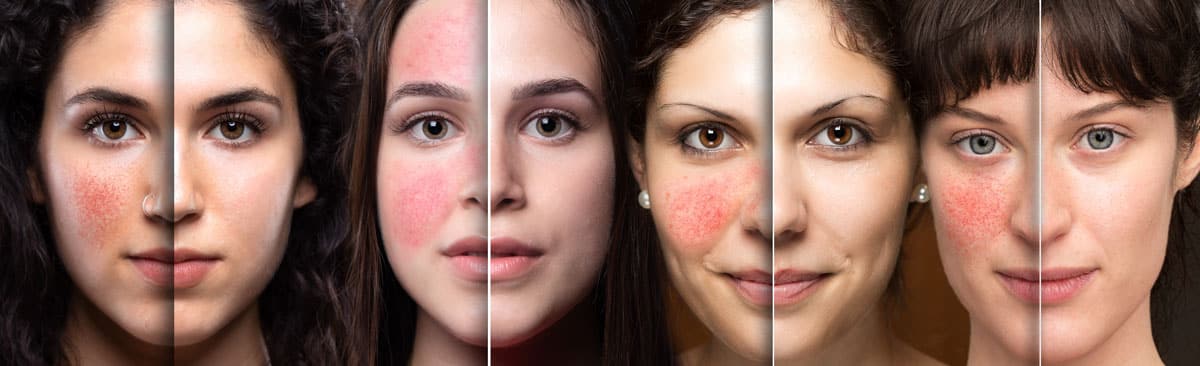
Skin type and skin condition need to be distinguished
This distinction is fundamental to professional treatment planning.
Skin type generally refers to characteristics such as normal, oily, dry or combination.
Conditions can include dehydration, sensitivity, acne, pigmentation, redness, uneven texture and visible aging.
These characteristics can overlap.
- Oily skin can be dehydrated.
- Dry skin can experience breakouts.
- Combination skin can also be sensitive.
Professionals should therefore avoid building treatment protocols around a single label.
Assessment needs to consider both the client’s underlying skin characteristics and what the skin is presenting at the time of treatment.
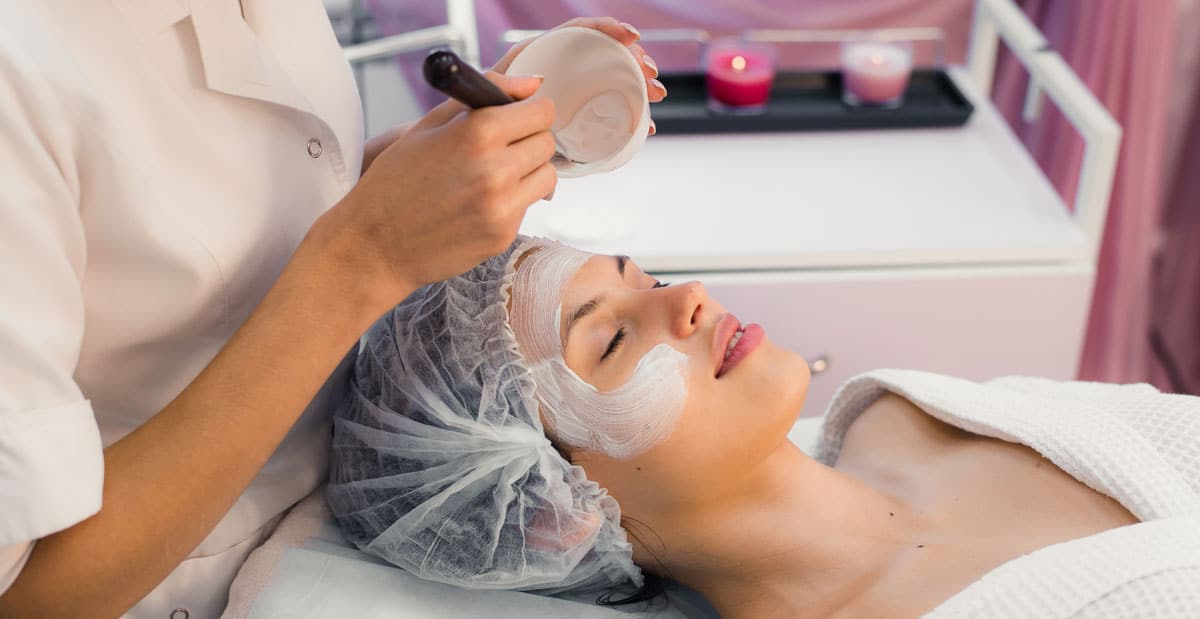
Customized facials demonstrate the value of professional judgment
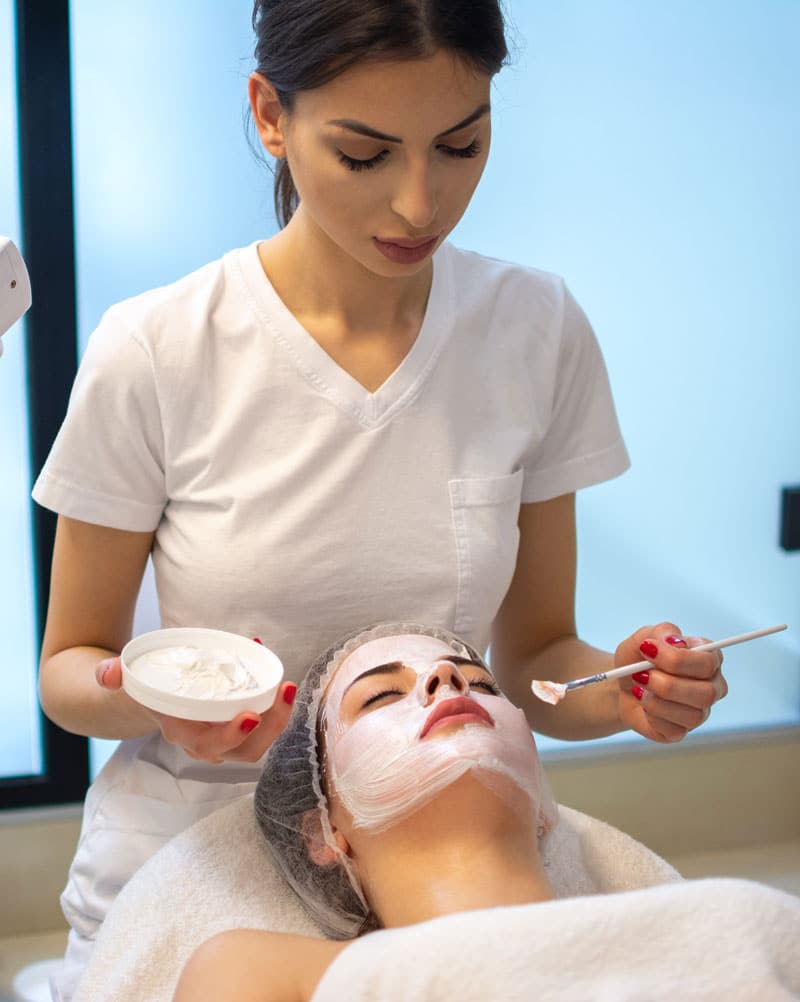
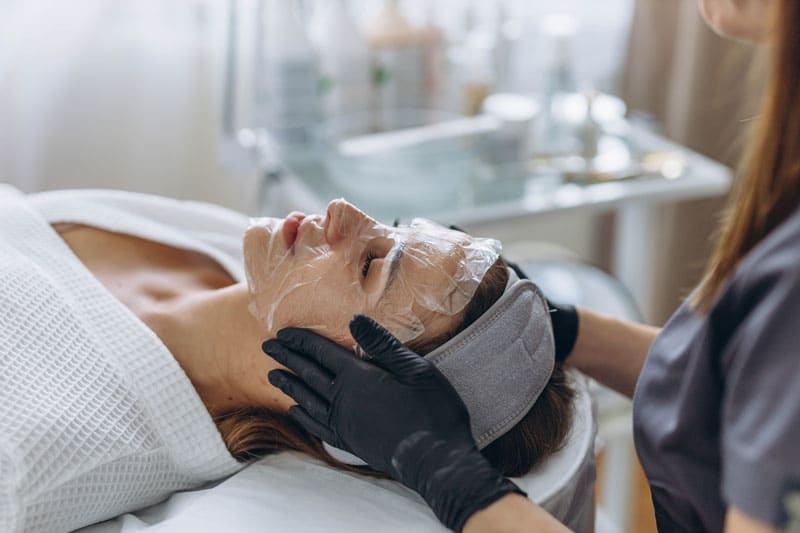
The professional facial remains one of the industry’s most adaptable treatment platforms.
- Cleansing.
- Exfoliation.
- Steam where appropriate.
- Extractions.
- Massage.
- Masks.
- Serums.
- Moisturizers.
- Technology.
None of these steps necessarily needs to be performed identically on every client.
That adaptability is precisely where professional expertise becomes valuable.
- Products can change.
- Treatment intensity can change.
- Individual steps can be added, modified or removed.
- Technology can be incorporated where appropriate.
The facial becomes a professional framework rather than a predetermined sequence.
This also allows protocols to evolve as the client’s skin changes.
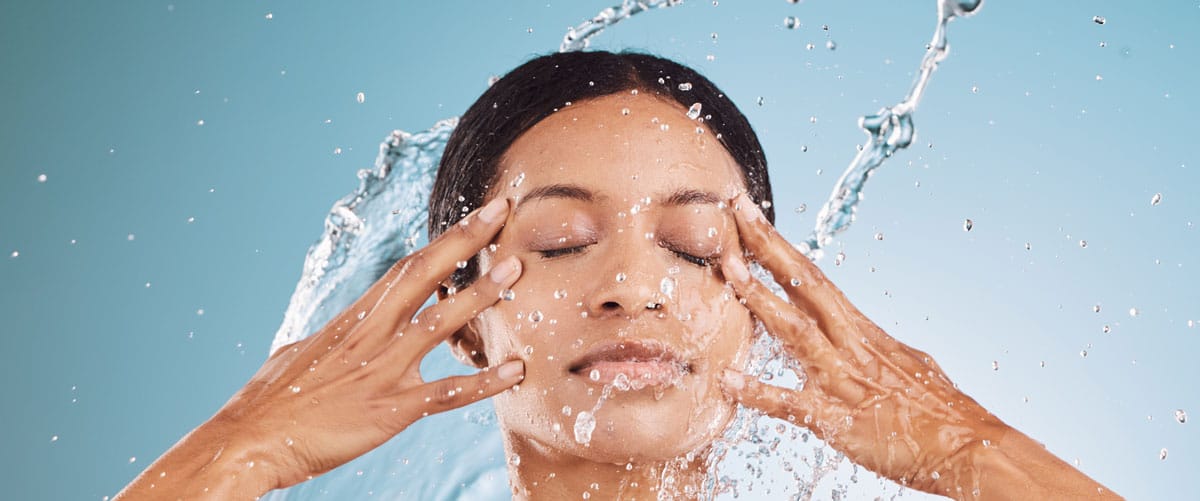
Treatment objectives should influence protocol design
Not every professional facial serves the same purpose.
Some treatments emphasize hydration, comfort, relaxation and general skin maintenance.
Others may focus more specifically on acne, pigmentation, texture or visible aging.
Neither approach is inherently more professional.
The important question is: What is the objective of the service, and does the protocol support it?
For spa and clinic owners, this distinction also matters when designing a treatment menu.
A relaxation-oriented facial and a highly targeted professional protocol can coexist successfully when their positioning, pricing, treatment time and client expectations are clearly differentiated.

50 professional questions about skincare treatments
- How should a customized facial be structured?
- How should treatment frequency be determined?
- When might an enzyme treatment be selected instead of a chemical peel?
- How should oily but dehydrated skin influence a protocol?
- What professional role can LED play within a facial?
- When are extractions appropriate?
- How should home care support professional treatments?
- How should treatment series be structured?
Our collection of 50 Professional Skincare Treatments FAQs provides concise answers to practical questions involving:
facials, exfoliation, products, professional techniques, protocol development and treatment planning.
Use the FAQs to investigate individual treatment questions or continue into our professional guides for deeper context.
Discover professional skincare in action at Esi Show
Reading about a treatment provides knowledge.
Watching professionals, educators and suppliers demonstrate it adds context.
ESI Show brings together estheticians, skincare professionals, spa and clinic owners, educators, professional skincare brands, distributors, manufacturers and technology companies within a dedicated B2B environment.
Industry professionals can explore professional skincare lines, compare formulations, learn about treatment protocols, observe demonstrations, investigate equipment and speak directly with the companies developing professional products and technologies.
For spa and clinic owners, this can also provide valuable intelligence when evaluating:
new product lines, new treatment concepts and potential additions to the service menu.
- Ask how the protocol works.
- Ask what training is available.
- Ask about professional product costs.
- Ask how it integrates with existing services.
- Ask what makes the treatment commercially viable.
ESI Show is a dedicated B2B trade show for beauty, esthetics and medical-aesthetics professionals and is not open to the general public.
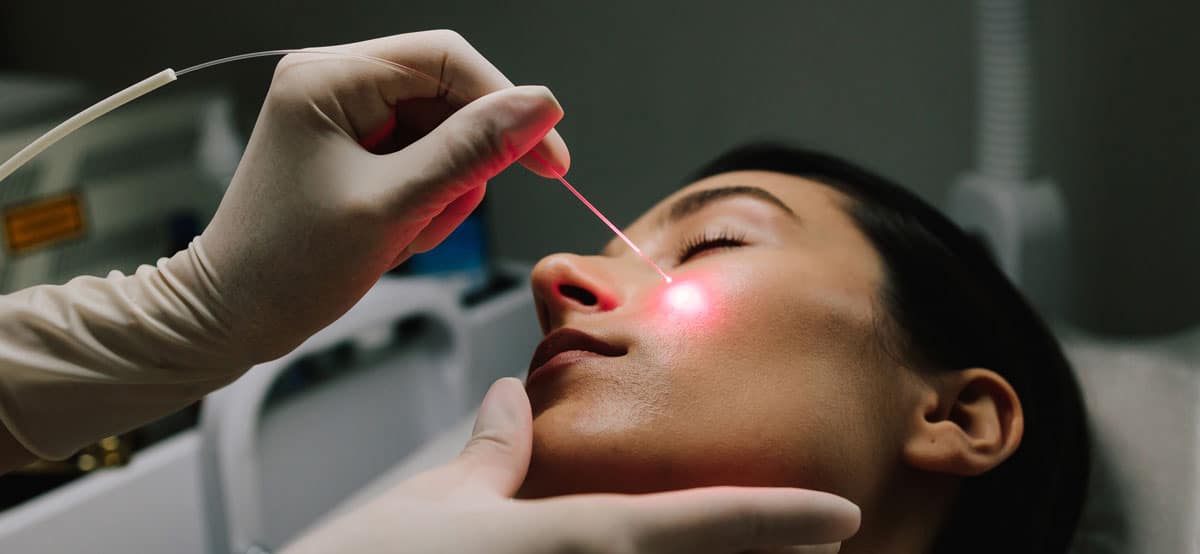
Professional Skincare Treatments: Personalization Is the Professional Advantage
The professional beauty industry offers more products, ingredients, treatments and technologies than ever before. That creates enormous opportunity. It can also create unnecessary complexity.
The professional’s role is to bring those options together intelligently.
- Understand the skin.
- Identify the concern.
- Establish the objective.
- Select the appropriate treatment.
- Choose suitable formulations.
- Introduce technology when it contributes value.
- Communicate realistic expectations.
- Recommend appropriate home care.
- Document progress.
- Reassess.
- Adapt.
That is what transforms Professional Skincare Treatments into professional skincare strategy.
- A facial is more than a sequence of steps.
- A peel is more than an acid.
- An LED device is more than a machine.
- A serum is more than an active ingredient.
Their professional value comes from why they were selected, how they work together and whether they support the treatment objective.
That is ultimately the expertise the client is paying for.
And it is the expertise that distinguishes a professional treatment from simply having access to professional products and equipment.
Explore Our Medical Esthetics & Advanced Technologies Knowledge Centre
Deep-Cleansing Treatments Require Controlled Technique
Congestion and excess oil may lead professionals toward deep-cleansing protocols involving: cleansing, exfoliation, extractions, targeted masks and carefully selected professional products.
But intensity should not be confused with effectiveness.
Aggressive treatment can create unnecessary irritation, particularly when acne, inflammation or barrier compromise is present.
The professional objective should be: improve the condition while preserving skin integrity.
This is where professional technique, assessment and product knowledge distinguish a thoughtful protocol from an aggressive one.
Acne Protocols Need to Reflect the Presentation
Acne is not one universal presentation.
- Congestion.
- Blackheads.
- Whiteheads.
- Inflammatory lesions.
- Adult acne.
- Post-acne marks.
And acne-prone skin may simultaneously be oily, dehydrated or sensitive.
Professional approaches can therefore vary considerably.
Depending on assessment and qualifications, strategies may involve customized facials, appropriate extractions, exfoliation, chemical peels, LED and carefully selected home care.
More advanced technologies may also become relevant in appropriate professional settings.
The objective is not to have one acne treatment.
It is to understand which professional tools are appropriate for the presentation being treated.
Hydration Is a Professional Strategy — Not Simply a Facial Category
Hydration is relevant across many skin types and treatment objectives.
Professional hydrating protocols may support moisture, comfort, barrier condition and the appearance of dehydration.
But one of the important professional distinctions is that oily does not automatically mean hydrated.
A client presenting with surface shine may still have significant dehydration.
Automatically reaching for stronger oil-removing products could therefore move the treatment strategy in the wrong direction.
Professional assessment allows practitioners to distinguish what is visible from what the skin actually requires.
Sensitive Skin Can Require Professional Restraint
Professional skincare should never become a competition to deliver the strongest possible treatment.
Sensitive or sensitized skin may require gentler cleansing, barrier-supporting formulations, reduced exfoliation and carefully selected treatment steps.
Sometimes the professional decision is to reduce treatment intensity.
Sometimes it is to postpone a procedure.
And sometimes persistent redness or irritation may warrant referral or additional professional evaluation.
Knowing when to do less is an important professional skill.
Professional Exfoliation Requires Selection — Not Maximum Intensity
Exfoliation remains fundamental to many professional protocols.
Available approaches may include physical exfoliation, enzymes, AHA-based products, BHA-based products and professional chemical peels.
But these options should not simply be viewed as a ladder from weakest to strongest.
Each represents a different professional tool.
Selection should reflect skin type, condition, treatment objective, tolerance and other relevant considerations.
Stronger is not automatically better. Appropriate is better.
Enzyme Treatments Expand Protocol Flexibility
Enzyme treatments can provide another professional exfoliation option and may be incorporated into customized protocols where a practitioner wants surface exfoliation without automatically moving toward a stronger acid-based treatment.
This illustrates why a professional treatment menu benefits from having different levels and mechanisms of treatment available.
The objective is not to create as many menu items as possible.
It is to give practitioners enough appropriate tools to customize intelligently.
Chemical Peels Require Formulation and Protocol Knowledge
Chemical peels may be incorporated into professional strategies involving acne, pigmentation, texture, visible aging and uneven tone.
But the term chemical peel encompasses treatments with substantially different formulations, strengths and professional applications.
Practitioners need to understand the formulation, professional protocol, client selection, contraindications and aftercare.
The objective is not simply to produce visible peeling.
Controlled treatment is the objective.
For owners introducing professional peel services, product education and practitioner training should therefore be considered part of implementation.
Brightening Protocols Need to Look Beyond the Visible Spot
Professional brightening treatments may combine exfoliation, targeted ingredients, masks, serums and appropriate home-care recommendations.
But pigmentation requires professional investigation.
Different forms of visible discolouration can have different origins.
A protocol should therefore consider the broader condition of the skin, history and relevant contributing factors.
This is another area where a standardized treatment can easily become inappropriate.
Treating pigmentation professionally begins with understanding what the practitioner is actually observing.
Visible Aging Is Better Approached as Multiple Professional Concerns
“Aging skin” is an extremely broad category.
Clients may present with fine lines, wrinkles, dryness, texture changes, loss of firmness, uneven pigmentation or dullness.
Professional treatment planning becomes stronger when practitioners identify the specific concerns rather than simply assigning an anti-aging protocol based on age.
Depending on assessment and qualifications, the strategy might incorporate professional facials, active ingredients, chemical peels, LED, microneedling, radiofrequency or other technologies.
Two clients of the same age can therefore receive entirely different professional recommendations.
LED Can Complement Existing Professional Protocols
LED demonstrates how technology can enhance professional skincare without necessarily replacing traditional esthetic technique.
Depending on the equipment and intended application, different wavelengths may be incorporated into facials or broader treatment programs.
For professionals, the important question is not: “Can we add LED?”
It is: “What purpose does LED serve within this protocol?”
Technology adds professional value when it contributes to a defined treatment objective.
Established Technologies Still Have Professional Value
Innovation receives considerable attention within the beauty industry.
But new does not automatically mean better.
Established modalities such as high-frequency treatments may still have a legitimate place within appropriate professional protocols.
The same principle applies throughout treatment planning.
Professionals should understand both: established techniques and emerging technologies.
Then select according to professional relevance rather than novelty.
Technology Can Create a Bridge Between Traditional and Advanced Esthetics
Certain professional technologies can enhance facial protocols without necessarily moving the practice directly into more advanced medical-aesthetic procedures.
Ultrasonic systems are one example, depending on their intended professional application.
This can allow businesses to gradually expand treatment capability.
For owners, that creates another useful strategic question: Does the next technology need to completely transform our treatment menu—or simply make our existing treatments better?
Not every technology investment needs to create an entirely new treatment category.
Hands-On Technique Still Matters
Technology receives enormous attention.
Professional hands-on skill remains valuable.
Facial massage can contribute to client experience, relaxation and other objectives depending on the protocol.
The amount and style of massage can also change according to treatment positioning.
A relaxation-oriented service may place greater emphasis on massage.
A highly targeted protocol may allocate more treatment time to corrective steps.
The professional technique should support the service objective.
Extractions Require Professional Judgment
Appropriate extractions can form part of certain congestion-focused protocols.
But the objective is not to remove every visible imperfection during one appointment.
Professionals need to determine what is appropriate to extract, what should be left alone and when continued manipulation risks unnecessary irritation.
Skin integrity remains the priority.
This is another example of why professional treatment value comes not simply from what can be done, but from knowing what should be done.
Professional Serums and Boosters Increase Customization
Professional formulations allow practitioners to tailor protocols around specific objectives.
- Hydration.
- Brightness.
- Barrier support.
- Acne-prone skin.
- Visible aging.
- Different serums, concentrates or boosters may be selected accordingly.
But customization requires product knowledge.
Professionals should understand why an ingredient is being selected, what role it serves and how it fits within the overall protocol.
Otherwise, adding more products simply creates a more complicated facial.
Get the latest news!
Subscribe to the ESI SHOW Newsletter

Past Events
Watch our exhibitor testimonials