

Professional Skincare Treatments
Structuring professional skin treatments around analysis, personalization, combined protocols and thoughtful technology selection
Professional skin treatments have evolved considerably. Traditional facials have been joined by professional peels, LED phototherapy, microneedling, radiofrequency, lasers, IPL and various skin resurfacing and analysis technologies.
This diversification gives practitioners many more possibilities, but it also creates an additional responsibility: knowing how to choose. For estheticians, medical esthetics professionals, nurses, physicians, spa owners and clinic managers, having access to numerous modalities only has value when they are integrated into coherent protocols.
Four elements remain at the heart of professional treatments: accurate skin analysis, appropriate treatment selection, coherent protocols and ongoing client education. Treatment should therefore never begin with “Which device are we going to use?” but rather: “What are we actually trying to improve, and why?”
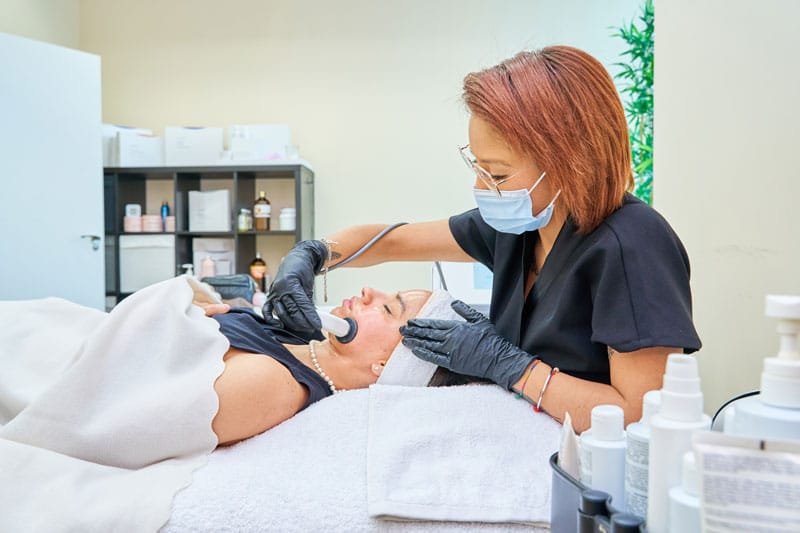
Professional Analysis Must Come Before Treatment
Skin analysis is the starting point. A person may say they have “dry skin,” while observation and consultation reveal dehydration, sensitivity, barrier impairment or aging concerns. Likewise, acne does not automatically mean oily skin.
Professionals must therefore look beyond the initial impression and consider several factors:
- Skin type and current condition
- Aging
- Barrier function
- Hydration
- Inflammation
- Pigmentation
Rather than automatically matching a client with a predetermined treatment, the professional selects interventions according to what is actually observed. The treatment becomes personalized before the first product is even applied.
The Professional Facial Remains an Essential Foundation
The arrival of new technologies has not made the traditional facial obsolete. On the contrary, its greatest strength remains its adaptability.
Cleansing, exfoliation, hydration and other steps can be adjusted according to the condition observed at the time of the appointment. The professional can monitor changes in the skin, adjust intensity, modify certain products and gradually integrate other interventions.
The facial can therefore become much more than an isolated service: it can form the foundation of an evolving professional skincare program.
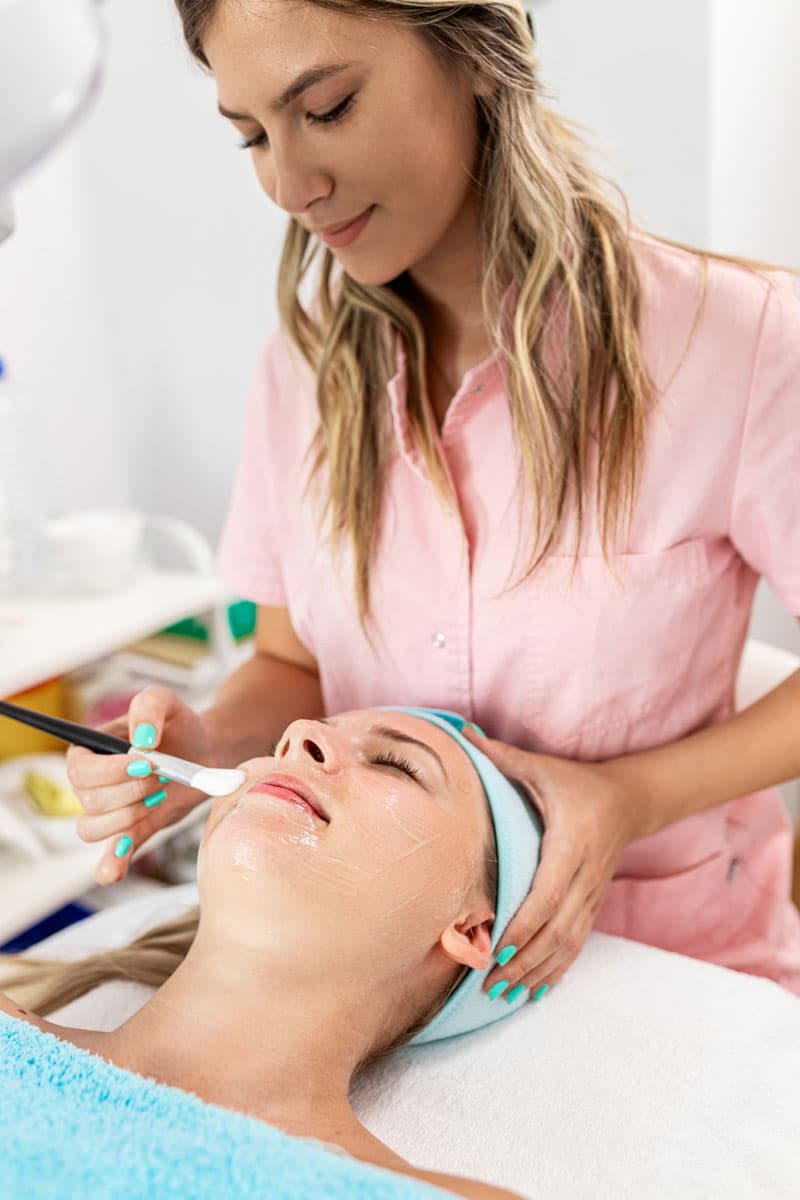
Exfoliation: Intensity Is Not an Indicator of Quality
Exfoliation can take different forms:
- Mechanical exfoliation
- AHAs
- BHAs
- Professional peels
The choice depends on the skin, its tolerance and the desired objective. More intensive exfoliation is not automatically better exfoliation.
Sensitive or compromised skin may require a more progressive approach, while skin accustomed to certain active ingredients may tolerate a different strategy. Professional skill is therefore not measured by producing the most dramatic reaction, but by determining the appropriate level of intervention.
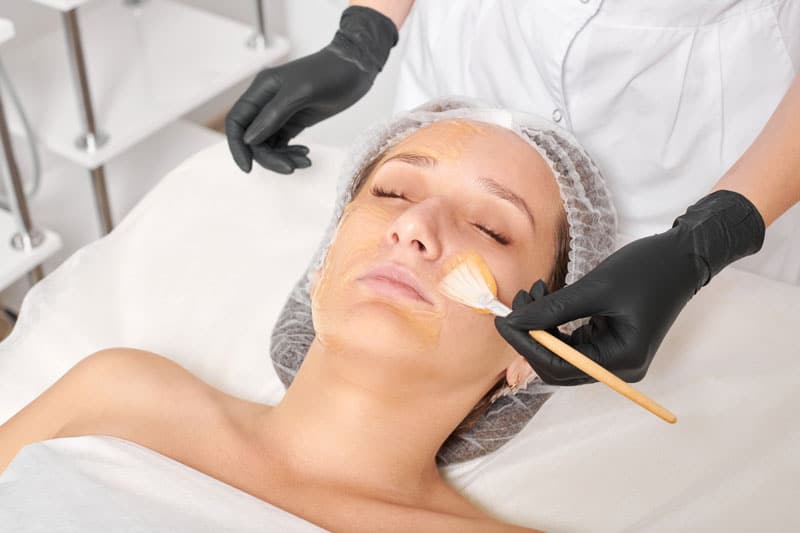
Professional Peels Require an Understanding of Formulation
The term “peel” covers a wide variety of products and protocols. Ingredients, concentrations, formulations, applications and precautions can vary considerably.
Proper professional training should provide an understanding not only of how to apply the product, but also:
- Why this formulation?
- For which profile?
- At what frequency?
- In what sequence?
- With which products before or after?
The effectiveness of a peel never depends simply on its strength. It depends on its appropriate integration into the protocol.
Extractions Should Remain Selective and Professional
Extractions can have a place in certain treatments, but attempting to extract every imperfection at all costs can cause more irritation than benefit.
The professional must determine which extractions are appropriate and which should be avoided. Their role also includes client education: explaining why certain lesions should not be manipulated, recommending a more coherent approach and reviewing certain at-home habits.
Professional treatment therefore extends far beyond the sixty or ninety minutes spent in the treatment room.
Hydration Remains Fundamental, Even in a Highly Technological Practice
Advanced technologies attract considerable attention, but the skin’s fundamental needs do not disappear. Dehydrated skin can appear dull, feel uncomfortable and make certain superficial fine lines more visible.
Before multiplying corrective interventions, it may therefore be appropriate to support hydration and the skin barrier. Advanced technology should never distract from the overall condition of the skin. Sometimes, the best professional decision is to stabilize before correcting.
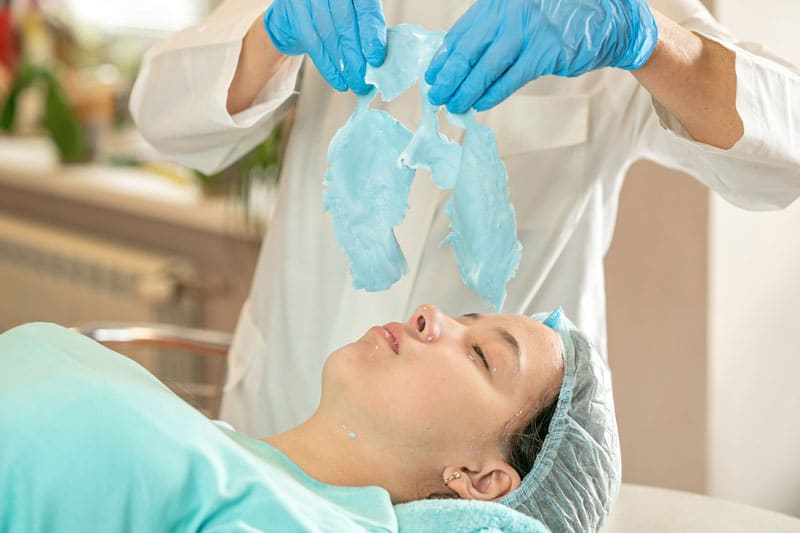
LED: A Technology That Can Complement Different Protocols
LED phototherapy can be integrated into different professional environments depending on the technology and protocol objectives. Its value can lie in its ability to serve as a complementary modality rather than necessarily functioning as a stand-alone treatment.
The question is therefore not simply “Do we have LED?” but rather: what role does it play within our treatment structure?
- Preparation
- Complement
- Maintenance
- Combined program
The same reasoning should apply to other technologies. A device becomes truly useful when it has a clearly defined function within treatment protocols.
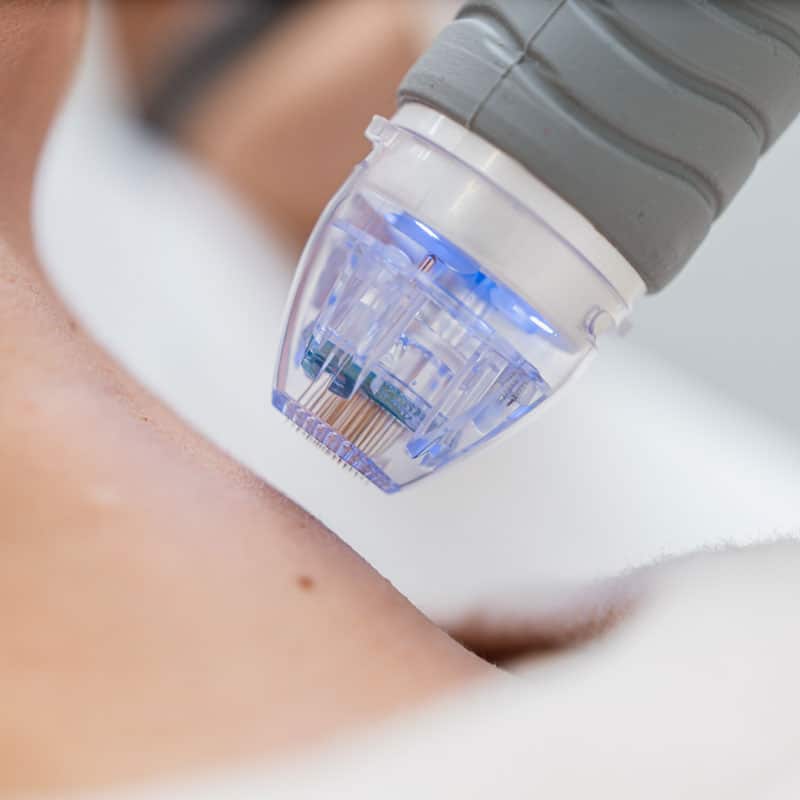
Microneedling: A Technique to Integrate With Intention
Microneedling is among the techniques used in different professional environments according to applicable qualifications and requirements. However, it should be considered as one component of a plan that takes several factors into account:
- Skin condition
- Objective
- History
- Treatment intervals
- Complementary products
- Follow-up
The simple fact that a client requests microneedling should not automatically determine the recommendation. The professional must establish whether the technique is appropriate within the context of that skin and that skincare program.
Radiofrequency: Technology Should Not Replace Analysis
Radiofrequency has helped diversify professional treatments, but different platforms can operate in very different ways.
Integrating radiofrequency therefore requires a clear understanding of its applications, parameters, treatment time, training requirements and role within the overall program.
Professionals should never build a treatment around the need to use a device simply because the establishment purchased it. The need determines the use of technology — never the other way around.
Laser and IPL Further Expand the Service Offering
Laser, IPL, radiofrequency, microneedling, ultrasound and various resurfacing technologies can allow qualified professionals to expand their services according to their practice environment.
But the device never replaces expertise. Several areas of knowledge remain essential:
- Client selection
- Indications
- Contraindications
- Parameters
- Safety
The more advanced the technology becomes, the more important training becomes.
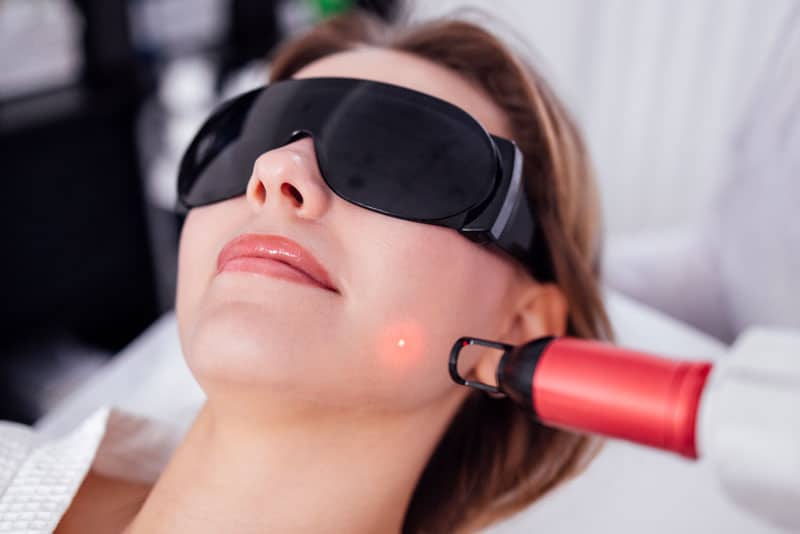
Acne Requires a Protocol That Can Evolve Over Time
Acne is a common concern, but it does not always present in the same way. Different approaches may be incorporated into certain programs: facials, peels, extractions, LED, microneedling or certain medical esthetics interventions, depending on the situation.
The important element is progression. The protocol may initially focus on active breakouts and later evolve toward marks, redness or textural irregularities.
Professionals should therefore think in sequences rather than in terms of a single treatment.
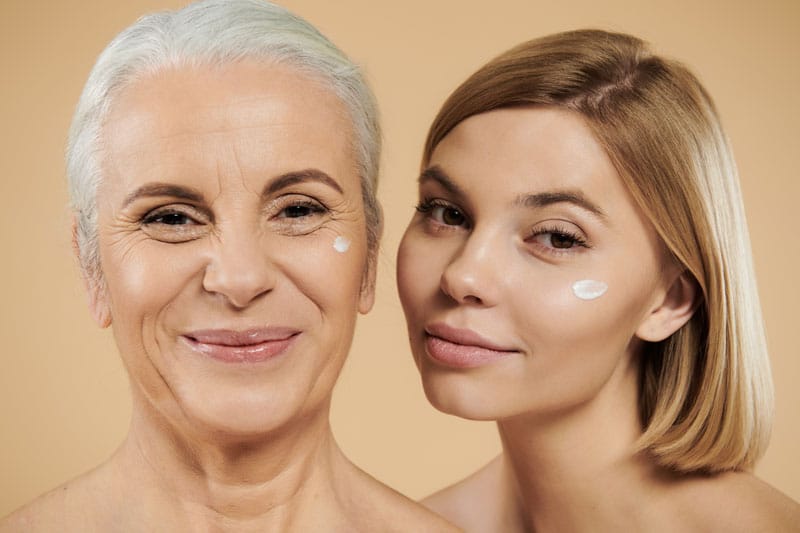
Anti-Aging Protocols Are Becoming More Progressive
The way aging is approached is also evolving. Some clients are less interested in dramatic transformation than in gradual improvements in texture, firmness, radiance and overall appearance.
A program can therefore include different phases combining:
- Professional treatments
- Exfoliation
- Home care products
- Technologies
- Maintenance
This approach also helps manage expectations more effectively. Skin continually evolves; the protocol can therefore also be designed as a process.
Get the latest news!
Subscribe to the ESI SHOW Newsletter

Pigmentation: History Matters as Much as Appearance
Pigmentation irregularities should never be treated simply because they resemble a familiar image. Professionals must consider their appearance, history and context before selecting products, exfoliation or technologies.
Depending on the situation, sun protection and home care may also become essential parts of the program. A treatment performed only a few times a year must be supported by what happens between appointments.
Sensitivity and Redness: Knowing When to Do Less
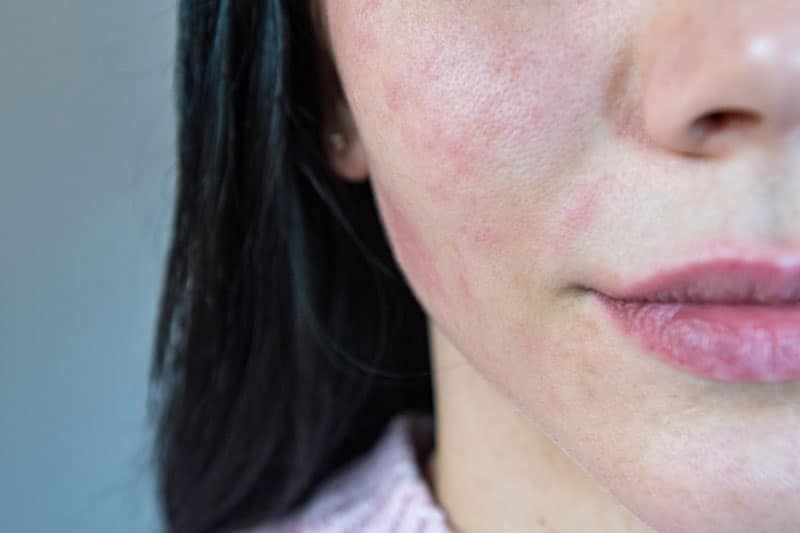
Some of the most professional decisions involve precisely not increasing treatment intensity. Sensitive skin can easily be overtreated when exfoliants, active ingredients and interventions are accumulated in an effort to achieve faster results.
A simplified routine, gentler protocol and controlled progression may be more appropriate. The ability to reduce intensity distinguishes a thoughtful protocol from a succession of interventions added simply to create the impression of “doing more.”
Combined Protocols Represent a Major Direction in Professional Practice
One of the important developments in professional practice is the thoughtful combination of different approaches. Depending on the situation and professional qualifications, a program may include:
- Facial treatments
- Exfoliation
- Professional products
- LED
- Microneedling
- Radiofrequency
- Other appropriate modalities
But combining does not mean accumulating. Every component should have a purpose: why this technology, why now, why this product and why this frequency?
Sophistication does not lie in the number of steps, but in their coherence.

Sequencing Treatments Is as Important as Selecting Them
In a combined program, timing matters. A technique may be appropriate, but not necessarily at the present moment.
Professionals need to consider intervals, tolerance and changes in the skin. Some interventions may prepare the skin, others may target a specific concern and others may help maintain results.
This structure is what transforms a series of appointments into a structured professional plan.
The Home Care Routine Must Support the Professional Protocol
A treatment performed in a clinic represents only a small fraction of the client’s daily life. The home care routine occupies the rest of the time and should therefore remain consistent with professional objectives.
Several factors can influence tolerance and progression:
- Overly aggressive products
- Unnecessary combinations
- Inappropriate frequency of use
Professionals need to understand what clients are using between appointments. Product recommendations then become a logical component of the plan rather than a separate retail sale at the counter.
Documentation Makes It Possible to Properly Evaluate the Protocol
Personalization must be monitored and reassessed. Professional documentation can include:
- Observations
- Products used
- Treatments
- Parameters when relevant
- Reactions
- Progression
This information makes it possible to compare appointments, evaluate progress and provide better continuity when a client is treated by several members of the team. Personalization cannot rely on memory alone.

Measure the Commercial Viability of a New Treatment
For an owner or manager, a treatment must be professionally relevant, but it must also be viable. Several factors should be considered:
- Treatment duration
- Cost of products and consumables
- Required technology
- Training
- Acceptable price
- Booking frequency
An exceptional treatment may be difficult to maintain if it requires considerable time, consumables or expensive technology without sufficient demand. Conversely, a popular, repeatable protocol that integrates easily into the schedule can become an excellent driver of client retention.
Service development therefore always requires two considerations: professional value + commercial viability.
The Treatment Must Be Transferable Across the Team
When a spa or clinic has several practitioners, protocols should not exist only in one person’s head. They must be explainable and reproducible within a coherent framework that includes:
- Consultation
- Selection criteria
- Sequence
- Products
- Parameters
- Follow-up
This standardization does not mean every client receives exactly the same treatment. Rather, it standardizes the way personalization is approached.
ESI Show: Evolve Protocols Rather Than Simply Discover Products
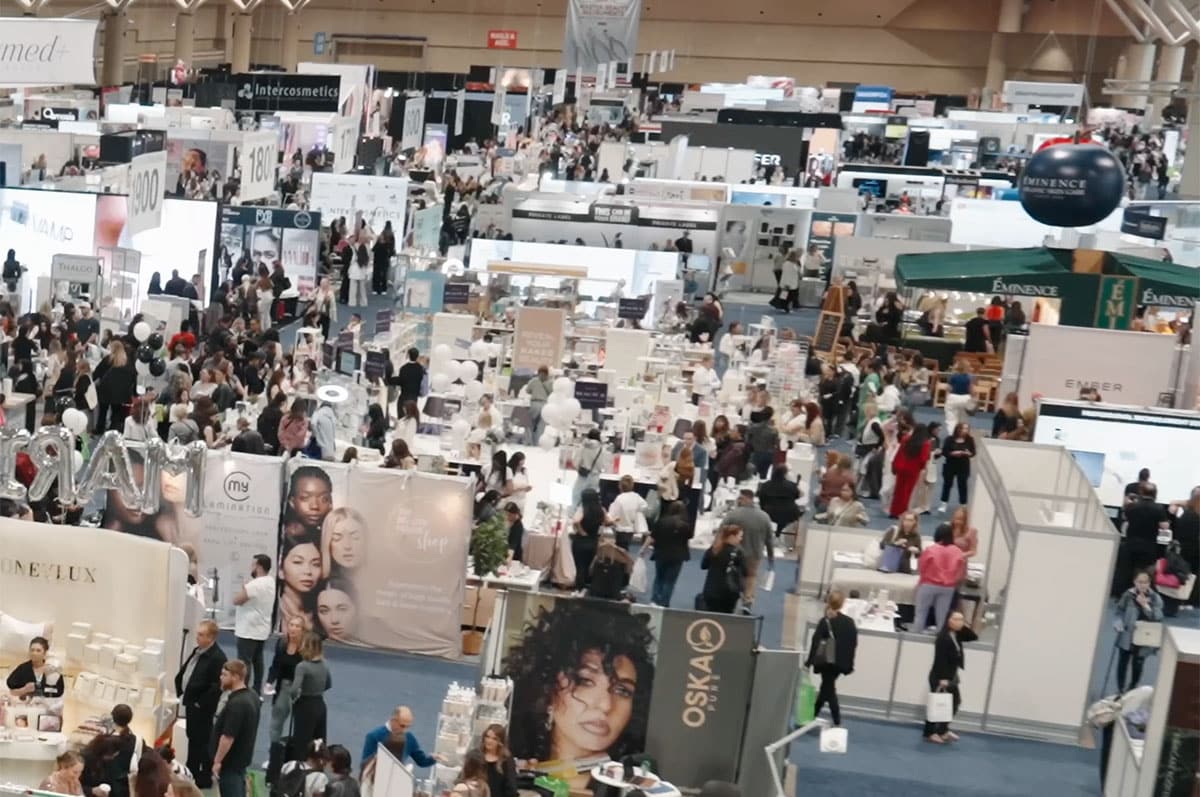
This is precisely where ESI Show can become a particularly useful tool. The show provides opportunities to meet the brands, manufacturers, distributors and educators developing products and technologies that may eventually become part of professional protocols.
A professional visit should, however, go beyond discovery. Important questions include:
- Does this technology meet the needs of our clientele?
- What training does it require?
- How does it combine with our existing treatments?
- What consumables are required?
- Which professional product line supports the treatment?
- What support does the supplier provide?
These questions help transform an innovation into a genuine professional tool.
Professional Skin Treatments: Personalize, Combine and Support
Professional skin treatments will continue to become more sophisticated. New formulations, technologies and techniques will complement those already available, but the fundamental principle will remain surprisingly simple: understand the skin before treating it.
Analysis identifies the needs, the protocol establishes priorities, and products and technologies are then selected according to specific objectives. Follow-up and home care support the skin’s evolution between appointments.
For practitioners and owners alike, the value therefore does not lie in the number of treatments available, but in knowing when to use them, how to combine them, when to adjust them and when not to use them at all.
This is also what makes ESI Show particularly relevant as a B2B event. Professionals do not attend simply to see what is new, but to discover what could genuinely improve the way they practice — and acquire the knowledge needed to integrate these innovations intelligently.
Get the latest news!
Subscribe to the ESI SHOW Newsletter