

Skincare Ingredients & Formulation Science
Understanding cosmetic ingredients and formulation science to better evaluate products, build coherent protocols and select professional product lines
In professional esthetics, knowing the name of a popular ingredient is no longer enough. Retinol, peptides, vitamin C, niacinamide, hyaluronic acid, ceramides, AHAs and BHAs are now part of the industry’s everyday vocabulary, but their simple presence on a label does not determine a product’s quality, relevance or potential performance.
True expertise requires a broader understanding of cosmetic ingredients and formulation science. A formulation is a system in which several factors can influence the final product:
- Concentration
- pH
- Stability
- Ingredient compatibility
- Delivery system
- Packaging
For estheticians, medical esthetics professionals, nurses, physicians, buyers and managers, this knowledge makes it possible to better evaluate what brands are offering and ask the right questions before integrating a product into professional practice.
A Star Ingredient Does Not Necessarily Make an Excellent Formulation
The cosmetics market relies heavily on star ingredients. When an active becomes popular, its name quickly appears on packaging, displays and marketing campaigns.
Yet two products containing the same active ingredient can be very different. The complete formulation can influence texture, stability, application, tolerance and how the product integrates into a protocol.
Professionals should therefore avoid an overly simplistic conclusion: “This product contains ingredient X, so it must be better.”
A formulation is a complete system built around a specific objective. Some ingredients contribute directly to the desired action, while others support texture, preservation, stability or the delivery system.
The ingredient attracts attention. The formulation determines the product’s overall coherence.
Understand the Function Before Recommending the Active Ingredient
Different ingredient families can address different needs:
- Hydration
- Texture
- Skin barrier
- Exfoliation
- Radiance
- Pigmentation
- Blemishes
- Tolerance
Peptides, ceramides, AHAs, BHAs and other actives then become relevant according to the objective being pursued.
This approach completely changes product selection. Professionals no longer build a product line around a succession of popular ingredients, but around specific needs and coherent protocols.
Concentration Changes the Conversation
The name of an ingredient tells only part of the story. Its concentration can also influence how a formulation is evaluated, but a common mistake is assuming that a higher percentage is automatically better.
A formulation containing 10% is not necessarily superior to one containing 5%. Instead, professionals should understand:
- Why the concentration was selected
- How it integrates into the formula
- What type of use the product is intended for
- How it fits within a protocol
- What level of tolerance is being considered
The number becomes relevant only when we understand what it means within the complete formulation.

pH Is Invisible on the Packaging but Important to Professionals
pH is another factor rarely considered by consumers, but it can influence the stability, tolerance and behaviour of certain active ingredients.
This understanding becomes particularly important when a client uses several active products. It is no longer enough to evaluate each serum separately; professionals need to understand the entire routine.
Considerations may include:
- Products used before and after
- Frequency of use
- Active ingredients being combined
- Professional treatments performed at the same time
A formulation therefore cannot be separated from the overall protocol.
Read an INCI List With Greater Perspective
The INCI list is a useful tool for identifying ingredients and observing their general order within a formulation. However, it does not tell the entire story.
An ingredient list is not a complete recipe. It does not necessarily reveal manufacturing details, precise concentrations or all the interactions between components.
The INCI list should therefore become a starting point for asking better questions:
- What is the product’s function?
- What are the primary active ingredients?
- Why were these ingredients combined?
- What is the logic behind the formulation?
- What documentation supports the claims?
The ability to ask these questions distinguishes professional analysis from simply reading a label.
Synergy Matters More Than Accumulation
An excellent formulation does not consist of adding as many active ingredients as possible. The objective is to create a coherent formula in which ingredients perform complementary functions.
The same logic applies to the complete skincare routine. A client may use an active cleanser, exfoliant, several serums, a retinoid, a moisturizer and various targeted products. Each product may make sense individually while the overall routine becomes unnecessarily complex.
The professional’s role may therefore be less about adding products and more about simplifying and structuring the routine.
Hydration Perfectly Illustrates Formulation Logic
The term “hydrating” may seem simple, but different categories of ingredients can contribute to a hydration strategy in very different ways:
- Humectants
- Emollients
- Occlusive ingredients
- Ceramides and skin barrier support
Professionals can therefore move beyond a generic recommendation such as, “Your skin is dry, so use a moisturizer.”
The question instead becomes: what type of support does this skin actually need?
Two products marketed as moisturizers may have completely different formulation philosophies. Understanding these differences helps determine where each product belongs within a product line or treatment protocol.

The Skin Barrier Changes How We Think About Active Ingredients
Skin can simultaneously present blemishes, visible signs of aging, pigmentation, uneven texture and sensitivity. A strategy based solely on the most aggressive corrective approach may therefore be inappropriate.
Skin presenting a visible concern may also have a compromised barrier. Using multiple powerful actives is not automatically the best strategy.
A formulation should always be considered within the context of the skin receiving the product. This logic also influences the selection of a professional product line: an interesting brand is not simply one offering the most powerful actives, but one that allows professionals to create different levels of protocols for different skin conditions.
Preservation and Stability Are Part of Performance
Certain ingredients are easily classified as “good” or “bad” in consumer conversations. Professional analysis needs to be more nuanced.
Preservatives, for example, serve a purpose in protecting and stabilizing a formulation. The question is therefore not simply whether they are absent, but why an ingredient is present and what function it performs within the system.
Stability is equally important. Some actives may be sensitive to light, air or storage conditions. An impressive ingredient on paper has little value if the formulation cannot adequately maintain its characteristics during normal product use.
Barrier health has become an increasingly important professional consideration
The skin barrier has become a major topic throughout professional skincare. A compromised barrier may contribute to increased sensitivity, discomfort and difficulty tolerating certain active ingredients or procedures. This has influenced how professionals think about treatment sequencing.
A practitioner may identify pigmentation, acne or signs of aging as the client’s primary concern while simultaneously recognizing that barrier support should come first. This illustrates an essential principle of professional aesthetics: the client’s requested priority and the skin’s actual priority are not always the same thing. The practitioner must be capable of explaining why.

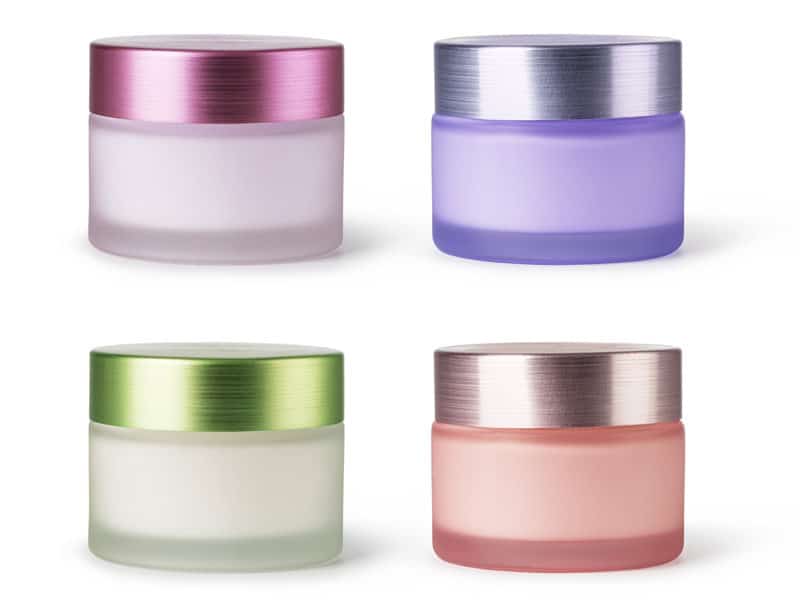
Packaging Can Be Much More Than an Esthetic Choice
In an industry where branding plays an important role, packaging can easily be viewed primarily as a marketing element. Yet it can also perform an important functional role.
Depending on the product, different formats may be used:
- Pump
- Tube
- Jar
- Opaque container
These choices may help limit exposure to air, light or contamination depending on the formulation.
For professional buyers, the product therefore extends beyond its INCI list. Packaging should be evaluated for its use in the treatment room or at retail as much as for its appearance.

Marketing Claims Should Become Professional Questions
“Revolutionary,” “next generation,” “high performance” and “clinically inspired” are all part of the cosmetics vocabulary. These expressions are not necessarily problematic, but they are not sufficient for making a professional decision.
A claim should instead generate questions:
- What is actually new?
- What is the proposed mechanism?
- Does the data relate to the ingredient or the final formulation?
- What information supports the claim?
- Which protocols was the product designed for?
The objective is not to reject innovation, but to distinguish genuine innovation from an excellent marketing argument.
Get the latest news!
Subscribe to the ESI SHOW Newsletter

New Trends Deserve to Be Studied, Not Simply Adopted
Professional cosmetics continue to evolve with fermented ingredients, advanced delivery systems and various influences from Korean cosmetics. Other areas such as the microbiome, neurocosmetics and skin longevity are also generating interest.
For professionals, these trends should primarily create new questions:
- What do they actually offer?
- How do they work?
- Are they intended for professional treatments, retail or both?
- Which concerns are they designed to address?
- How do they integrate with existing protocols?
The best professional approach is neither to immediately adopt a new trend nor automatically reject it. It is to evaluate it.
Transform Scientific Knowledge Into Accessible Recommendations
Understanding formulation science does not mean turning every consultation into a cosmetic chemistry lesson. The professional’s role is to translate that knowledge into simple and useful explanations.
Clients should be able to understand:
- Why this formulation
- Why this product
- Why this frequency
- Why this combination
- Why temporarily simplifying a routine may be appropriate
The recommendation then becomes more than, “I recommend this serum.” The client understands why the product belongs in their protocol.

Make Professional Treatments and Home Care Work Together
For a spa or clinic, formulation selection concerns both the products used during treatments and those recommended between appointments.
Professional treatments represent a limited portion of the client’s time, while home care is part of the daily routine. The two should therefore work together.
A product line becomes particularly valuable when it creates continuity between:
- Consultation
- Professional treatment
- Progressive protocol
- Home care
This consistency makes professional recommendations easier and can support retail sales without turning the consultation into a sales pitch.
Selecting a Professional Product Line Requires Broader Analysis
For an owner or buyer, formulation science represents only part of the decision. A brand must also work within the business.
Important considerations include:
- Formulation philosophy
- Variety of protocols
- Professional formats
- Retail products
- Cost per treatment
- Margins
- Training
- Support
- Minimum orders
- Distribution
- Commercial terms
An excellent formulation can be difficult to integrate if the brand does not provide the tools the team needs. Conversely, an excellent commercial relationship cannot compensate for a product line that fails to meet professional needs.
The right choice lies at the intersection of product quality and commercial relevance.
Brand Training Has Strategic Value
When an establishment introduces a product line, the team needs to understand much more than product names. Professionals should know why formulations were created, how to integrate them into protocols, which concerns they address and how to explain them to clients.
Quality training therefore directly increases the value of a product line and reduces dependence on sales scripts.
A professional who truly understands a product does not need to recite marketing material; they can explain the recommendation using their own knowledge.
Compare Several Brands Using the Same Professional Criteria
As with equipment, a comparative approach can lead to better decisions. When a spa or clinic is considering several product lines, the same criteria should be applied to each:
- Formulation philosophy
- Active ingredients and protocols
- Professional and retail products
- Cost per treatment
- Margins
- Training
- Support
- Commercial terms
This method moves the decision beyond impressions such as “I like the texture” or “the packaging is beautiful.” Those factors may matter, but they should be part of a much more complete professional decision.
ESI Show: Meet the People Who Develop and Distribute Formulations
This is precisely where a B2B event such as ESI Show becomes particularly relevant. The show allows professionals to meet directly with the brands, manufacturers, distributors and educators behind the products.
These interactions provide an opportunity to ask practical questions:
- Why this active ingredient?
- Why this concentration?
- What is the logic behind the product line?
- Which professional protocols are recommended?
- Which products are intended for the treatment room?
- Which products support home care?
- What training accompanies the brand?
For owners, managers and buyers, obtaining these answers and comparing several brands within the same environment represents a genuine professional advantage.
Cosmetic Ingredients & Formulation Science: Understand Before You Choose
Understanding cosmetic ingredients and formulation science does not mean memorizing hundreds of ingredient names. It means recognizing that a product functions as a system in which the ingredient, concentration, pH, stability, delivery system, packaging and protocol can all play a role.
This understanding allows professionals to ask suppliers better questions, evaluate claims with greater perspective and build more coherent protocols.
This is exactly the perspective ESI Show should provide. Professionals are not simply attending to discover “the next cream,” “the newest active ingredient” or “the trending brand.” They are there to meet the industry and understand what truly differentiates the products they may use, recommend, purchase and integrate into their businesses.
In a market filled with innovation and promises, the most valuable skill is ultimately not knowing the ingredient of the moment. It is knowing which questions to ask before giving it a place in your professional practice.

Get the latest news!
Subscribe to the ESI SHOW Newsletter